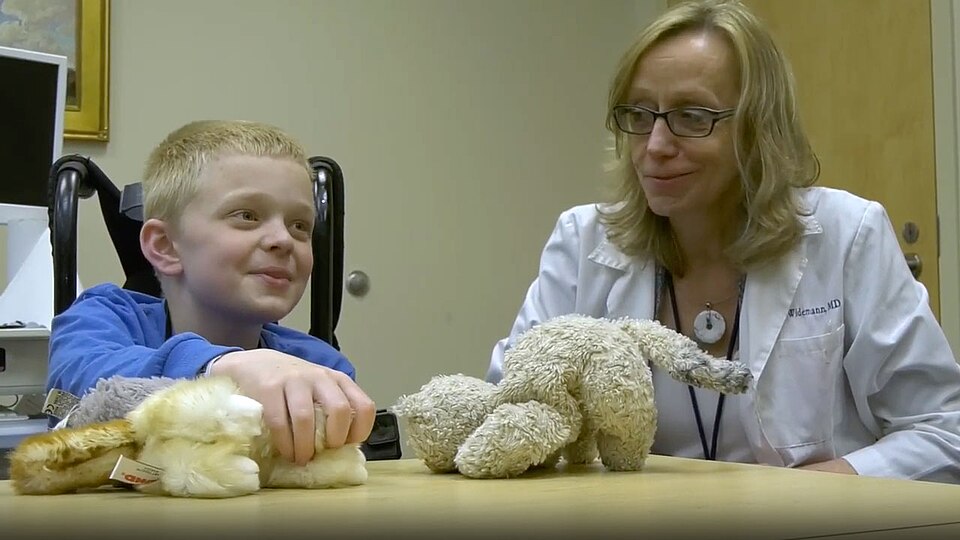
Photo: NIH Image Gallery from Bethesda, Maryland, USA | Public domain | Wikimedia Commons
Gene Therapy Restores Hearing In Majority Of Patients With Rare Deafness
Researchers in a recent U.S. clinical trial say gene therapy restored hearing for most patients with a rare inherited deafness. The therapy delivers a working copy of the faulty gene to cells in the inner ear, aiming to correct the genetic cause and restore function. NPR reports the treatment produced lasting improvements for most patients several months after dosing, suggesting durable benefit rather than a short-lived effect.
Clinicians said the findings could change care for people with this specific genetic deafness. Researchers warned larger, longer trials are still needed to confirm safety and long-term benefit and to seek regulatory approval.
This story is compiled from 1 source using AI-assisted curation and analysis. Original reporting is attributed below. Learn about our methodology.
📌 Key Facts
- Study involved 42 children and adults with autosomal recessive deafness 9 (DFNB9) caused by OTOF gene mutations
- Gene therapy used an adenovirus vector carrying a split healthy OTOF gene infused into the inner ear
- Roughly 90 percent of treated patients showed restored or significantly improved hearing, with effects persisting over the study period
- Results were published April 22, 2026, in the journal Nature and represent the largest and longest gene therapy trial for hearing loss to date
- A separate Regeneron gene therapy for inherited deafness could soon become the first such treatment approved by the FDA
📰 Source Timeline (1)
Follow how coverage of this story developed over time
April 22, 2026