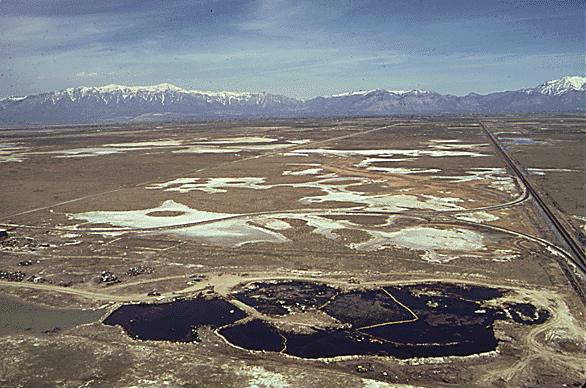
Tijuana River Sewage Crisis Exposes U.S. Communities to Toxic Gas
Residents of San Diego County's South Bay and other border communities say they have been sickened for months by noxious odors and airborne toxins coming from the Tijuana River watershed, where raw sewage and industrial waste cross the U.S.-Mexico border. Local reporting and public-health complaints in recent weeks have documented thousands experiencing nausea, delirium, headaches and other acute symptoms after nightly episodes of foul air; federal officials say they are working with Mexico under a U.S.-Mexico agreement to curb the flows and restore beaches and public health protections. The crisis is tied to chronic cross-border wastewater discharges from the Tijuana metropolitan area and its industrial zones, and officials have signaled federal engagement even as residents press for faster action.
Several contextual data points help explain the scale and persistence of the problem. Tijuana's population grew roughly 23.2% between 2010 and 2020 to more than 2.1 million, driven in large part by migration toward jobs in maquiladoras — about 69% of which are U.S.-owned — concentrating industrial activity and wastewater loads near the border. Public voices on social media and local officials underscore the magnitude of the contamination: one county supervisor described more than 100 billion gallons of raw sewage and toxic waste moving across the border in five years, and an atmospheric chemist pointed to nights when measured toxic-gas levels exceeded state air-quality standards on the majority of nights, leaving residents feeling trapped in their homes. Independent health experts caution that chronic exposure to gases commonly associated with sewage, such as hydrogen sulfide, can produce lasting neurological symptoms — insomnia, persistent headaches, cognitive and motor impairments — heightening concern about long-term community impacts.
Reporting on the issue has shifted from episodic stories about beach closures and visible sewage flows to more sustained coverage of airborne toxicity and public-health consequences, driven largely by local outlets and recent investigative pieces that elevated residents' symptoms and scientific monitoring. Earlier coverage emphasized the aesthetic and recreational harms of cross-border discharges; newer reporting, amplified by community testimony and air-quality data and picked up by outlets like ABC News and local broadcasters, has broadened the narrative to focus on chronic health risks and federal responsibilities, prompting more visible involvement from the EPA and a binational response aimed at infrastructure fixes and pollution control. Public debate remains heated — with elected officials, scientists and critics alike using social platforms to press for faster remediation and clearer accountability.
📊 Relevant Data
Tijuana's population increased by 23.2% from 2010 to 2020, growing to 2,157,853 inhabitants.
Tijuana: Economy, employment, equity, quality of life — DataMexico
Approximately 69% of Mexico's maquiladoras are U.S.-owned, contributing to industrial waste in areas like Tijuana.
July 2025 Article – Job Losses in Juarez while Mexico's Manufacturing Sector Keeps Growing — NMIBA
Tijuana's population growth from 2010 to 2025 is largely driven by migration from other parts of Mexico and Central America, attracted by job opportunities in maquiladoras and proximity to the U.S. border.
Tijuana is crumbling under the weight of its population growth — KPBS
Long-term exposure to hydrogen sulfide is associated with neurological effects including insomnia, persistent headaches, ataxia, cognitive deficits, hearing impairment, and dysarthria.
Neurological Sequelae of Acute Hydrogen Sulfide Poisoning — MDPI
📌 Key Facts
- Since 2018, more than 100 billion gallons of raw sewage and industrial waste have flowed from Mexico into the Tijuana River, with 10 billion gallons crossing the U.S. border just since January 2026.
- A 2024 San Diego County/CDC survey of roughly 40,000 households near the river found 71% could smell sewage inside their homes and 69% reported someone became sick from exposure.
- EPA Administrator Lee Zeldin said in February 2026 it will take about two years to resolve the crisis under a new U.S.–Mexico agreement to expand wastewater treatment, while California and Texas consider updating outdated hydrogen sulfide exposure standards.
📰 Source Timeline (1)
Follow how coverage of this story developed over time