Federal Judge Orders California to Pay $4.5 Million in Fees After Supreme Court Rebuke of School Gender‑Secrecy Law
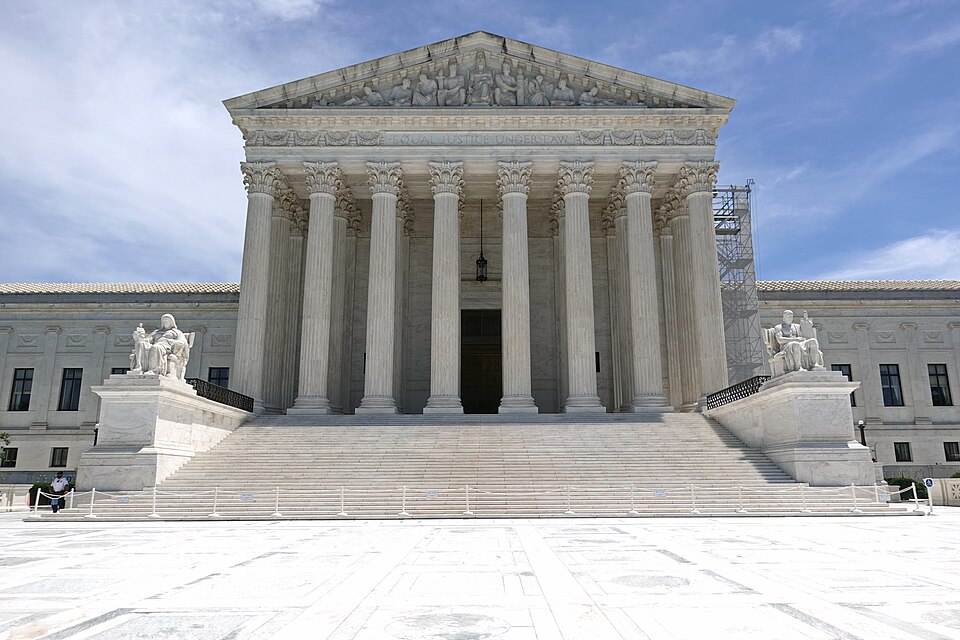
A federal judge has ordered California to pay $4.5 million in taxpayer‑funded attorneys’ fees and related penalties to parents and teachers who successfully challenged the state’s SAFETY Act, which barred schools from requiring staff to notify parents when a student sought to change gender identity or pronouns. U.S. District Judge Roger Benitez, criticizing what he called the state’s "litigation intransigence," said the policy infringed families’ free‑exercise rights and parents’ constitutional authority over their children’s health and well‑being, calling the subject "among the most important areas of family life in America’s history and tradition." The order follows a March 6–3 Supreme Court emergency ruling that said California’s policy was likely unconstitutional and blocked its enforcement, a decision already prompting threats of similar lawsuits against school districts in other states. The plaintiffs, represented by conservative legal group Thomas More Society, argue the law effectively imposed a gag rule on teachers by forbidding them from informing parents about a child’s requested gender transition at school. The fee award signals how costly these constitutional fights can become for states and school systems, and will likely embolden further challenges to comparable gender‑secrecy policies around the country as advocacy groups advertise the Supreme Court’s intervention and this latest financial hit to California.
📌 Key Facts
- Judge Roger Benitez ordered California to pay $4.5 million in legal fees and added penalties to the parents and teachers who sued over the SAFETY Act.
- The SAFETY Act barred schools from requiring staff to notify parents if a student sought to change gender identity or pronouns, a policy the Supreme Court found likely unconstitutional in a 6–3 emergency order in March.
- Benitez held that the policy violated families’ First Amendment free‑exercise rights and parents’ federal constitutional rights to guide their children’s health and well‑being, criticizing the state’s "unusual" volume of motions as "litigation intransigence."
📊 Relevant Data
Approximately 3.3% of U.S. youth aged 13 to 17 identify as transgender, totaling about 724,000 individuals.
How Many Adults and Youth Identify as Transgender in the United States? — Williams Institute, UCLA School of Law
Transgender identification rates among U.S. college students declined from 6.8% in 2022-2023 to 3.6% in 2025.
Transgender 'trend' sharply declining on American college campuses, new analysis finds — Fox News
Among U.S. college-aged youth, 8.1% of females identify as non-cisgender compared to 4.7% of males.
Transgender identification in college youth is at an all-time high but the trend is not in free-fall — Society for Evidence-Based Gender Medicine
Approximately 78.8% of parents and caregivers of transgender and non-binary children fully support and affirm their child's gender identity.
2024 Report on the Experiences of Parents of Transgender and Non-Binary Children — Human Rights Campaign Foundation
Family rejection is associated with higher rates of suicide consideration (70%) among transgender individuals compared to those with family support.
US Trans Survey — US Trans Survey
📰 Source Timeline (1)
Follow how coverage of this story developed over time