EU Energy Chief Warns Iran War Fuel Price Shock Will Persist
At an April 1 news conference in Nicosia after a meeting of EU energy ministers, European Union Energy Commissioner Dan Jørgensen warned that Europe’s oil and gas prices will not return to pre–Iran war levels “in a foreseeable future,” even if a peace deal were reached immediately. He said there are no acute supply shortages yet, but diesel and jet fuel markets are tight and global gas constraints are driving higher electricity prices, with European gas up about 70% and oil up about 60%, adding roughly €14 billion to the bloc’s fossil‑fuel import bill. Jørgensen outlined a coming “toolbox” of EU measures, including ways to decouple gas prices from power prices, potential cuts to electricity taxes, and even a one‑time windfall tax on energy firms if profits spike, alongside encouragement for members to follow the IEA’s 10‑point demand‑reduction plan. He insisted the EU will maintain its ban on Russian gas, vowing not to “repeat the mistakes of the past” by again letting Moscow weaponize energy, and said the bloc is turning instead to suppliers such as the United States, Azerbaijan, Algeria and Canada. For U.S. readers, the message is that even if shooting stops in the Gulf, Europe expects a long, messy adjustment that keeps global fuel markets — and therefore U.S. prices and inflation pressures — elevated for some time.
📌 Key Facts
- EU Energy Commissioner Dan Jørgensen said April 1 that oil and gas prices in Europe will not “go back to normal in a foreseeable future” even if the Iran war ended immediately.
- He reported gas prices in Europe are up about 70% and oil about 60%, raising the bloc’s fossil‑fuel import bill by €14 billion since the war began.
- The European Commission is preparing a policy “toolbox” that may include decoupling gas from power prices, electricity tax cuts, and a potential windfall tax on energy companies’ excess profits.
- Jørgensen reaffirmed the EU’s ban on Russian gas and said reliance on Russian supplies has fallen from 45% before the Ukraine war to 10%, with plans to reach zero as imports from the U.S. and other suppliers grow.
📊 Relevant Data
Women-headed households in the EU are more likely to experience energy poverty than men-headed households in most countries, with the highest energy poverty gender gaps in Estonia (8.5%), Latvia (4.93%), Germany (4.08%), and Czechia (3.85%), based on 2019 data using the Low Income High Costs metric.
A widespread Energy Poverty Gender Gap in the European Union demands targeted policy action — Communications Sustainability (Nature)
Rural households in the EU face higher levels of energy poverty than urban households, with rural areas experiencing elevated vulnerability in countries like Greece (9.91% gender gap), Estonia (8.61%), Czechia (7.96%), Bulgaria (6.54%), and Latvia (6.26%), based on 2019 data.
A widespread Energy Poverty Gender Gap in the European Union demands targeted policy action — Communications Sustainability (Nature)
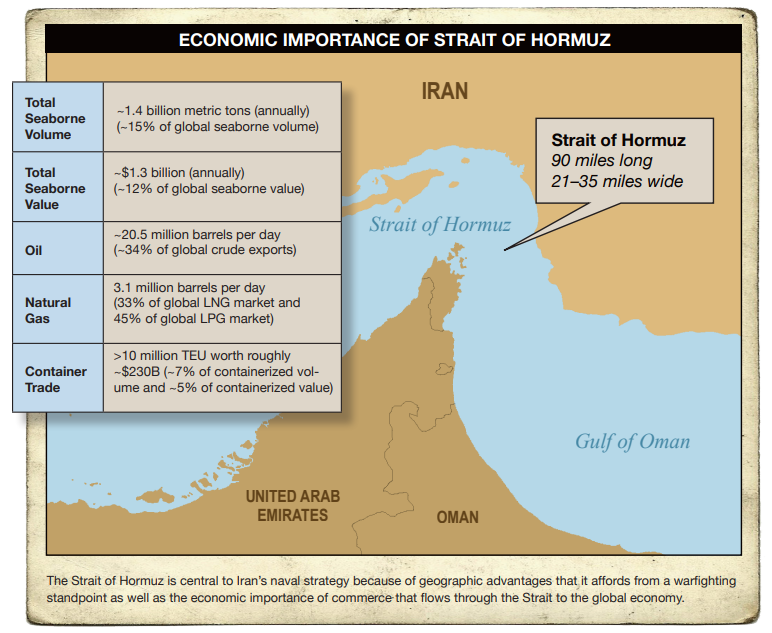
In 2025, the EU imported only 6% of its crude oil from the Middle East (around 25.2 million tons), indicating that the Iran war's impact on European energy prices is primarily indirect through global market volatility and supply route disruptions rather than direct import losses.
Gimme fuel, hold the fire: How Europe can safeguard its energy security against Gulf shocks — European Council on Foreign Relations
In 2022, over 41 million Europeans (about 9.3% of the EU population) were unable to keep their homes adequately warm, with energy poverty rates highest in Bulgaria (23.7%), Lithuania (22.5%), and Cyprus (19.2%).
Energy poverty in the EU — European Parliament
📰 Source Timeline (1)
Follow how coverage of this story developed over time