Trump Tells NRCC Dinner Iran War Jolt Is Temporary and Predicts Bigger GOP Majorities Despite Economic and Political Warning Signs
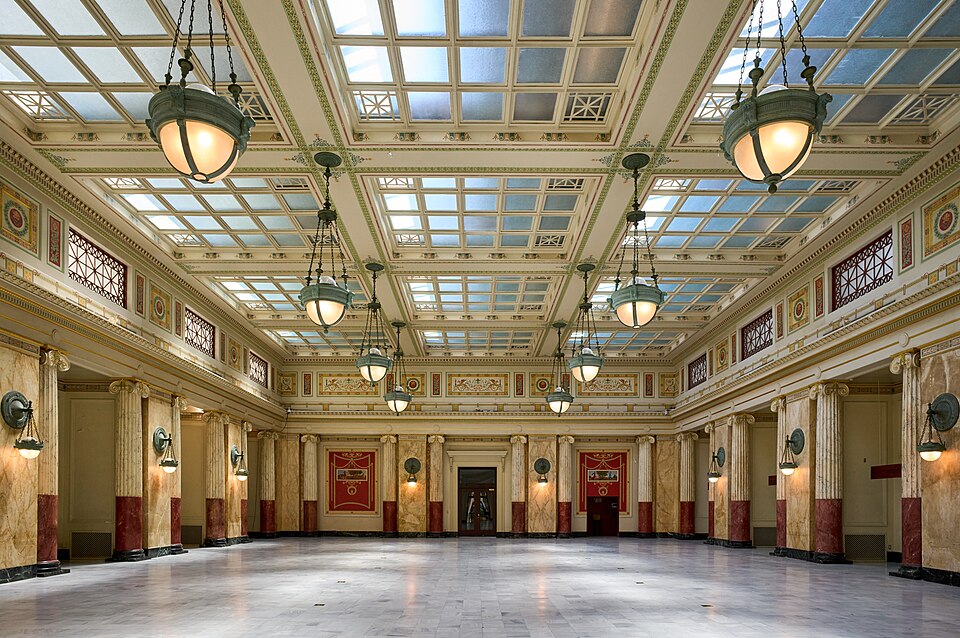
At a National Republican Congressional Committee dinner at Washington’s Union Station, former President Trump predicted “bigger majorities” for Republicans in both the House and Senate after the midterms, characterizing the U.S. campaign against Iran as a decisive win and dismissing economic disruptions — from near-$4 gas to airport chaos — as a temporary “blip” while touting stock-market gains and pre‑war low gas prices. But fresh polling and political signals — including voter concern that the Iran campaign has gone too far, rising affordability worries, the Democratic flip of Florida’s 87th District, and criticism from lawmakers like Sen. Lisa Murkowski about poor communication on Iran and troop plans — suggest liabilities for Republicans.
📌 Key Facts
- At the NRCC dinner at Washington’s Union Station, Trump predicted 'bigger majorities' for Republicans in both the House and Senate after the November midterms, despite historical patterns of midterm losses for incumbent presidents.
- He framed the Iran war as the U.S. 'winning so big' and downplayed its economic fallout — including nearly $4‑per‑gallon gas and airport chaos — calling those impacts a temporary 'blip' while touting record‑high stock markets and pre‑war low gas prices.
- The coverage cites fresh polling showing most Americans believe the Iran campaign has gone too far and are increasingly worried about affordability, presenting political liabilities for Republicans.
- The piece links the NRCC dinner and GOP messaging to the recent Democratic flip of Florida’s House District 87 (which includes Mar‑a‑Lago), calling that loss a 'warning sign' that has Republicans privately worried.
- Sen. Lisa Murkowski said Alaskans are asking about the path forward in Iran and potential troop deployments, and she criticized how poorly the administration and Congress have communicated about the war.
📊 Relevant Data
Voter fraud in U.S. elections is exceedingly rare, with studies showing that the incidence rate is less than 0.0001% of votes cast, based on comprehensive reviews of elections from 2000 to 2020.
The Myth of Voter Fraud — Brennan Center for Justice
Non-citizen voting in U.S. elections is extremely rare; for example, a 2026 audit in Georgia found only 20 non-citizens registered to vote out of 8.2 million registered voters, representing about 0.00024%.
House of Representatives - Congressional Record — Congress.gov
Racial disparities exist in voter ID possession; a 2024 survey found that 21% of Black voters and 16% of Hispanic voters lack a current driver's license compared to 8% of White voters, in a context where the U.S. population is approximately 59% White, 19% Hispanic, and 13% Black.
New CDCE Survey Shows Millions Lack ID as Voter ID Laws Spread to More States — Center for Democracy and Civic Engagement, University of Maryland
Voter ID laws have been associated with reduced turnout among minority groups; a 2024 study found that strict ID requirements decreased Latino turnout by 5-10% in affected states, with population breakdowns showing Latinos comprise about 19% of the U.S. population.
Growing Racial Disparities in Voter Turnout, 2008–2022 — Brennan Center for Justice
Transgender identification among U.S. youth aged 13-17 is approximately 1.4%, with rates having increased from 0.5% in 2014 to 1.4% in 2025, though recent data from 2023-2025 shows a decline in identification among young adults.
How Many Adults and Youth Identify as Transgender in the United States? — Williams Institute, UCLA School of Law
Participation of transgender athletes in women's sports is minimal; as of 2024, fewer than 10 transgender college student-athletes compete among 510,000 total athletes in the NCAA.
📰 Source Timeline (3)
Follow how coverage of this story developed over time
- Trump used his NRCC dinner speech at Washington’s Union Station to explicitly predict 'bigger majorities' for Republicans in both the House and Senate after the November midterms, despite historical patterns of midterm losses for incumbent presidents.
- He framed the Iran war as the U.S. 'winning so big' and characterized its economic impact — including nearly $4-per-gallon gas and airport chaos — as a temporary 'blip,' continuing to tout record-high stock markets and pre‑war low gas prices.
- The article ties the event to fresh polling showing most Americans believe the Iran campaign has gone too far and are increasingly worried about affordability, describing these as political liabilities for Republicans.
- Sen. Lisa Murkowski is quoted saying Alaskans are asking about the path forward in Iran and potential troop deployments, and she criticizes how poorly the war is being communicated by the administration and Congress.
- The piece explicitly links the NRCC dinner to the recent Democratic flip of Florida House District 87—Trump’s home district that includes Mar‑a‑Lago—as a 'warning sign' that has Republicans privately worried.