Iran War’s Strait of Hormuz Shutdown Threatens Global Fertilizer, Sulfur Exports and Food Supplies
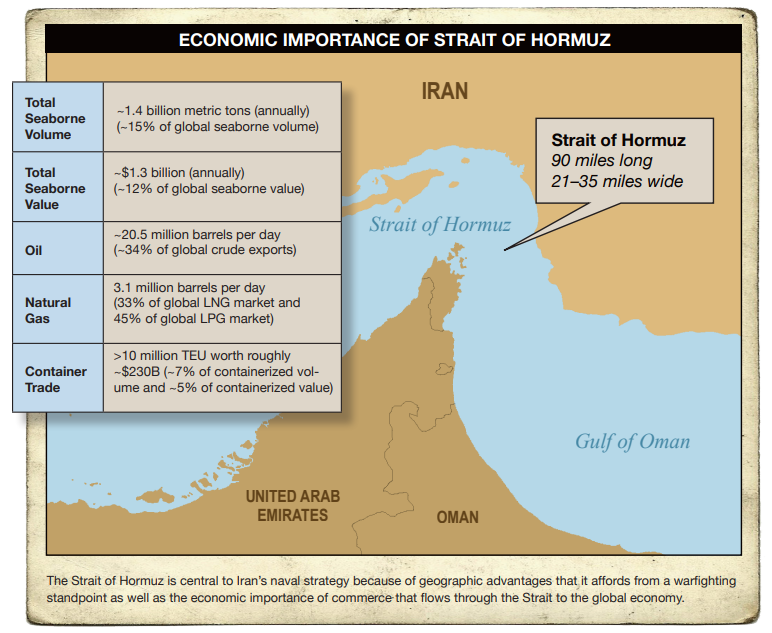
Closure of the Strait of Hormuz amid the Iran war has choked not only oil and gas but vital petrochemical, fertilizer, sulfur and helium trade — the IEA links damage to roughly 40 energy assets across nine countries to broader supply‑chain disruptions, making Hormuz an industrial‑commodity choke point. The disruption has pushed urea prices about 30% higher, left U.S. farmers facing an estimated 2 million‑ton urea shortfall this spring (about half of global urea and half of global sulfur exports normally transit the strait) and threatens nitrogen and phosphate fertilizer production and food supplies, even as some commercial ships (notably a Chinese vessel that paid for safe passage) still attempt transit while Beijing stays officially neutral to preserve trade ties.
📌 Key Facts
- The IEA warns that trade in petrochemicals, fertilizers, sulfur and helium across the region is “interrupted,” calling those flows vital arteries of the global economy and saying the Strait of Hormuz shutdown is not just an oil story but a broader industrial‑commodity choke point.
- The IEA linked damage to about 40 energy assets in nine countries to wider risks for petrochemical and fertilizer supply chains, amplifying threats to global food and industrial inputs.
- Roughly 50% of the world’s urea exports and about half of global sulfur exports normally transit the Strait of Hormuz, creating a dual shock to nitrogen (urea) and phosphate fertilizer production if flows are disrupted.
- U.S. row‑crop farmers saw urea prices spike close to 30% after the Hormuz shutdown, and The Fertilizer Institute estimates U.S. farmers will be short about 2,000,000 tons of urea this spring because expected cargoes will not arrive.
- Analysts call the disruption — occurring at the start of spring planting — the “nightmare scenario” for fertilizer markets, raising immediate risks to crop planting and yields.
- Even though the U.S. produces much phosphate fertilizer domestically, experts warn a global sulfur shortfall can choke domestic phosphate production and worsen fertilizer scarcity.
- Commercial shipping is still attempting transits under new risks and costs: the Chinese container ship Newvoyager paid Iran for safe passage through the mined strait, illustrating that vessels may pay for escorted transit rather than fully avoid the route.
- Beijing has largely stayed neutral, balancing strong commercial ties with Arab Gulf states while remaining an economic lifeline and major oil customer for Iran; experts say China is increasingly disillusioned with Iran’s capabilities and is unwilling to provide military rescue despite a 25‑year partnership agreement.
📊 Relevant Data
Black farmers represent approximately 1.4% of U.S. farm producers as of 2022, despite Black individuals comprising about 13.6% of the U.S. population, while White farmers represent 95.4% of producers and White individuals about 59.3% of the population.
Understanding Farm Diversity: Insights From the Agricultural Resource Management Survey — USDA Economic Research Service
Hispanic or Latino farm producers make up about 3.4% of U.S. farm operators as of 2022, compared to Hispanics comprising 18.9% of the U.S. population.
Understanding Farm Diversity: Insights From the Agricultural Resource Management Survey — USDA Economic Research Service
The 2026 Iran War began after U.S.-encouraged protests in Iran in December 2025 escalated, leading to coordinated U.S. and Israeli military operations against Iran on February 28, 2026, with stated goals including degrading Iran's nuclear program and ballistic missiles.
2026 Iran War | Explained, United States, Israel, Strait of Hormuz — Britannica
Fertilizer price increases due to global disruptions disproportionately affect small and minority-owned farms in the U.S., which often have lower access to credit and operate on thinner margins, with Black-owned farms experiencing a 90% land loss over the 20th century.
Into Thin Heir: America's “Legal” Purloining of Black Farmland — Ludwig Institute for Shared Economic Prosperity
The war in Iran has led to internal displacement of over 3.2 million Iranians since its start in 2026, with migration flows to neighboring countries like Turkey, driven by economic collapse and conflict escalation following the U.S. withdrawal from the JCPOA in 2018.
The Iran Strikes, Explained: How We Got Here and What It Means — American Jewish Committee
📊 Analysis & Commentary (1)
"A WSJ opinion piece argues that beyond oil-price effects, the Iran war—via a closed Strait of Hormuz and strikes on Ras Laffan—has disrupted fertilizer and LNG supplies, creating a largely underreported threat to global food security whose effects may now be unavoidable."
📰 Source Timeline (4)
Follow how coverage of this story developed over time
- U.S. row-crop farmers saw urea prices spike close to 30% after Iran’s shutdown of the Strait of Hormuz, just as spring planting begins.
- The Fertilizer Institute now estimates U.S. farmers will be short about 2,000,000 tons of urea this spring because cargoes expected next month will not arrive.
- About 50% of the world’s urea exports and about half of the world’s sulfur exports normally transit the Strait of Hormuz, creating a dual shock to nitrogen and phosphate fertilizer production.
- Analyst Josh Linville of StoneX says the current disruption hitting exactly at spring planting is essentially the 'nightmare scenario' for fertilizer markets.
- Economist Veronica Nigh of The Fertilizer Institute notes that even though the U.S. produces a lot of phosphate fertilizer domestically, a sulfur shortfall can still choke that production.
- The Chinese container ship Newvoyager’s successful transit after paying Iran for safe passage provides the first concrete example of commercial shipping navigating the mined strait rather than avoiding it entirely.
- The article details how Beijing’s neutrality is driven by its desire to preserve strong commercial ties with Arab Gulf states while continuing to act as Iran’s economic lifeline and main oil customer.
- Experts cited in the article say Beijing has become ‘disillusioned’ with Iran’s capabilities and strategic judgment and is unwilling to ‘come to their rescue’ militarily despite the 25‑year partnership agreement.
- Birol highlighted that trade in petrochemicals, fertilizers, sulfur and helium across the region is 'all interrupted,' calling them 'vital arteries of the global economy.'
- He explicitly connected the damage to about 40 energy assets in nine countries to wider risks for petrochemical and fertilizer supply chains, not just crude and gas.
- The IEA’s assessment reinforces that the Hormuz closure is not only an oil story but a broader industrial‑commodity choke point, amplifying earlier warnings about fertilizer and food impacts.