
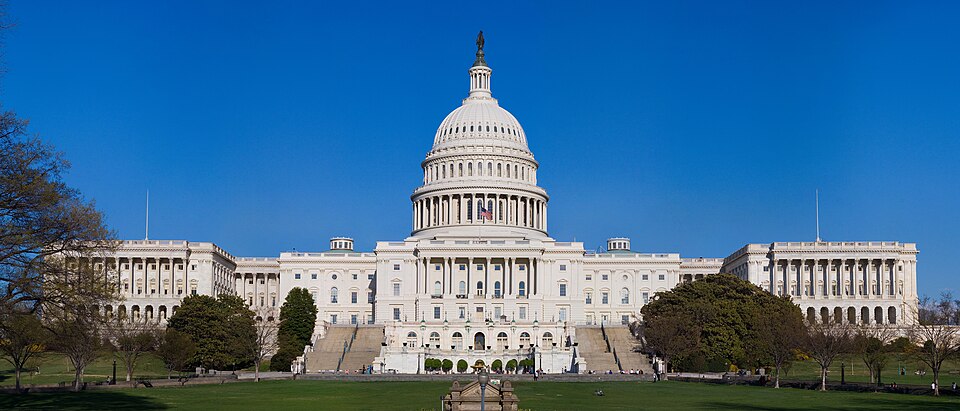
Democrats Secure Largest U.S. House Majority Since 1992
Democrats locked in a sweeping U.S. House victory on Sunday, clinching at least 258 seats in the next Congress and securing their largest majority in the chamber since 1992, a result that will give the party broad control over the legislative agenda in Washington.[1]
The gains mean Democrats have so far flipped 44 House districts in the 2026 midterm elections, outpacing the 40-seat surge they enjoyed in 2018, while Republicans are guaranteed at least 173 seats and four races in Minnesota, Tennessee and Louisiana remain unresolved.[1] Alongside the House wave, Democrats have also secured a 56-seat majority in the Senate and party leaders are assembling a 100-day agenda centered on health care legislation and expanded oversight of the Trump administration.[1]
Democrats last held a comparable edge after the 1992 elections, when Bill Clinton's victory at the top of the ticket helped deliver a commanding House majority that shaped policy fights over taxes, trade and health care in the early 1990s. This year's gains follow a cycle in which Democrats campaigned heavily on protecting and expanding the Affordable Care Act, lowering prescription drug costs and restoring guardrails on presidential power, while Republicans aligned closely with former President Donald Trump on issues from immigration crackdowns to cultural battles in schools. The new majority reflects successful Democratic defenses in swing suburbs as well as breakthroughs in districts that had remained reliably Republican through the Trump era, suggesting a broader realignment that party strategists argue gives them a mandate on health and economic issues.
Earlier coverage of the 2026 midterms focused less on the possibility of a historic House margin and more on whether Democrats could simply hold their existing majority in the face of economic worries and voter fatigue. As results rolled in on election night, projections initially highlighted individual upsets and close races, but the scale of the shift in competitive districts only became clear in the days that followed, as late-counted mail ballots and provisional votes in several states continued to break toward Democratic candidates. With Sunday's calls pushing the party past its 1992 benchmark, the narrative has moved from a debate over whether 2026 was a "wave" election to near-universal agreement that Democrats have secured a dominant governing position on Capitol Hill.
Democratic leaders are now under pressure to translate their numerical advantage into visible legislative wins, starting with their promised health care push, while also managing internal divisions between progressives and moderates over how aggressively to challenge the Trump administration. The enlarged majority could give Speaker-aligned leaders more cushion to pass bills that some frontline lawmakers view as risky, but it also increases expectations among activists for investigations, voting-rights protections and action on climate and abortion access. Republicans, left with their smallest House conference in a generation, face their own reckoning over strategy and leadership as they prepare to function as a diminished minority in both chambers for at least the next two years.
Show source details & analysis (1 source)
📌 Key Facts
- On Sunday, November 22, 2026, Democrats reached at least 258 U.S. House seats, surpassing their 1992 total.
- The party has so far gained 44 House seats in the 2026 elections, compared with 40 pickups in the 2018 midterms.
- Republicans are assured at least 173 House seats, with four races still unresolved in Minnesota, Tennessee and Louisiana.
- Democrats also won a 56-seat majority in the Senate and are drafting a 100-day agenda on health care and oversight of the Trump administration.
📰 Source Timeline (1)
Follow how coverage of this story developed over time