
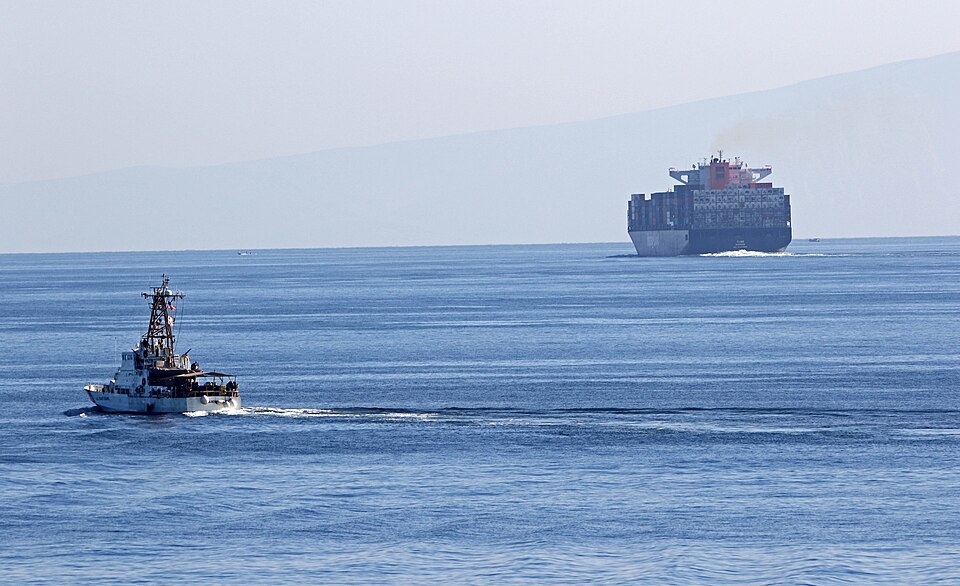
2026 CO2 Emissions Dip Slightly As Iran War Disrupts Oil Supply
Global carbon dioxide emissions from fossil fuels are projected to fall slightly in 2026 as war-related disruptions to Iran's oil exports push up prices and dampen demand, according to new estimates released Tuesday by the Global Carbon Project at the UN climate talks in Antalya, Turkey.[1]
The research team estimates fossil-fuel CO2 output at 42.2 billion tons this year, a 0.4% decline from 2025, driven largely by a nearly 2% drop in oil-related emissions alongside a 0.3% fall in natural gas and a 0.6% rise in coal.[1] The findings, published in Earth System Science Data Discussions and Nature Climate Change, were timed to inform negotiations at COP31, where countries are under pressure to strengthen their climate pledges.[1]
The estimates link this year's emissions dip directly to the oil supply shock triggered by the ongoing war in and around Iran, which has disrupted exports in the Gulf and driven up crude prices worldwide.[1] Higher prices have curbed fuel use in transport and industry, reducing oil demand enough to outweigh continued growth in coal use in parts of Asia and in gas-fired power in some rich countries.[1]
The Global Carbon Project notes that this is only the third time in the 21st century that global fossil CO2 emissions have fallen year over year, following drops in 2009 during the global financial crisis and in 2020 amid the COVID-19 pandemic lockdowns.[1] Both earlier declines were followed by strong rebounds as economies recovered and energy use snapped back, a pattern scientists warn could repeat if governments treat the Iran-driven downturn as a temporary blip rather than a chance to accelerate structural cuts in fossil fuel use.[1]
Researchers presenting the data in Antalya stressed that a 0.4% decline barely dents the long-term upward trend and leaves the world far off course from the steep, sustained reductions needed to meet the Paris Agreement's temperature goals.[1] They argue the 2026 numbers highlight how deeply emissions remain tied to fossil fuel supply shocks and conflict, rather than to deliberate policy shifts toward cleaner energy, and urged negotiators at COP31 to lock in measures that would make future declines the result of planned transitions instead of war and economic crisis.[1]
Show source details & analysis (1 source)
📌 Key Facts
- The Global Carbon Project estimates 2026 fossil-fuel CO2 emissions at 42.2 billion tons, a 0.4% decrease from 2025.
- Oil-related CO2 emissions are projected to fall nearly 2% in 2026, with natural gas down 0.3% and coal up 0.6%, changes researchers tie to Iran war oil supply disruptions.
- This is only the third global emissions drop of the 21st century, after declines in 2009 and 2020 that were followed by rebounds as economies recovered.
- The findings were released November 10, 2026 and published in Earth System Science Data Discussions and Nature Climate Change alongside presentations at COP31 in Antalya, Turkey.
📰 Source Timeline (1)
Follow how coverage of this story developed over time