
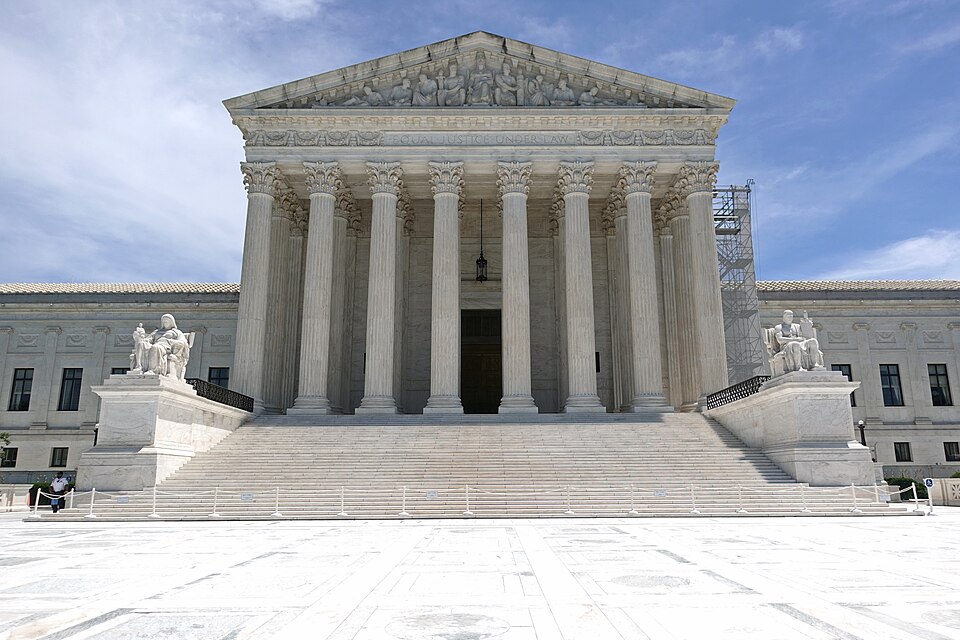
Supreme Court To Review Federal Ban On Home Liquor Distilling
The Supreme Court on Monday, October 19, 2026, agreed to hear Department of Justice v. McNutt, a challenge to a federal ban on distilling liquor at home that carries prison and property-forfeiture penalties.[1]
A federal district court and the U.S. Court of Appeals for the Fifth Circuit largely struck down the law, finding it is not plainly adapted to Congress' taxing power.[1] The Justice Department, through Solicitor General D. John Sauer, asked the Supreme Court to take the case, saying home stills facilitate tax evasion.[1] Justices are expected to hear oral arguments in 2027 and to issue a decision by late June or early July.[1]
An 1868 law makes it a crime to distill spirits at home for personal use, punishable by up to five years in prison and forfeiture of the dwelling and property.[1] The high court's ruling could decide how far Congress may rely on its taxing power to regulate private, in-home production of alcohol.
Show source details & analysis (1 source)
📌 Key Facts
- On Monday, October 19, 2026, the Supreme Court agreed to hear Department of Justice v. McNutt.
- The challenged 1868 law makes it a crime to distill spirits at home for personal use, with penalties including up to five years in prison and forfeiture of the dwelling and property.
- The district court and 5th Circuit held that the home-distilling ban is not plainly adapted to Congress' taxing power and largely struck it down.
- The Justice Department, via Solicitor General D. John Sauer, petitioned for review, arguing home-based stills facilitate tax evasion.
- Oral arguments are expected in 2027, with a decision anticipated by late June or early July.
📰 Source Timeline (1)
Follow how coverage of this story developed over time