
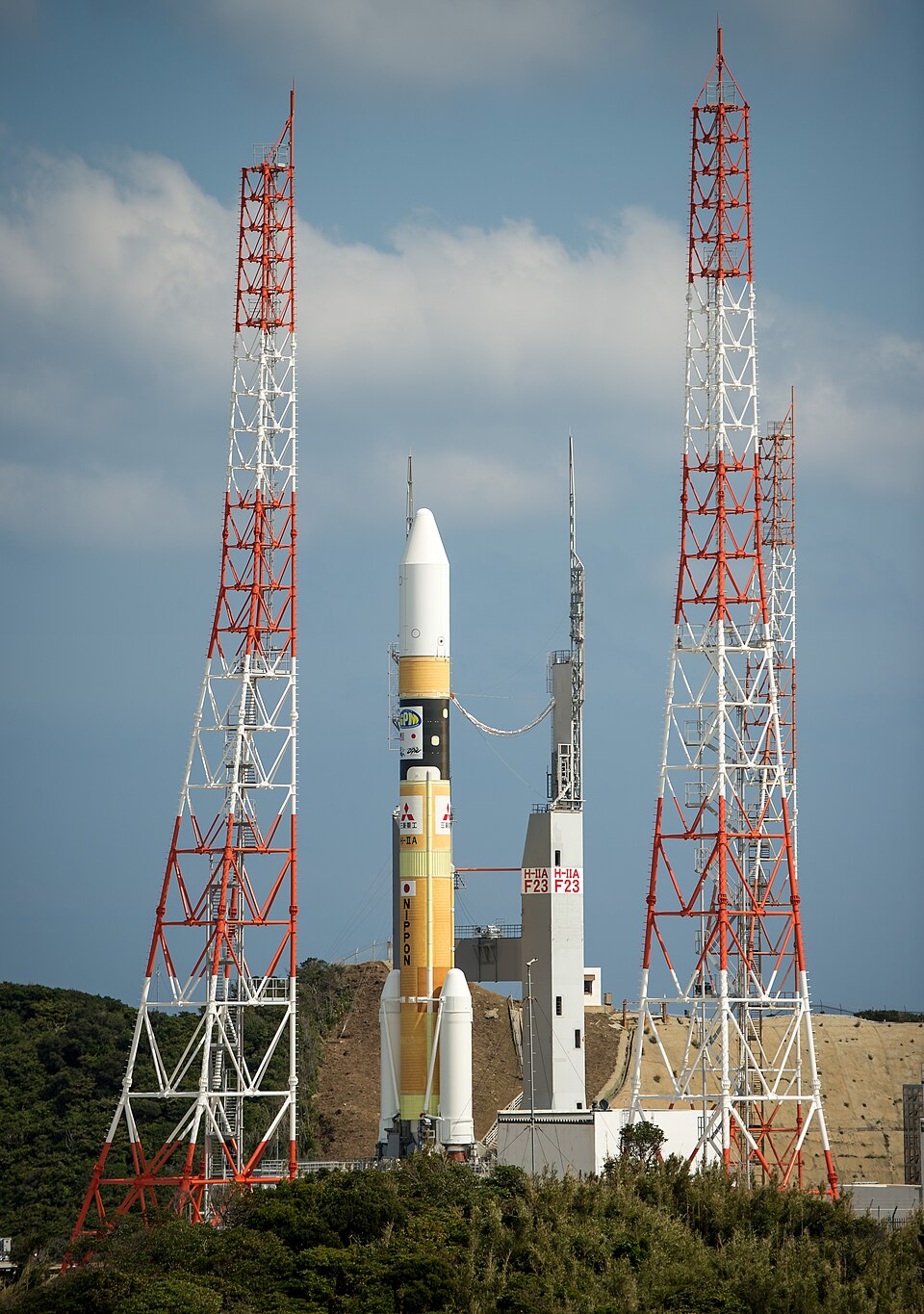
Japan Launches MMX Mars Moon Mission Carrying NASA Instruments And Sample Rover
Japan launched the Martian Moons Exploration (MMX) mission to Phobos on Monday, Oct. 19, 2026, from Tanegashima Space Center, carrying NASA instruments and a sample rover.[1]
The H3 rocket used four solid strap-on boosters and two hydrogen-fueled first-stage engines, followed by two upper-stage burns, releasing the 9,900-pound MMX probe one hour 11 minutes after liftoff.[1] The mission cost is about $350 million, and NASA has two instruments aboard MMX.[1] NASA scientist Thomas Statler said returned samples could help determine whether Phobos and Deimos formed from a giant impact or are captured asteroids.[1]
MMX is scheduled to brake into Mars orbit in September 2027, then spend about three years in a Phobos-matching orbit before deploying a 55-pound Franco-German rover onto Phobos in early 2029.[1]
The 55-pound rover will land ballistically in Phobos's ultra-low gravity, right itself after bouncing, and then survey the surface with cameras, a laser mineralogy instrument, and a soil-temperature sensor.[1] MMX aims to characterize Phobos's chemical and mineral composition, assess whether the moon could serve as a staging base for future astronaut missions, and return samples to help resolve its origin.[1]
Show source details & analysis (2 sources)
📌 Key Facts
- On Monday, October 19, 2026, at 2:41 p.m. Central, Japan’s H3 rocket launched the $350 million Martian Moons Exploration (MMX) mission from Tanegashima Space Center.
- The H3 used four solid strap-on boosters and two hydrogen-fueled first-stage engines, followed by two upper-stage burns, releasing the 9,900‑pound MMX probe 1 hour 11 minutes after liftoff.
- NASA has two instruments aboard MMX, and NASA scientist Thomas Statler said returned samples could distinguish between giant-impact and captured-asteroid origins for Phobos and Deimos.
- MMX is scheduled to brake into Mars orbit in September 2027, then spend about three years in a Phobos‑matching orbit before deploying a 55‑pound Franco‑German rover onto Phobos in early 2029.
- The 55‑pound Franco‑German rover will land ballistically in Phobos’s ultra‑low gravity (about 1/1,000th of Earth’s), right itself after bouncing, and then use cameras, a laser mineralogy instrument and a soil‑temperature sensor to survey the surface.
- A primary goal of the Martian Moons Exploration (MMX) mission is to characterize Phobos’s chemical and mineral composition and environment, assess whether Phobos could serve as a staging base for future astronaut missions, and support sample return to help resolve the moon’s origin.
📰 Source Timeline (2)
Follow how coverage of this story developed over time
- On Monday, October 19, 2026, at 3:41 p.m. EDT (4:41 a.m. Japan time), Japan’s H3 rocket launched the $350 million Martian Moons Exploration (MMX) mission from Tanegashima Space Center.
- The H3 used four solid strap-on boosters and two hydrogen-fueled first-stage engines, followed by two burns of the upper stage, before releasing the 9,900‑pound MMX probe 1 hour 11 minutes after liftoff.
- NASA has two instruments on MMX, and NASA scientist Thomas Statler is quoted explaining how returned samples could distinguish between giant-impact and captured-asteroid origins for Phobos and Deimos.
- MMX is scheduled to brake into Mars orbit in September 2027, fly in a Phobos‑matching orbit for about three years, and deploy a 55‑pound Franco‑German rover onto Phobos’s surface in early 2029.
- The rover will land ballistically in Phobos’s ultra‑low gravity (about 1/1,000th of Earth’s), right itself after bouncing, and then use cameras, a laser mineralogy instrument, and a soil‑temperature sensor to survey the surface.
- The mission will study whether Phobos could serve as a staging base for future astronaut missions while also characterizing the moon’s chemical and mineral composition and environment.