
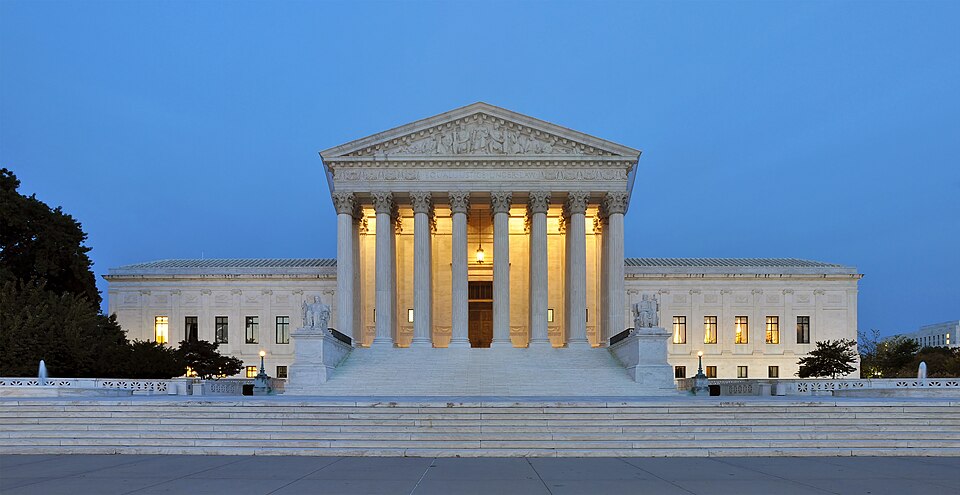
Supreme Court To Hear Boulder Climate Damages Case Against Exxon, Suncor
The U.S. Supreme Court will hear arguments Monday, October 5, 2026, over whether Boulder can pursue state-law climate damages claims against Exxon Mobil and Suncor Energy.[1]
Exxon and Suncor asked the high court to end the lawsuit, saying the U.S. Constitution and the federal Clean Air Act preempt such state claims.[1] The court must also decide whether it has the jurisdiction to review the Colorado Supreme Court's ruling.[1] Justice Samuel Alito has recused himself, leaving eight justices to decide the case.[1]
Boulder city and county sued Exxon Mobil and Suncor Energy in Colorado state court in 2018, alleging state-law climate damages.[1] The Colorado Supreme Court allowed the case to proceed, prompting the companies to appeal to the U.S. Supreme Court.[1]
If the justices rule for the companies, it could bar local governments from using state tort or nuisance claims to seek damages for climate harms.
Show source details & analysis (1 source)
📌 Key Facts
- Boulder city and county sued Exxon Mobil and Suncor Energy in Colorado state court in 2018, alleging state-law climate damages.
- The Colorado Supreme Court allowed the case to proceed; Exxon and Suncor appealed, arguing the Constitution and Clean Air Act preempt such claims.
- The U.S. Supreme Court will hear arguments on Monday, October 5, 2026, on both preemption and whether it has jurisdiction to review the state ruling.
- Justice Samuel Alito has recused himself from the case, leaving eight justices to decide the matter.
📰 Source Timeline (1)
Follow how coverage of this story developed over time