
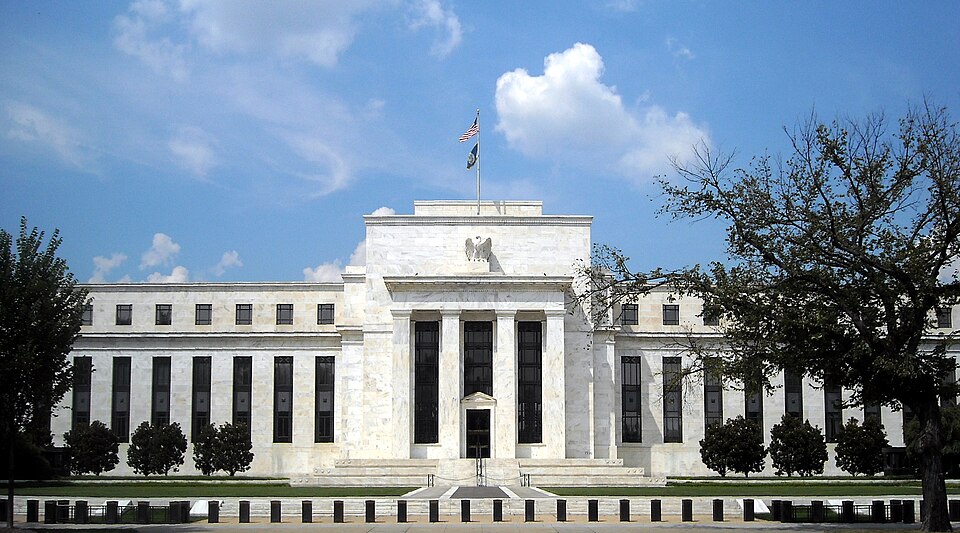
Fed Inspector General Finds No Crimes In $2.5 Billion HQ Renovation
On Wednesday, September 30, 2026, the Federal Reserve inspector general released a 120-page report that found broad mismanagement of the Fed's $2.5 billion headquarters renovation but no federal crimes.[1]
The IG said the Board of Governors failed to secure a comprehensive cost estimate or set a maximum overall cost.[1] Construction costs for two Fed buildings rose from $921 million in February 2020 to $2.018 billion by December 2024, and total renovation costs are now about $2.4 billion.[1] A 2023 design change from mostly open workspaces to mostly closed offices was a major cause of delays and postponed negotiations for a guaranteed maximum-price contract.[1]
In February 2020, the project's estimate for two buildings stood at $921 million.[1] The project was originally expected to finish by mid-2024 but is now forecast to continue until December 2027.[1] The IG also said high-profile features critics flagged as lavish — water fountains, private elevators and marble facades — were not significant drivers of the cost overruns.[1]
The report explicitly said it found no reasonable grounds to believe a federal criminal law violation occurred that would require referral to the U.S. attorney general, effectively closing the door on earlier perjury allegations tied to Jerome Powell's testimony.[1] CBS News also summarized the watchdog's central finding as that no laws were broken while the Board's planning and contract management fell short.[2]
Show source details & analysis (2 sources)
📌 Key Facts
- On Wednesday, September 30, 2026, the Federal Reserve’s inspector general released a 120-page report concluding the Board of Governors broadly mismanaged its headquarters renovation but finding no federal criminal violations.
- The Board of Governors failed to secure a comprehensive cost estimate or establish a maximum overall cost at the outset, contributing to construction costs for two Fed buildings rising from $921 million in February 2020 to $2.018 billion by December 2024, with total renovation costs now about $2.4 billion.
- The 2023 design change from mostly open workspaces to mostly closed offices is cited as a significant driver of delays and a factor that postponed negotiating a guaranteed maximum-price contract.
- The inspector general said it found [no reasonable grounds] (https://www.pbs.org/newshour/politics/no-criminal-wrongdoing-in-federal-reserve-building-renovation-watchdog-says-but-it-was-mismanaged) to believe a federal criminal law violation occurred that would require referral to the U.S. attorney general, effectively closing the door on the Trump administration’s earlier perjury allegations tied to Jerome Powell’s testimony.
- The report states that some high-profile features criticized as luxurious—such as water fountains, private elevators and marble facades—were not significant drivers of the project’s excessive costs.
- Construction is now expected to continue until December 2027, well beyond the original mid-2024 completion target, underscoring substantial schedule slippage.
📰 Source Timeline (2)
Follow how coverage of this story developed over time
- On Wednesday, September 30, 2026, the Federal Reserve’s inspector general released a 120-page report concluding the Board of Governors broadly mismanaged its headquarters renovation but finding no federal criminal violations.
- The IG report says the Board failed to secure a comprehensive cost estimate or establish a maximum overall cost at the outset, contributing to construction costs for two Fed buildings more than doubling from $921 million in February 2020 to $2.018 billion by December 2024, with total renovation costs now at about $2.4 billion.
- The report cites a 2023 design change from mostly open workspaces to mostly closed offices as a significant driver of delays and a factor that postponed negotiating a guaranteed maximum-price contract.
- The IG explicitly states that at no point did it find reasonable grounds to believe a federal criminal law violation occurred that would require referral to the U.S. attorney general, effectively closing the door on the Trump administration’s earlier perjury allegations tied to Jerome Powell’s testimony.
- The article notes that some high-profile features criticized as luxurious, such as water fountains, private elevators and marble facades, were not significant drivers of the project’s excessive costs.
- The report indicates construction is now expected to continue until December 2027, beyond the original mid-2024 completion target, underscoring substantial schedule slippage.