
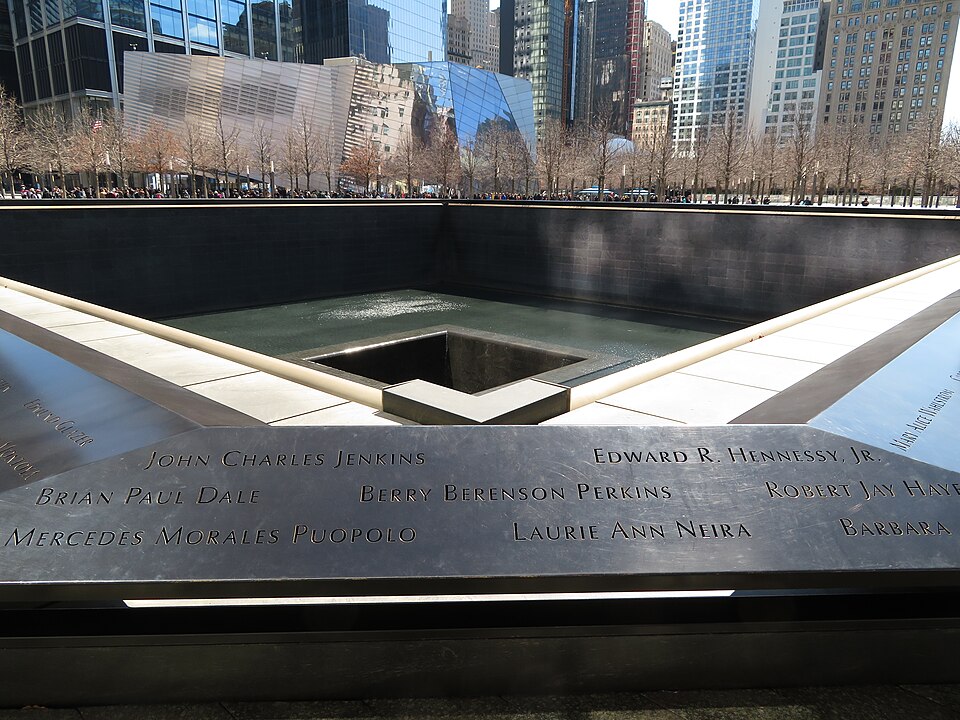
Nation Marks 25th 9/11 Anniversary With New Silence For Illness Victims
On Friday, September 11, 2026, the nation marked the 25th anniversary of the Sept. 11 attacks with memorial ceremonies in New York City, at the Pentagon and in Shanksville, Pennsylvania.[1]
All living former presidents, along with Vice President JD Vance, attended the Ground Zero ceremony that began at 8:40 a.m. Eastern.[1] President Donald Trump and first lady Melania Trump led a separate commemoration at the Pentagon.[1]
The World Trade Center ceremony kept the six traditional moments of silence that mark the two plane impacts, the Pentagon strike, the Flight 93 crash and the collapses of the South and North Towers.[1] This year organizers added a seventh moment of silence after the name reading ends around 12:30-1:00 p.m. Eastern to honor people who later died from 9/11-related illnesses.[1]
Families and survivors said the extra pause aimed to recognize a toll that unfolded long after the attacks and to broaden the day's remembrance.
The mainstream summary emphasizes the ceremonial aspects of the 25th anniversary of the 9/11 attacks, focusing on attendance by political figures and the addition of a seventh moment of silence for illness victims. However, it does not delve into the broader implications of this commemoration. Damon Linker argues that such memorials often sanitize the deeper political and social issues surrounding 9/11, particularly the long-term health impacts on survivors, which have been historically marginalized. He suggests that these rituals can depoliticize the necessary accountability for the ongoing consequences of the attacks, a point that is notably absent from the mainstream narrative.
Additionally, while the summary reports on the new moment of silence, it overlooks critical perspectives on how this change reflects a broader evolution in public memory and the need for a more nuanced understanding of 9/11's legacy. Daniel Edward Rosen highlights that the serene ceremonies starkly contrast with the grim realities faced by many survivors, emphasizing that true commemoration should extend beyond mere symbolic gestures to address ongoing obligations to those affected. This critical context underscores the limitations of the mainstream account, which primarily focuses on the event's surface-level observances without addressing the deeper societal implications of the 9/11 legacy.
Show source details & analysis (1 source)
📌 Key Facts
- On Friday, September 11, 2026, the U.S. is holding 25th anniversary 9/11 memorial ceremonies in New York City, at the Pentagon and in Shanksville, Pennsylvania.
- All living former presidents, along with Vice President JD Vance, are attending the Ground Zero ceremony beginning at 8:40 a.m. Eastern.
- President Donald Trump and first lady Melania Trump are leading a separate commemoration at the Pentagon.
- The World Trade Center ceremony now includes a seventh moment of silence, after the name reading ends around 12:30–1:00 p.m. Eastern, to honor those who died from 9/11-related illnesses.
- The six traditional moments of silence mark the two plane impacts on the Twin Towers, the Pentagon strike, the Flight 93 crash near Shanksville and the collapses of the South and North Towers.
📊 Analysis & Commentary (7)
"This Persuasion commentary uses the 25th‑anniversary coverage (including the new silence for illness victims and release of air‑quality records) to argue that 9/11 permanently reshaped U.S. politics — expanding the security state, enabling policies and narratives that avoided accountability, and sidelining long‑term victims — and that symbolic remembrance must be matched by political reckoning."
"This City Journal commentary reflects on the 25th‑anniversary 9/11 ceremonies — contrasting the outwardly calm memorial atmosphere with the 'grimmest' continuing costs of the attacks — and argues that adding a seventh moment of silence for illness victims should prompt substantive, not merely symbolic, attention to those long‑term harms."
"The City Journal piece critiques how the 25th‑anniversary commemorations and schooling treat 9/11 — arguing educators risk sanitizing or depoliticizing the attacks (e.g., by expanding memorial rituals or reframing curricula) and that children should be taught the full historical truth about who carried out 9/11 and why, not just generalized grief or therapy‑style remembrance."
"The City Journal piece is a commentary on the 25th‑anniversary commemorations ('Nation Marks 25th 9/11 Anniversary With New Silence For Illness Victims'), arguing that remembrance should focus on victims — including those who later died of 9/11‑related illness — and warning against politicizing memorial ceremonies as platforms for contemporary policy or war advocacy."
"A City Journal commentary on the 25th Ground Zero ceremonies argues the new seventh moment of silence for illness victims appropriately expands public remembrance while urging memorials remain solemn and non‑politicized, noting how separate high‑profile commemorations underline risks of politicizing national memory."
"The author comments on the 25th anniversary 9/11 ceremonies — especially the new moment of silence for those who later died from 9/11‑related illnesses — arguing that expanding remembrance to include delayed victims made this year’s observances feel particularly poignant and underscores how public memory of the attacks has evolved (confidence limited by corrupted source text)."
"The City Journal piece critiques the decision to add a seventh moment of silence at the 25th‑anniversary 9/11 ceremony and, more broadly, attacks the trend of treating long‑term illness and diffuse suffering as the same instantaneous 'trauma,' arguing that this expansion politicizes and dilutes memorials and encourages an unhelpful widening of victimhood."
📰 Source Timeline (1)
Follow how coverage of this story developed over time