
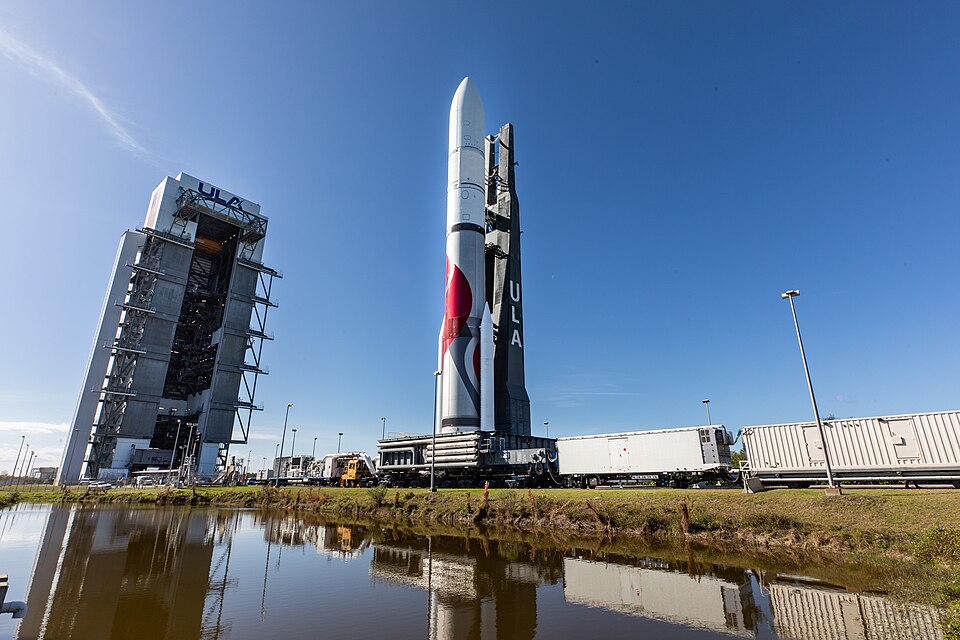
Trump Sets Goal Of 1,000 U.S. Rocket Launches And Returns A Year By 2030
President Donald Trump on Thursday, August 20, 2026, unveiled a White House space policy that aims to support more than 1,000 rocket launches and returns per year by 2030.[1]
The directive tells the Pentagon, NASA and the Transportation Department to find and remove barriers to launching high-priority payloads within 48 hours.[1] It leans heavily on commercial launch providers and frames the push in part as a response to China's rapid military and commercial space buildup.[1]
FAA licensed 148 commercial launches and reentries in fiscal year 2024, a record baseline the White House wants to surpass. Administration officials say the plan would make military satellites and urgent cargo shipments more resilient and speed commercial growth.
The target roughly equals nearly three launches or returns per day, a sharp rise from the FAA's 148 licensed launches and reentries in fiscal 2024.[1]
Show source details & analysis (1 source)
📌 Key Facts
- On Thursday, August 20, 2026, the White House released a space policy ordering expansion of U.S. launch and reentry capacity.
- The policy sets a target of supporting more than 1,000 rocket launches and spacecraft returns per year by 2030, nearly three per day.
- FAA licensed 148 commercial launches and reentries in fiscal year 2024, the current record baseline.
- The directive instructs the Pentagon, NASA and the Transportation Department to find and remove barriers to launching high-priority payloads within 48 hours.
- The policy explicitly leans on commercial launch providers and is justified in part by China’s rapid military and commercial space buildup.
📰 Source Timeline (1)
Follow how coverage of this story developed over time