
Flock Cuts Data Retention, Tightens Controls After Police Misuse Cases
Flock Safety said on Thursday, August 13 that it will shorten how long license-plate camera data is stored and tighten police-access controls after allegations of law-enforcement misuse surfaced this week.[1]
CEO Garrett Langley apologized on-air and personally outlined the new privacy and data-governance plan in a television interview.[2] CBS Boston presented a Massachusetts case of an officer accused of using Flock cameras to track an ex-girlfriend as a concrete example prompting the policy shift.[1]
Over the weekend of August 15-16, protests over Flock cameras in Fargo, North Dakota turned physical, and officials in Hood County, Texas shut down and covered their cameras amid privacy concerns.[3]
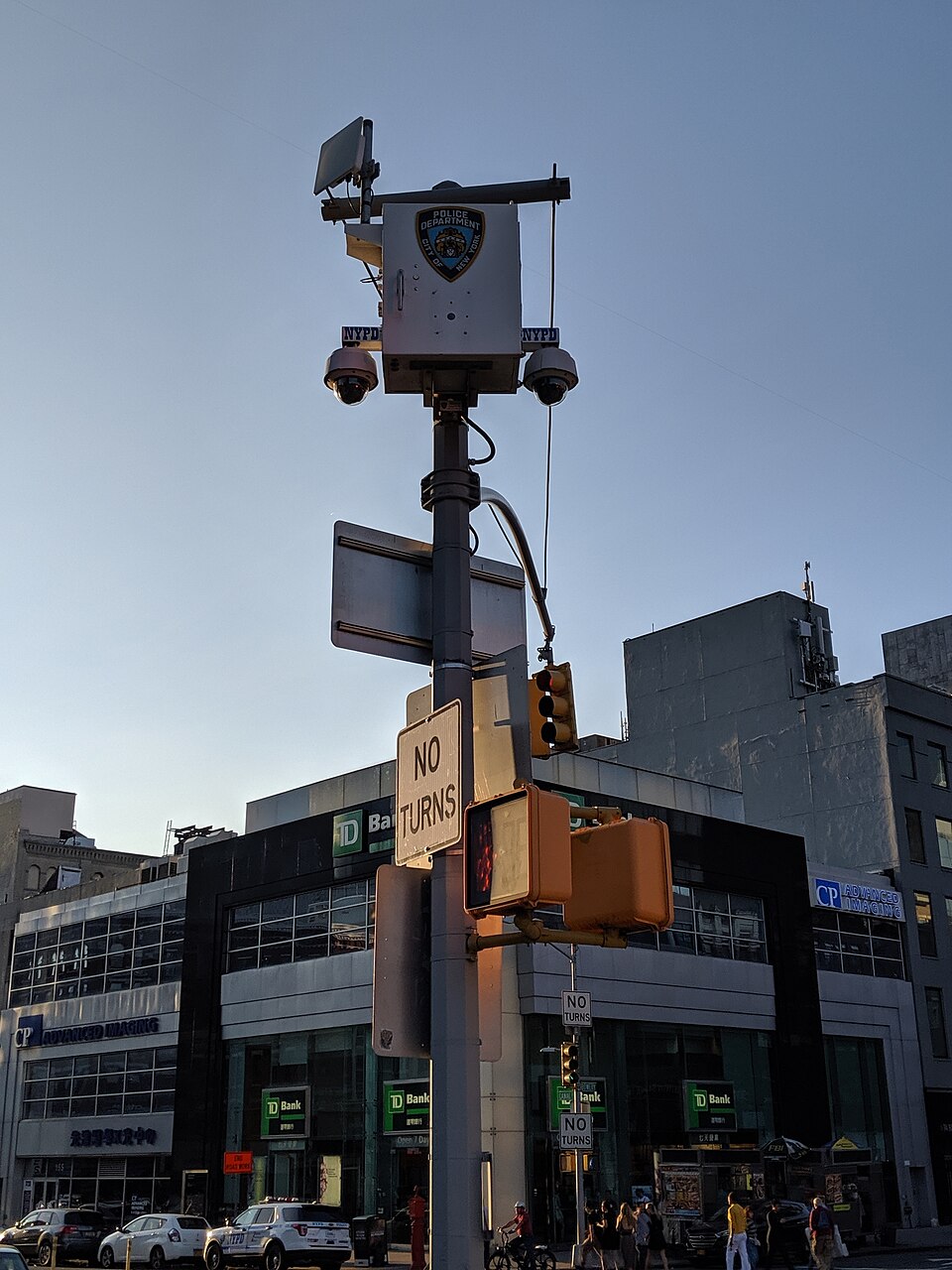
CBS has framed those incidents as part of rising national scrutiny of Flock Safety's expanding license-plate camera network.[3] Langley said the tighter controls and shorter retention periods are meant to restore public trust, though he acknowledged the company must do more to prevent misuse.[1]
Still, local officials and privacy advocates who shut or covered cameras say independent oversight and clearer limits on law-enforcement queries are necessary.[3]
The mainstream summary presents Flock Safety's response to police misuse as a necessary adjustment to restore public trust, but Robert VerBruggen argues that the backlash against police surveillance technologies, including license-plate cameras, is disproportionate. He contends that incidents of misuse are isolated and should not lead to broad prohibitions that undermine public safety. While the summary highlights the protests and calls for independent oversight, VerBruggen emphasizes that targeted reforms and improved governance are more effective solutions than simply shutting down the technology altogether. This perspective suggests that the mainstream narrative may overlook the potential benefits of such technologies, framing the issue primarily as one of privacy violations rather than a nuanced discussion of public safety and accountability.
Additionally, the summary does not address the broader implications of media coverage and local protests, which VerBruggen claims amplify worst-case scenarios and encourage knee-jerk reactions. He argues that clearer retention limits and better access controls are necessary, but insists that the focus should remain on enhancing institutional safeguards rather than removing valuable tools from law enforcement. This critique indicates that the mainstream account may simplify a complex issue by primarily portraying it as a crisis of trust, rather than exploring the potential for balanced reforms that could satisfy both public safety and privacy concerns.[4]
Show source details & analysis (3 sources)
📌 Key Facts
- On Thursday, August 13, 2026, CBS Boston reported that a Massachusetts police officer is accused of using Flock license-plate cameras to track an ex-girlfriend.
- Flock CEO Garrett Langley reiterated his apology on-air and personally outlined the company's new privacy and data-governance plan in response to public backlash.
- The Massachusetts case was presented by CBS as a concrete example of the law-enforcement misuse that prompted Flock's policy changes.
- Over the weekend of August 15–16, 2026, a protest over Flock cameras in Fargo, North Dakota turned physical.
- During that same weekend, officials in Hood County, Texas shut down and covered their Flock cameras amid privacy concerns.
- CBS framed these incidents as part of rising national scrutiny of Flock Safety's expanding license-plate camera network.
📊 Analysis & Commentary (1)
"This City Journal commentary is a defense of police surveillance technology in reaction to reporting about law‑enforcement misuse (notably the Flock Safety controversy); the author criticizes media and activist overreaction, argues the problems are fixable with retention limits, access controls, oversight and better PR, and opposes sweeping shutdowns that would harm public safety."
📰 Source Timeline (3)
Follow how coverage of this story developed over time
- Over the weekend of August 15–16, 2026, a protest over Flock cameras in Fargo, North Dakota turned physical.
- During the same weekend, officials in Hood County, Texas shut down and covered their Flock cameras in response to privacy concerns.
- The CBS segment frames these incidents as part of rising national scrutiny of Flock Safety's expanding license-plate camera network.
- On Thursday, August 13, 2026, CBS Boston reported that a Massachusetts police officer is accused of using Flock license-plate cameras to track an ex-girlfriend.
- Flock CEO Garrett Langley reiterated his apology on-air and personally outlined the company's new privacy and data-governance plan in response to public backlash.
- The CBS segment framed the Massachusetts case as a current, concrete example of the type of law-enforcement misuse that prompted Flock's policy changes.