
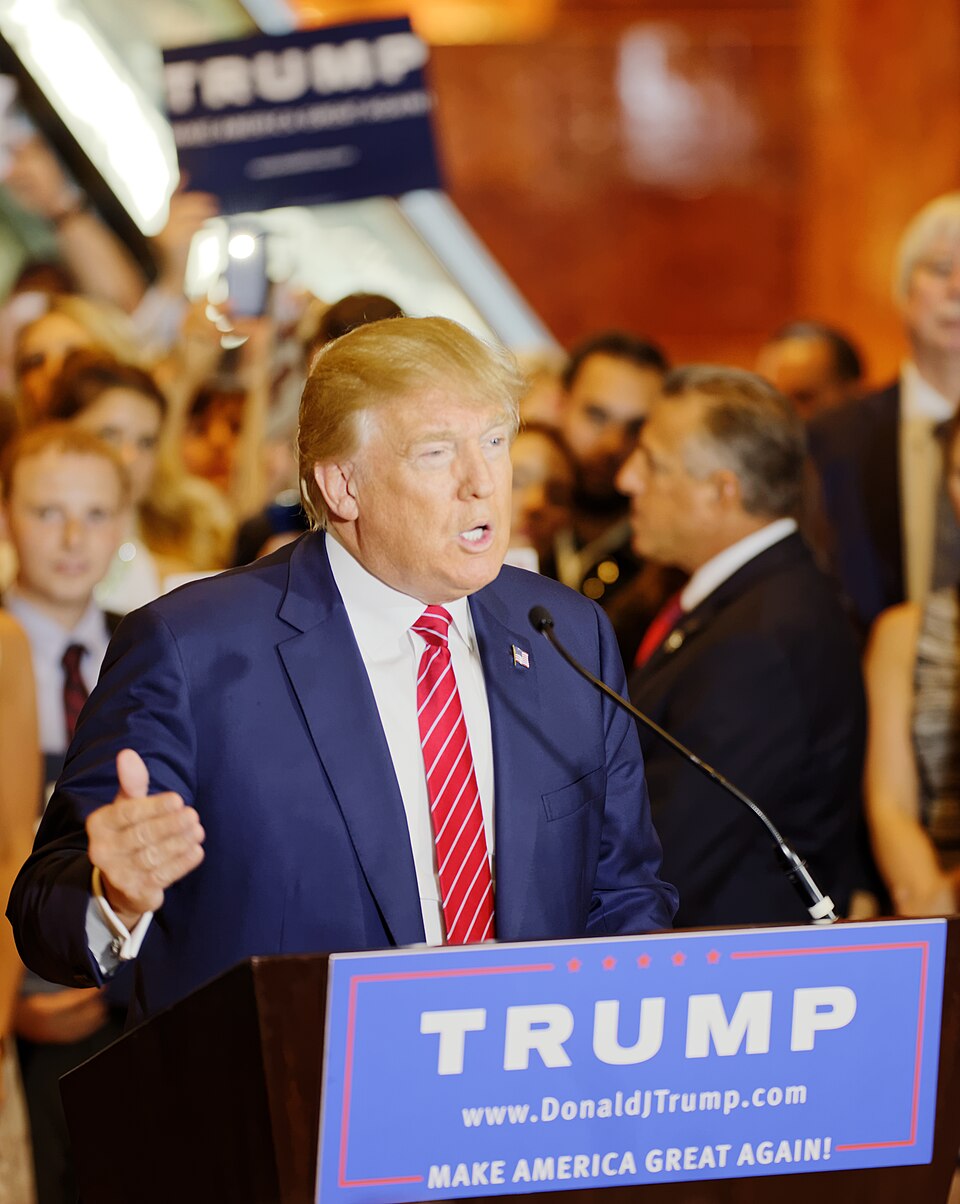
DOJ Opinion Says Executive Privilege Can Cover Trump's Private Advisers
On Monday, August 10, 2026, the Justice Department's Office of Legal Counsel issued a 21-page opinion saying presidential communications with private advisers may be covered by executive privilege.[1]
Assistant Attorney General T. Elliot Gaiser signed and authored the opinion, writing that confidentiality needs for outside advisers are similar to those of government advisers.[1] The department said it will invoke the opinion to argue that private adviser Boris Epshteyn's communications with former President Donald Trump are protected in an American Bar Association subpoena fight.[1] CBS noted Gaiser earlier wrote an April opinion that called the post-Watergate presidential records law unconstitutional, and that a federal judge rejected that view.[1]
The opinion says presidential communications with private advisers can be privileged if they are confidential and tied to official presidential decisionmaking.[1] That standard treats the confidentiality needs of private aides as comparable to formal White House advisers, potentially expanding what the executive branch can shield from subpoenas and other inquiries.[1]
Show source details & analysis (1 source)
📌 Key Facts
- On Monday, August 10, 2026, DOJ’s Office of Legal Counsel released a 21-page opinion on executive privilege and outside advisers.
- The opinion says presidential communications with private advisers may be privileged if they are confidential and tied to official presidential decisionmaking.
- Assistant Attorney General T. Elliot Gaiser signed the opinion and wrote that confidentiality needs are similar for private and government advisers.
- DOJ is invoking the opinion to argue that outside adviser Boris Epshteyn’s communications with Trump are protected in an American Bar Association subpoena fight.
- The article notes Gaiser previously authored an April opinion deeming the post-Watergate presidential records law unconstitutional, which a federal judge rejected.
📰 Source Timeline (1)
Follow how coverage of this story developed over time