
U.S.-Iran War Drives Oil Price Spike And Record Profits At Exxon, Chevron
On Friday, July 31, 2026, Exxon Mobil and Chevron reported record second-quarter profits as the U.S.-Iran war drove oil and fuel prices sharply higher.[1]
Exxon reported second-quarter profit of $14.53 billion on $116.02 billion in revenue, and Chevron reported $12.07 billion in profit on $70.06 billion in revenue.
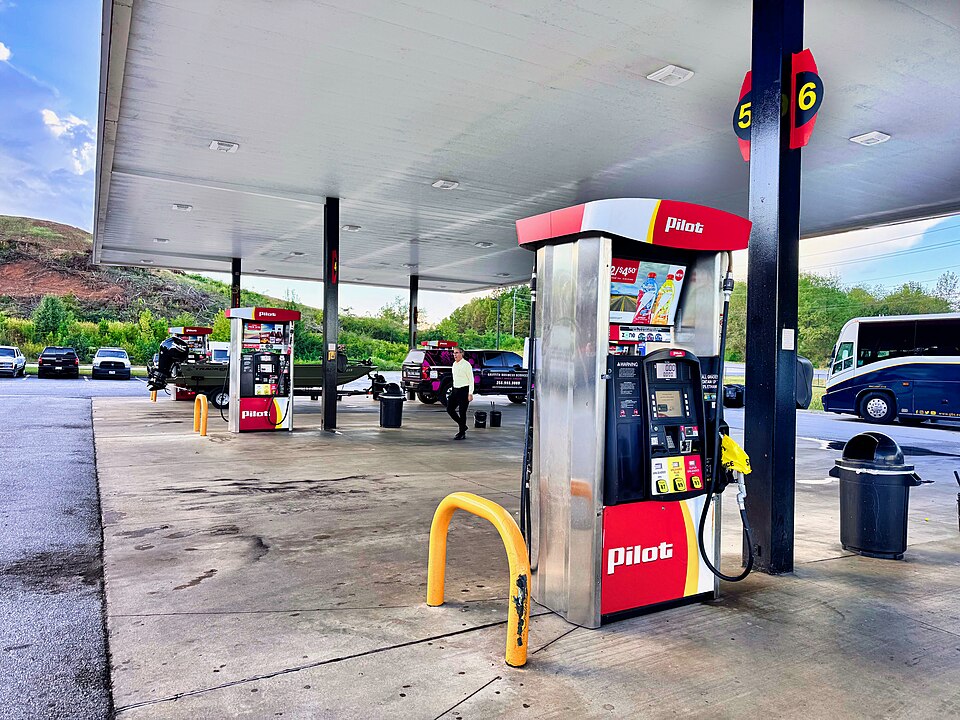
The U.S. average price for regular gasoline reached $4.11 per gallon on July 31, 2026, roughly $1 higher than the same time in 2025.
Between early March and late May 2026, Brent crude rose from about $70 to more than $100 per barrel. It briefly reached $126 as the U.S.-Iran fighting curtailed shipments through the Strait of Hormuz.
In March 2026, Democratic lawmakers led by Sen. Sheldon Whitehouse and Rep. Ro Khanna introduced windfall-profits tax legislation aimed at companies that produced or imported at least 300,000 barrels per day in 2025.
Show source details & analysis (1 source)
📌 Key Facts
- Between early March and late May 2026, Brent crude rose from about $70 to above $100 per barrel and briefly reached $126 as the U.S.-Iran conflict curtailed Strait of Hormuz shipments.
- On Friday, July 31, 2026, Exxon Mobil reported second-quarter 2026 profit of $14.53 billion and revenue of $116.02 billion, while Chevron reported $12.07 billion in profit and $70.06 billion in revenue.
- The U.S. average price of regular gasoline reached $4.11 per gallon on July 31, 2026, roughly $1 higher than the same time in 2025 and up from under $3 before U.S. and Israeli attacks on Iran.
- Democratic lawmakers led by Sen. Sheldon Whitehouse and Rep. Ro Khanna introduced windfall-profits tax legislation in March 2026 targeting companies producing or importing at least 300,000 barrels per day in 2025.
📰 Source Timeline (1)
Follow how coverage of this story developed over time