
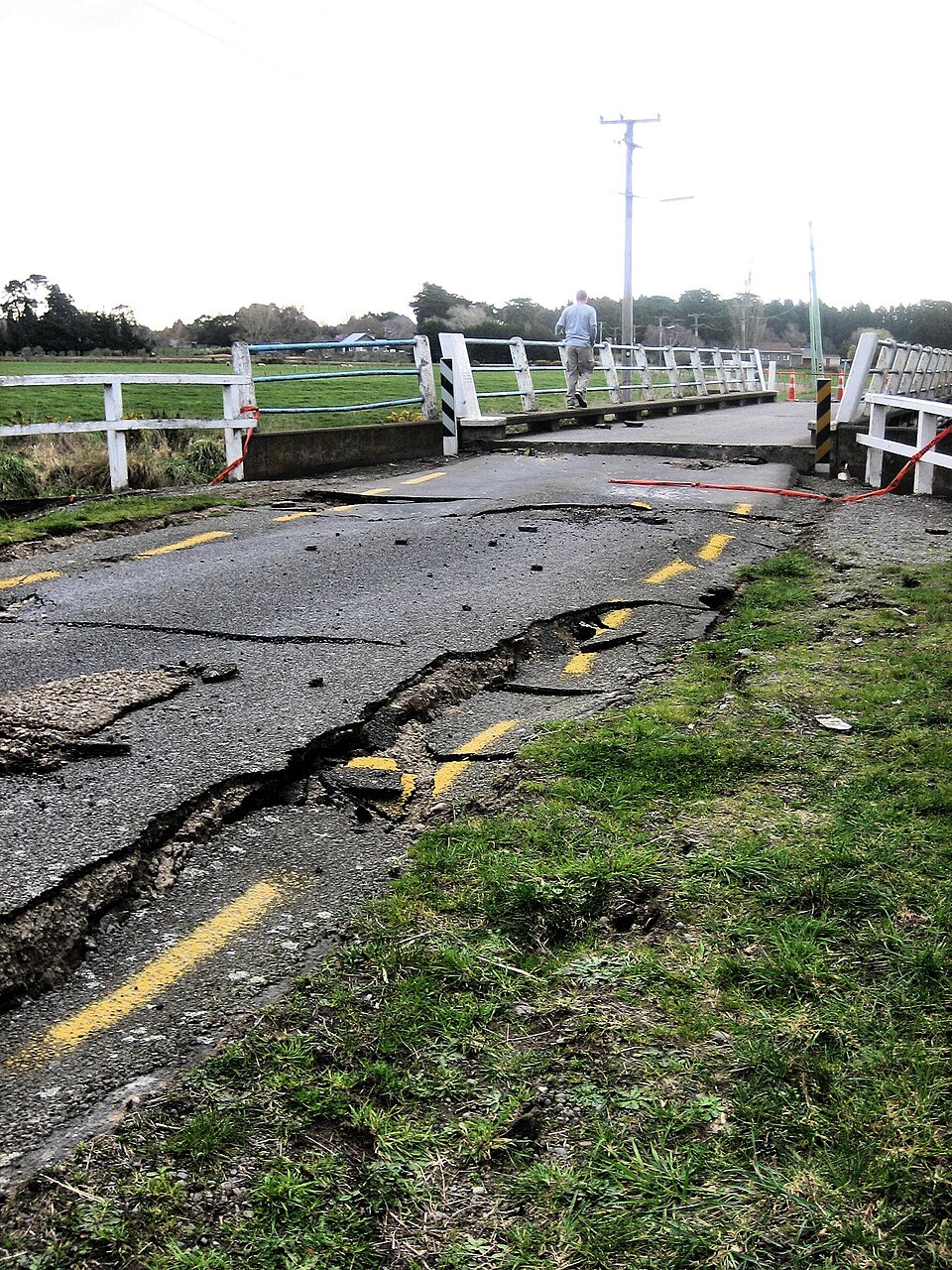
Death Toll Hits 34 After 7.1 Japan Quake As Heat And Water Shortages Threaten Survivors
Kumamoto prefectural authorities reported 34 confirmed deaths after a magnitude 7.1 earthquake struck the Kumamoto area on Tuesday, July 28, 2026, and survivors now face extreme heat and water shortages.[1]
At Aeon Mall Kashima, roughly 3,000 shoppers were evacuated before a gas-linked explosion and a second-floor collapse left seven dead and 11 people rescued.[1] At a Nippon Paper Industries factory in Yatsushiro, search crews recovered 11 people and confirmed nine deaths after a chimney collapse.[1] Officials say at least 96 people were injured, and preliminary assessments show more than 1,500 buildings were damaged, with 179 destroyed.[2] By Friday nearly 80,000 homes had no running water and more than 9,000 people were staying in roughly 400 evacuation shelters where extra power was being installed for air conditioning.[1]
On Tuesday, July 28, 2026, the magnitude 7.1 quake struck the Kumamoto area, triggering widespread collapses and large-scale evacuations.[3] Prime Minister Sanae Takaichi said rescuers were in a "race against time" and confirmed deployment of the Self-Defense Forces and incoming Taiwanese firefighting teams.[3] She announced federal preparations to deliver food and other necessities to the hardest-hit areas.[3]
Initial coverage late July 28-29 gave a far smaller toll; the New York Times reported at least 13 dead as crews searched collapsed buildings.[4] Over the following days, prefectural tallies and later reporting revised the figure to 34, after recoveries at major collapse sites including the Kashima mall and the Yatsushiro factory.[1]
The mainstream summary does not mention that initial reports on July 28 indicated a significantly lower death toll of at least 13, highlighting a rapid escalation in casualty figures as recovery efforts progressed. This discrepancy in reporting underscores the challenges faced by rescue teams in the immediate aftermath of the quake, as confirmed by the New York Times. Additionally, while the summary notes the deployment of Taiwanese firefighting teams, it omits the readiness of U.S. assistance, as stated by @USAmbJapan, which reflects the international response to the disaster and the urgency of the situation.
Furthermore, social media updates reveal that dozens remain unaccounted for in the collapsed sites, particularly at the Aeon Mall, which the mainstream report does not emphasize. This ongoing uncertainty about missing persons adds a layer of complexity to the recovery efforts and the emotional toll on families affected by the disaster. Reports of power outages affecting nearly 50,000 homes, noted by @grok, also highlight the broader infrastructural challenges that survivors are facing beyond just water shortages and heat, which the mainstream summary primarily focuses on.
Show source details & analysis (9 sources)
📌 Key Facts
- A magnitude 7.1 earthquake struck the Kumamoto area on Tuesday, July 28, 2026, triggering widespread collapses and prompting large-scale evacuations (magnitude 7.1 earthquake).
- Kumamoto prefectural authorities reported 34 confirmed deaths related to the July 28 quake, with one additional death under investigation, as of Friday, July 31, 2026 (34 confirmed deaths).
- At Aeon Mall Kashima, roughly 3,000 shoppers were evacuated to a parking lot before a gas-linked explosion and second-floor collapse; officials say 11 people were rescued and seven were confirmed dead at the site (Aeon Mall Kashima).
- At a Nippon Paper Industries factory in Yatsushiro, a collapsed chimney led to 11 people being recovered and nine confirmed dead after search operations ended (Nippon Paper Industries factory).
- Preliminary assessments reported at least 96 people injured (including six seriously) and more than 1,500 buildings damaged, with 179 buildings destroyed (more than 1,500 buildings damaged).
- By Friday, July 31, nearly 80,000 homes remained without running water, more than 9,000 people were staying in roughly 400 evacuation shelters where extra power was being installed for air conditioning, and electricity — which had been cut to thousands — was reported fully restored by Friday evening (nearly 80,000 homes).
- Japan’s weather agency and Environment Ministry issued an extreme heat alert for Kumamoto on Friday, July 31, 2026, with temperatures near 36°C (97°F); authorities warned of increased heatstroke and dehydration risks for evacuees sleeping in cars or tents, and fuel shortages limiting use of car air conditioning compounded the danger (extreme heat alert).
- Prime Minister Sanae Takaichi said on July 29 that rescuers were in a 'race against time,' confirmed Self Defense Forces deployment and incoming Taiwanese firefighting teams, and announced federal preparations to deliver food and other necessities to hard-hit areas (Prime Minister Sanae Takaichi).
- Transport and industry disruptions included partially resumed Shinkansen service between Kumamoto and Fukuoka with reduced operations (while other lines stayed suspended) and notifications that major local facilities such as the Taiwan Semiconductor Manufacturing Company site reported personnel safe and operations gradually resuming after inspections (Shinkansen service).
📰 Source Timeline (9)
Follow how coverage of this story developed over time
- As of Friday, July 31, 2026, Kumamoto prefectural officials report 34 confirmed deaths from the July 28 magnitude 7.1 earthquake and say one additional death is under investigation for quake linkage.
- Kumamoto authorities say nearly 80,000 homes remain without running water and more than 9,000 people are staying in shelters where extra power is being installed for air conditioning.
- Electricity, which had been cut to thousands of homes, was fully restored by Friday evening, according to the local power company.
- Officials report at least 96 people injured, including six seriously, and more than 1,500 buildings damaged, with 179 destroyed, based on preliminary assessments.
- Japan's weather agency and Environment Ministry issued an extreme heat alert for Kumamoto City on July 31, with temperatures reaching about 36°C (97°F), raising fears of heat-related illness among survivors, many of whom are sleeping in cars due to privacy and shelter constraints.
- Fuel shortages have emerged after power outages disabled gas stations and quake damage disrupted deliveries, limiting survivors' ability to run car air conditioning during the heat.
- At the Aeon Mall in Kashima, roughly 3,000 shoppers were evacuated to a parking lot before a gas-linked explosion in another part of the mall; a second-floor collapse followed, leaving 11 people rescued, seven of whom have been confirmed dead.
- Search operations at the Nippon Paper Industries factory in Yatsushiro have concluded, with officials saying 11 people were recovered from a collapsed chimney site and nine confirmed dead.
- Kumamoto officials say they have not provided a firm figure for how many people remain missing as search teams with dogs continue to work at collapsed homes and major sites including the Kashima mall.
- Taiwan Semiconductor Manufacturing Company, which operates a facility in Kumamoto, reports all personnel are safe, structural inspections found its building sound, and operations are gradually resuming while detailed impact assessments continue.
- The article details severe damage to Kinparo, a 116-year-old inn in Yatsushiro designated as a registered historic property, including a collapsed gate and cracked walls, underscoring cultural-heritage losses from the quake.
- As of Friday, July 31, 2026, Kumamoto prefectural authorities report 34 confirmed deaths related to the July 28 magnitude 7.1 earthquake, with one additional death under investigation.
- More than 79,000 homes were without water and more than 3,500 without electricity on Friday, July 31, 2026, and over 9,000 people were staying in shelters where additional power sources were being installed for air conditioning.
- At Aeon Mall Kashima, officials now confirm seven people dead and 11 rescued after a gas explosion and second-floor collapse that occurred after about 3,000 shoppers had been evacuated to the parking lot.
- At the Nippon Paper Industries factory in Yatsushiro, search operations have ended with 11 people rescued and nine confirmed dead following the chimney collapse.
- Local officials in Hikawa report more than 800 of the town's roughly 4,500 homes were destroyed or damaged, leaving many residents sleeping in vehicles in parks and parking lots due to damage, outages or fear of aftershocks.
- Kyushu Railway Co. has partially resumed Shinkansen bullet train service between Kumamoto and Fukuoka with reduced operations, while Shinkansen services to Kagoshima and some local lines in southern Kumamoto remain suspended.
- As of Thursday, July 30, 2026, Kumamoto prefectural authorities confirmed 25 disaster-related deaths and said nine additional deaths were under investigation as possibly connected to the quake.
- Officials reported at least 86 people injured, including five seriously, in the magnitude 7.1 earthquake that struck the Kumamoto area on Tuesday, July 28, 2026.
- Nearly 19,000 homes in the region were still without electricity on July 30, and more than 9,000 residents were staying in roughly 400 evacuation centers, where power sources were being added to provide air conditioning.
- In the town of Hikawa, officials said more than 800 of the town's roughly 4,500 households were destroyed or damaged, leaving many residents living in parked vehicles, tents, or damaged homes without water or electricity.
- Japan's Ministry of Environment issued a heatstroke alert for the Kumamoto area on Thursday, July 30, 2026, as temperatures rose above 33°C (91°F), and medical teams expressed concern about dehydration and heat illness among evacuees.
- Local accounts described evacuees choosing to sleep in cars or tents rather than crowded shelters due to privacy and comfort concerns, complicating relief efforts focused on centralized evacuation centers.
- By Thursday, July 30, 2026, Kumamoto prefectural officials said 25 deaths were confirmed as connected to the earthquake, with nine additional deaths suspected but still under investigation.
- The prefecture reported 86 injured, including five seriously, updating prior injury estimates.
- Officials said nearly 19,000 homes remained without electricity and more than 9,000 people were staying in about 400 evacuation centers as of July 30.
- Japan's Ministry of Environment issued a heatstroke alert for the Kumamoto area on Thursday, July 30, with temperatures forecast to reach about 91°F, heightening concern about illness in crowded shelters and among people sleeping in cars or tents.
- Local accounts from Hikawa town describe residents sleeping in cars or tents due to ongoing water and power outages and fear of aftershocks, and officials warn emergency food supplies such as canned bread and instant rice are starting to run low.
- A doctor dispatched from Aichi Prefecture said medical teams were touring evacuation centers on July 30 to monitor elderly and injured evacuees for heatstroke and dehydration.
- By early Thursday, July 30, 2026, Kumamoto prefectural officials reported at least 23 dead and 63 injured, including 5 seriously, while Chief Cabinet Secretary Minoru Kihara cited a police tally of 28 deaths that may include cases later deemed unrelated.
- Authorities said nearly 23,000 homes in the Kumamoto area remained without electricity and more than 10,000 people were staying in roughly 400 evacuation shelters two days after the July 28 quake.
- At Aeon Mall Kashima, about 3,000 customers were evacuated to a parking lot before an explosion in another section caused the second floor to collapse; as of early Thursday, six people were confirmed dead among 11 pulled from the wreckage.
- At the Nippon Paper Industries factory in Yatsushiro, officials now say 10 people were rescued, eight died and one person remains missing after a chimney collapse linked to the quake.
- Japanese environment officials issued a heat stroke alert for the Kumamoto area on Thursday, July 30, with forecast highs around 33°C (91°F), and responders warned of growing illness concerns in crowded shelters.
- Local authorities noted that some older Japanese-style homes proved especially vulnerable despite Japan's strict building codes, contributing to structural collapses in rural communities.
- CBS video segment published Wednesday, July 29, 2026, 8:56 a.m. Central reiterates that rescuers are still searching for survivors after the powerful earthquake in southwestern Japan on Tuesday, July 28, 2026.
- The segment states that at least 18 people have been killed, consistent with updated tolls in prior print coverage.
- CBS notes that four people died inside a shopping center that collapsed from an explosion approximately one hour after the quake struck.
- The magnitude 7.1 earthquake that struck the Kumamoto area on Tuesday, July 28, 2026, has killed at least 18 people and injured at least 62, including six seriously, according to the Kumamoto prefectural government.
- Aeon Mall in Kashima city experienced a gas explosion after roughly 3,000 customers were evacuated to the parking lot; the explosion caused the second floor to collapse, killing three people and leaving three store employees still missing as of Wednesday, July 29.
- At a Nippon Paper Industries factory in nearby Yatsushiro, a chimney collapse killed five people, seven were rescued, and authorities believe four more remain trapped in the debris.
- As of Wednesday, about 34,900 homes in Kumamoto Prefecture remained without electricity and some 15,000 without running water; more than 8,800 people were staying in over 400 evacuation shelters where power sources were being added for air conditioning.
- Prime Minister Sanae Takaichi said on July 29 that rescuers are in a 'race against time,' confirmed Self Defense Forces deployment and incoming Taiwanese firefighting teams, and announced federal preparations to deliver food and other necessities to hard-hit areas.
- Bullet train service in the region remains suspended, and although Aso Kumamoto Airport has resumed operations, some flights are still canceled as a precaution.
- New York Times reports that as of late July 28-29, 2026, the confirmed death toll from the Kumamoto-area 7.1 earthquake stood at at least 13 people.
- The article emphasizes ongoing efforts to reach people believed to be trapped in collapsed structures, underscoring that the rescue phase is still active rather than shifting to recovery.
- The NYT piece adds additional narrative and on-the-ground detail about damage patterns and specific localities in and around Kumamoto, complementing earlier broadcast accounts.