
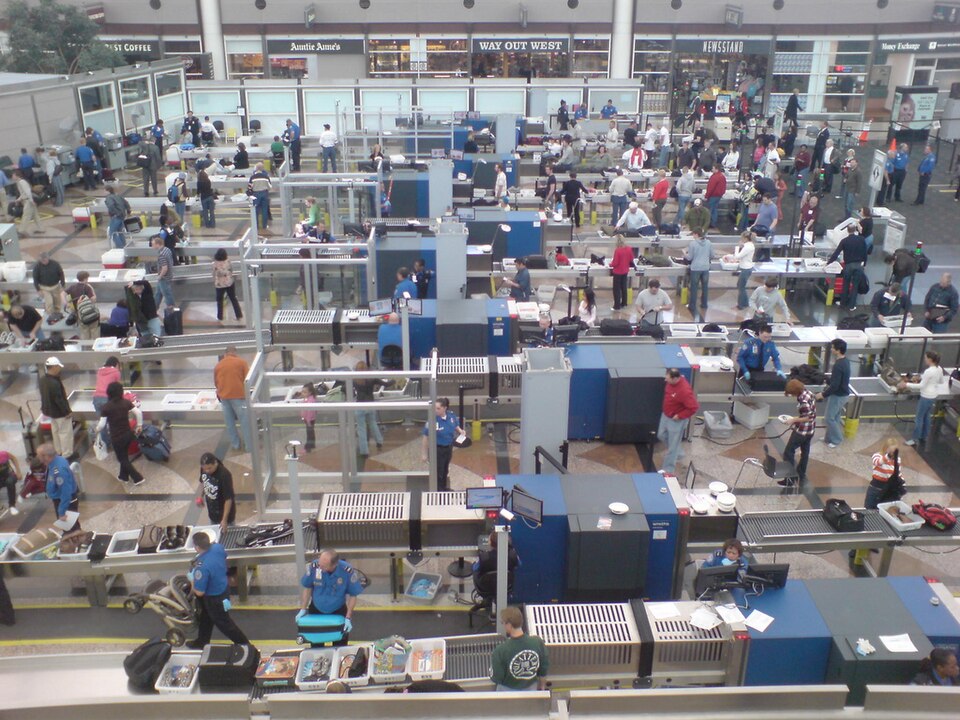
TSA Gold+ Lets Tampa, Charleston And Des Moines Privatize Screening Technology And Staff
Tampa International, Charleston and Des Moines airports will join the Transportation Security Administration's new Gold+ privatization initiative.[1]
Gold+ lets participating airports contract private firms to operate screening checkpoints and to implement and maintain screening technology.[2]
Tampa has set a target of May 2027 to transition its checkpoints to Gold+ contractors.[2] TSA's fiscal 2027 budget request seeks $477 million to expand privatization to all Category III and IV airports, a move that could shift security at roughly 220 of about 440 commercial airports.[2] TSA says that expansion could cut more than 4,000 TSA officer positions and save about $52 million.[2]
During the March 2026 partial government shutdown, airports using private contractors were able to keep paying screeners and avoided the longest lines, while many TSA-staffed airports saw unpaid federal officers call in sick.[2] Aviation security experts Sheldon Jacobson and Jeff Price say Gold+ keeps TSA in charge of standards and training but leaves unresolved questions about how the agency will oversee private firms and how profit motives may affect security decisions.[2]
Supporters say Gold+ could shorten lines and give airports more control over equipment choices, while critics warn it raises oversight and accountability challenges for a function long run by federal employees.[2] Local officials and airport leaders will now begin contract and transition planning as the program rolls out.[1]
Show source details & analysis (2 sources)
📌 Key Facts
- On Wednesday, July 29, 2026, TSA's Gold+ program was reported to allow participating airports to contract private companies not only to run screening checkpoints but also to implement and maintain screening technology, a broader role than in TSA's older Screening Partnership Program.
- Tampa International Airport has set a target date of May 2027 to transition its checkpoints to Gold+ contractors.
- TSA's FY 2027 budget request seeks $477 million to expand privatization to all Category III and IV airports, a move that could shift security at about 220 of roughly 440 commercial airports, cut more than 4,000 TSA officer positions and—which TSA estimates—save $52 million.
- PBS quotes aviation security experts Sheldon Jacobson and Jeff Price saying Gold+ keeps TSA in charge of standards and training but raises unresolved questions about how TSA will oversee private firms and the potential tension between profit motives and security decisions.
- The report notes that under Gold+ and existing privatized models, airports using contractors were able to keep paying screeners and avoid the longest lines during the March 2026 partial government shutdown, unlike TSA-staffed airports where unpaid federal officers called in sick.
📰 Source Timeline (2)
Follow how coverage of this story developed over time
- On July 29, 2026, PBS detailed that TSA's Gold+ program allows participating airports to contract private companies not only to run screening checkpoints but also to implement and maintain screening technology, a broader role than in TSA's older Screening Partnership Program.
- The article reports that Tampa International Airport has set a target date of May 2027 to transition checkpoints to Gold+ contractors.
- TSA's FY 2027 budget request seeks $477 million to expand privatization to all Category III and IV airports, potentially shifting security at about 220 of roughly 440 commercial airports and cutting more than 4,000 TSA officer positions, which TSA estimates would save $52 million.
- PBS quotes aviation security experts Sheldon Jacobson and Jeff Price saying Gold+ keeps TSA in charge of standards and training but raises unresolved questions about how TSA will oversee private firms and the tension between profit motives and security decisions.
- The report notes that under Gold+ and existing privatized models, airports using contractors were able to keep paying screeners and avoid the longest lines during the March 2026 partial government shutdown, unlike TSA-staffed airports where unpaid federal officers called in sick.