
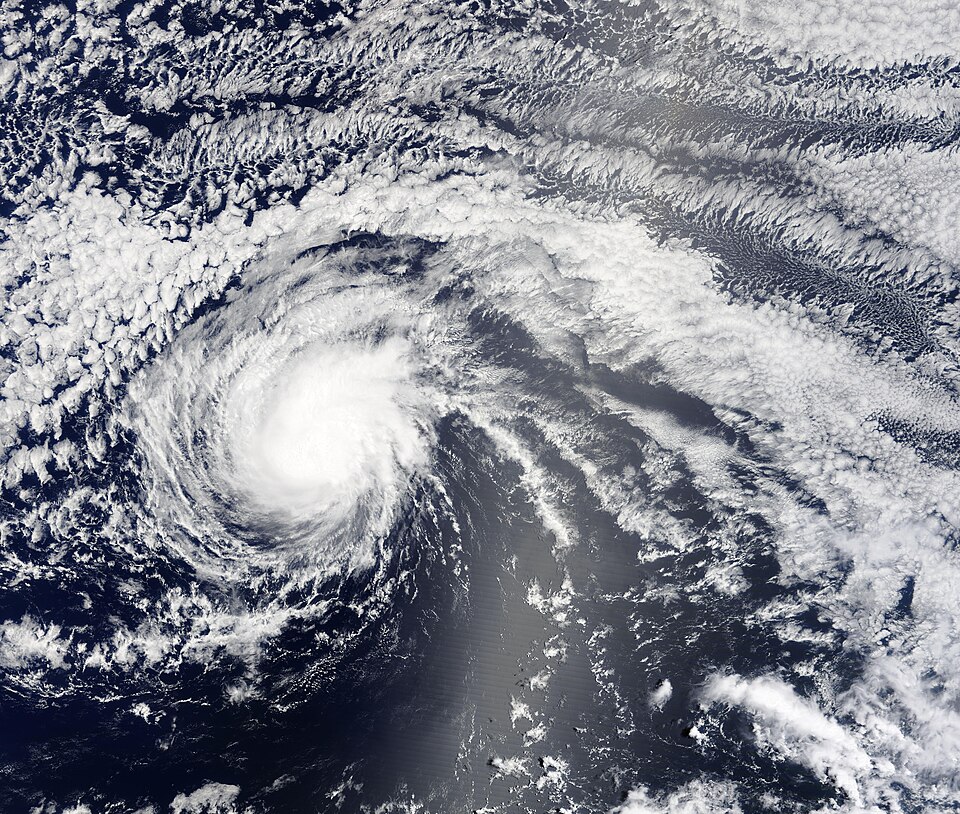
Super Typhoon Bavi Batters Rota And Nears Guam With Extreme Winds
Super Typhoon Bavi battered Rota and barreled toward Guam early Monday local time on July 6, 2026 (Sunday, July 5, 2026, Central time), threatening life-dangerous winds.[1]
The National Weather Service issued an Extreme Wind Warning for Rota, saying the island was already encountering catastrophic winds.[1] Forecasters expect Bavi to make landfall on Rota early Monday local time on July 6, 2026 (Sunday, July 5, 2026, Central time) as a Category 5 storm.[1] They warned sustained winds could reach 180 mph with gusts to 215 mph.[1] Typhoon warnings are in effect for Guam, Tinian and Saipan, with tropical-storm watches and warnings posted for other nearby islands.[1] Meteorologist Edwin Montvila warned going outside during the storm "can result in death from flying projectiles." CBS News Guam Governor Lou Leon Guerrero urged residents to stay home or in shelters and to avoid roads as the storm approaches.[1] The National Weather Service said Bavi's relatively quick motion could shorten the period of peak winds but still leave islands under torrential rain through at least Monday night.[1]
Forecasters had tracked Bavi as it intensified across the western Pacific and upgraded it to a super typhoon as it closed on the Mariana Islands.[1] Satellite and radar feeds showed a tight, well-defined eye and a compact core of extreme winds on a path that would take the system very near Rota.
Earlier coverage described Guam and nearby islands bracing for the storm; later updates showed the situation worsening as officials issued the Extreme Wind Warning and forecast a Category 5 landfall on Rota.[2][1] Social posts from meteorologists and satellite-analysis groups amplified the urgency with live radar and Himawari imagery as residents were urged into shelters.
The mainstream summary does not mention that only 5% of tropical cyclones passing near Guam reached super typhoon intensity historically, indicating the rarity of such an event and the heightened risk posed by Bavi. This statistic from the National Weather Service Guam underscores the severity of the current situation, as Bavi is classified as a Category 5 storm, a designation that is not common for the region. The summary also lacks context regarding the increasing intensity of tropical cyclones, which is linked to anthropogenic climate change. Research indicates that rising ocean temperatures contribute to a greater likelihood of storms reaching super typhoon status, a trend that has been documented over the past four decades. This broader climate context is crucial for understanding the implications of Bavi's intensity and the potential future risks for the region, which may face more frequent and severe storms due to ongoing environmental changes.[3].pdf)
Show source details & analysis (2 sources)
📊 Relevant Data
Historical records from 1671-1990 show that only 5% of tropical cyclones passing near Guam reached super typhoon intensity (maximum sustained winds of 150 mph or stronger) at their closest point of approach. ([National Weather Service Guam](https://www.weather.gov/media/gum/Tropical%20Cyclones%20Affecting%20Guam%20(1671-1990).pdf))
Tropical Cyclones Affecting Guam (1671-1990) — National Weather Service Guam
📌 Key Facts
- The National Weather Service issued an Extreme Wind Warning for Rota, saying the island was already encountering catastrophic winds as of early Monday morning local time on July 6, 2026.
- Forecasters now expect Super Typhoon Bavi to make landfall on Rota early Monday local time on July 6, 2026 as a Category 5 system with sustained winds up to 180 mph and gusts to 215 mph.
- Typhoon warnings are in effect for Guam, Tinian and Saipan, with tropical storm warnings and watches posted for other nearby islands.
- Meteorologist Edwin Montvila warned that going outside during the storm "can result in death from flying projectiles" and predicted widespread downed utility poles and power lines.
- Guam Gov. Lou Leon Guerrero released a video on Sunday, July 5, 2026, urging residents to stay home or in shelters and avoid roads as the storm approaches.
- The National Weather Service said Bavi is moving relatively quickly, which could shorten the period of peak winds but still leave the islands under torrential rain and tropical-storm conditions through at least Monday night.
📰 Source Timeline (2)
Follow how coverage of this story developed over time
- As of early Monday morning local time on July 6, 2026, the National Weather Service issued an Extreme Wind Warning for Rota, saying the island was already encountering catastrophic winds.
- Forecasters now expect Super Typhoon Bavi to make landfall on Rota early Monday local time as a Category 5 system with sustained winds up to 180 mph and gusts to 215 mph.
- In addition to Rota, typhoon warnings are in effect for Guam, Tinian and Saipan, with tropical storm warnings and watches posted for other nearby islands.
- Meteorologist Edwin Montvila warned that going outside during the storm "can result in death from flying projectiles" and predicted widespread downed utility poles and power lines.
- Guam Gov. Lou Leon Guerrero released a video on Sunday, July 5, 2026, urging residents to stay home or in shelters and avoid roads as the storm approaches.
- The National Weather Service said Bavi is moving relatively quickly, which could shorten the period of peak winds but still leave the islands under torrential rain and tropical-storm conditions through at least Monday night.