
NYC Expands Legionnaires Warning After 14 Cases On Upper East Side
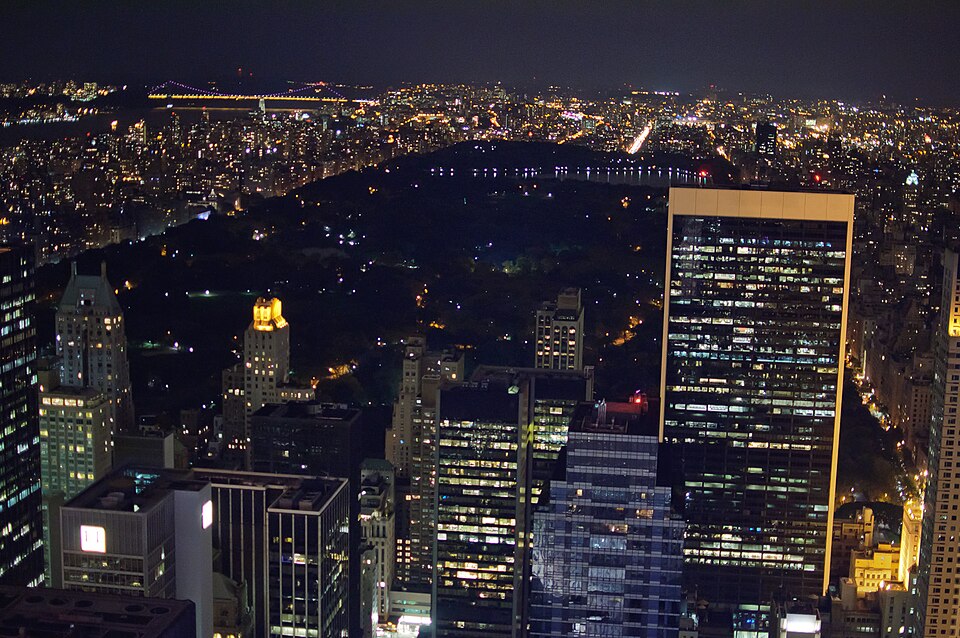
New York City health officials on Sunday reported 14 confirmed Legionnaires' disease cases tied to Upper East Side ZIP codes 10028, 10128 and 10075.[1] Officials expanded a public warning and urged people who lived, worked or spent time since late June along the east side of Central Park between East 76th and East 97th Streets to watch for flu-like symptoms.[1]
The Health Department is testing all cooling towers in the affected area as a potential source.[1] City officials said drinking water, home plumbing and indoor air conditioners remain safe to use.[1]
The cluster was first announced Thursday, July 2, when only two cases had been confirmed and the investigation zone has since been expanded.[1] City officials and local leaders, including Councilmember Mark Levine, have been updating residents on social media and urging anyone in the affected ZIP codes with respiratory or flu-like symptoms to seek medical attention because more cases could surface as people get tested.
The mainstream summary does not mention the broader context of Legionnaires' disease in New York City, which typically sees between 200 and 700 cases annually among its 8.5 million residents. This statistic highlights that while 14 cases may seem alarming, they are part of a larger trend of fluctuating outbreaks in urban areas. Furthermore, the case-fatality rate for Legionnaires' disease is approximately 10 percent, a critical detail that underscores the seriousness of the situation and the importance of prompt medical attention for those exhibiting symptoms. This aspect was notably absent from the mainstream coverage, which focused primarily on the immediate outbreak without addressing the potential severity of the disease itself.
Additionally, while the summary emphasizes the testing of cooling towers as a potential source, it overlooks the structural factors contributing to the rising incidence of Legionnaires' disease, such as aging infrastructure and climate-sensitive drivers. Recent analyses indicate that urban environments are increasingly vulnerable to waterborne diseases due to factors like rising temperatures and inadequate plumbing systems, which can foster bacterial growth. This broader perspective on the systemic issues linked to Legionnaires' disease provides a deeper understanding of the outbreak's implications beyond the immediate health advisory issued by city officials.[2][3]
Show source details & analysis (1 source)
📊 Relevant Data
New York City typically reports between 200 and 700 cases of Legionnaires’ disease per year among its 8.5 million residents.
Legionnaires' Disease in New York City: 2019-2022 Surveillance Report — NYC Health
The case-fatality rate for Legionnaires’ disease is approximately 10 percent overall.
📌 Key Facts
- On Sunday, July 5, 2026, NYC health officials reported 14 confirmed Legionnaires disease cases tied to Upper East Side ZIP codes 10028, 10128 and 10075.
- People who lived, worked or spent time since late June along the east side of Central Park between East 76th and East 97th Streets were urged to watch for flu-like symptoms.
- The Health Department is testing all cooling towers in the affected area as a potential source, while city officials said drinking water, home plumbing and indoor air conditioners remain safe to use.
- The cluster was first announced Thursday, July 2, 2026, when only two cases had been confirmed, and the investigation zone has since been expanded.
📰 Source Timeline (1)
Follow how coverage of this story developed over time