
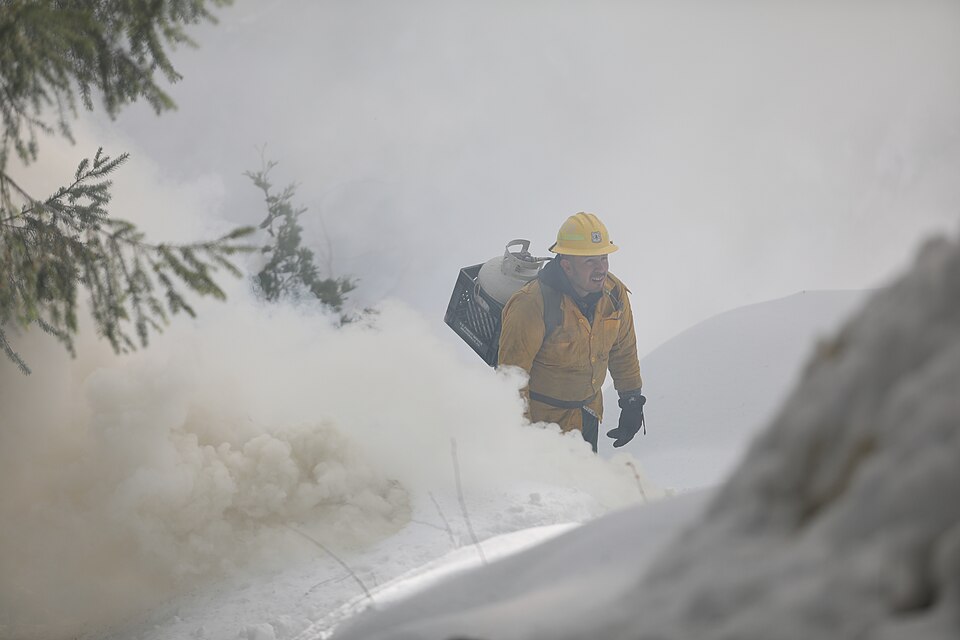
Willow Fire Near Leadville Triggers New Evacuations After Overnight Growth
Lake County ordered mandatory evacuations for Halfmoon Road and Lake Fork Trailer Park on Sunday morning, July 5, 2026, after the Willow Fire showed significant overnight growth.[1]
Officials said the blaze grew about 900 acres overnight to an estimated 3,957 acres and remained 1% contained.[1] New pre-evacuation notices covered parts of Twin Lakes and State Highway 82 from Independence Pass, and shelters opened in Buena Vista and at Battle Mountain High School.[1]
The fire began about a week earlier and repeatedly expanded quickly as crews worked in steep country. Crews and local officials said dry fuels and rugged terrain have hampered containment and made lines difficult to hold.
State emergency management has been supporting operations and officials urged residents to monitor Lake County OEM for real-time evacuation information. Observers reported smoke pushed north into Summit County, worsening air quality and visibility for nearby communities.
The mainstream summary does not mention the broader context of the ongoing wildfire crisis in Colorado, where, as of July 2, 2026, five active wildfires had already consumed nearly 125,000 acres statewide. This statistic highlights the severity of the situation that the Willow Fire is part of, suggesting a larger trend of escalating wildfire activity in the region. Furthermore, while the summary notes the fire's growth to nearly 4,000 acres, it downplays the rapid escalation that saw the fire expand by over 1,000 acres within just a few hours, underscoring the immediate threat to local communities and the urgency of the evacuation orders. Observers on social media have also pointed out the significant challenges posed by steep terrain and dry fuel conditions, which have complicated firefighting efforts and contributed to the fire's rapid spread, a detail the mainstream account does not emphasize enough. Additionally, the mention of smoke impacting air quality in Summit County is significant, as it reflects the fire's broader environmental impact beyond immediate evacuations, which the summary fails to address adequately.
Show source details & analysis (1 source)
📊 Relevant Data
As of July 2, 2026, five active wildfires in Colorado had burned a combined total of nearly 125,000 acres.
Colorado wildfires consume nearly 125,000 acres across state — The Spokesman-Review / Denver Post
📌 Key Facts
- On Sunday morning, July 5, 2026, Lake County ordered mandatory evacuations for Halfmoon Road and Lake Fork Trailer Park due to the Willow Fire.
- Officials say the Willow Fire grew about 900 acres overnight to an estimated 3,957 acres and remains only 1% contained.
- New pre-evacuation notices cover parts of Twin Lakes and State Highway 82 from Independence Pass, and shelters were opened in Buena Vista and at Battle Mountain High School.
📰 Source Timeline (1)
Follow how coverage of this story developed over time