
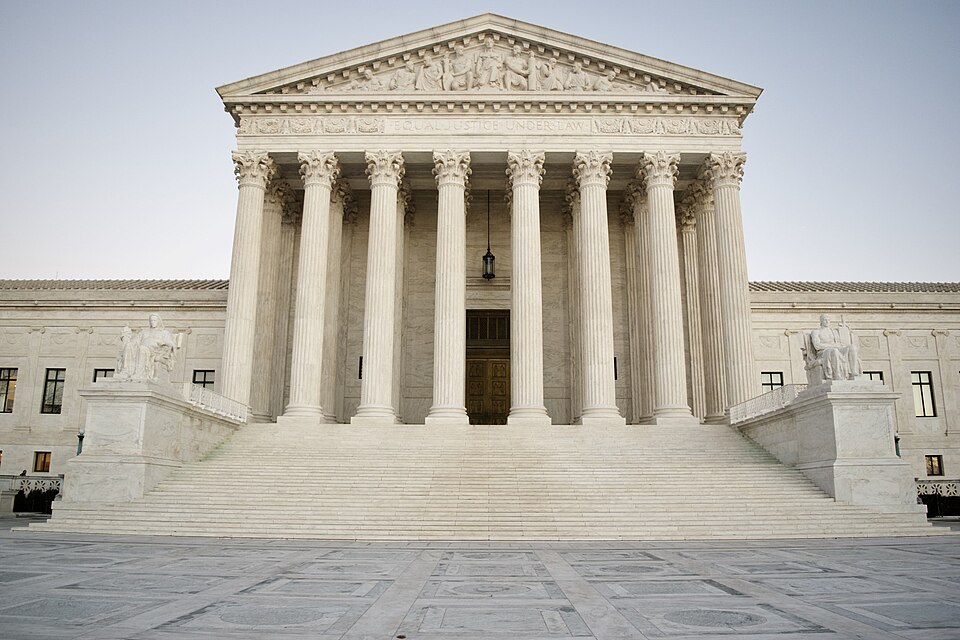
Supreme Court Lets Contempt Fines Proceed In Catherine Herridge Source Case
The Supreme Court declined Catherine Herridge's emergency request to pause $800-per-day contempt fines in the Yanping Chen Privacy Act case on Thursday, July 2, 2026, allowing the penalties to proceed.[1]
Herridge is refusing to identify a confidential source and faces accumulating daily fines unless she reveals the source or the lower courts change course.[2] The justices did not take up the broader reporter's-privilege question, leaving the larger First Amendment issue unresolved.[1]
In 2017 Herridge reported for Fox News on an FBI counterintelligence probe into Yanping Chen. Chen sued federal agencies under the Privacy Act in December 2018, alleging unlawful leaks of records to Herridge and others.[1]
Chen subpoenaed Herridge for deposition testimony in mid-2022, and Herridge refused to identify her source during a September 2023 deposition. A judge found her in civil contempt on February 29, 2024, and imposed the $800-per-day fine that has been allowed to continue.[1]
The D.C. Circuit upheld the contempt order in September 2025 and denied a stay in June 2026, and major news organizations and press-freedom groups had urged the Supreme Court to intervene.[1] Critics on social media called the ruling a setback for reporters who rely on confidential sources.
The mainstream summary does not mention that the FBI conducted a counterintelligence investigation of Yanping Chen from 2010 to 2016, which was closed without charges. This context is crucial as Chen alleges that federal officials leaked records from this investigation to Herridge, which he claims violates the Privacy Act. The D.C. Circuit's ruling in September 2025, which upheld the contempt order, relied on a precedent that allows the First Amendment reporter's privilege to be overcome when the information sought is central to the plaintiff's claim, a nuance that the mainstream account overlooks. This legal precedent highlights the precarious nature of press freedoms in cases involving government leaks, which could have broader implications for journalists relying on confidential sources.
Additionally, social media reactions reveal a strong sentiment among commentators who view the Supreme Court's decision as a significant setback for First Amendment protections. Critics argue that this ruling not only affects Herridge but also sets a troubling precedent for journalists across the country. The mainstream summary does not capture this widespread concern or the implications that many believe this ruling holds for the future of journalistic confidentiality and press freedoms overall.
Show source details & analysis (2 sources)
📊 Relevant Data
The FBI conducted a counterintelligence investigation of Yanping Chen from 2010 to 2016 that was closed without charges; Chen alleges federal officials leaked records from that investigation to Herridge and Fox News in violation of the Privacy Act.
Chen v. FBI (D.C. Cir. 2025) — U.S. Court of Appeals for the D.C. Circuit
The D.C. Circuit's September 2025 ruling in this case applied its 2005 precedent in Lee v. Department of Justice, a Privacy Act lawsuit in which the court held that the First Amendment reporter's privilege was overcome when the information sought went to the heart of the plaintiff's claim and alternatives had been exhausted.
Chen v. FBI (D.C. Cir. 2025) and Lee v. Department of Justice — U.S. Court of Appeals for the D.C. Circuit
📌 Key Facts
- On Thursday, July 2, 2026, the Supreme Court declined Catherine Herridge’s emergency request to pause $800-per-day contempt fines while she refuses to identify a confidential source in the Yanping Chen Privacy Act case.
- The Court’s action allows the $800-per-day contempt fines to proceed against Herridge as she withholds the source rather than disclose it.
- The justices did not take up the underlying reporter’s-privilege question, leaving the broader First Amendment issue unresolved and forcing Herridge to choose between revealing a source or incurring daily penalties.
- Major news organizations and press-freedom groups had urged the Court to intervene, highlighting the case’s perceived importance for investigative reporting that depends on confidential sources.
- The New York Times framed the decision as a significant First Amendment development in its coverage headlined “Supreme Court Allows Reporter to Be Fined for Failing to Disclose Source.”
📰 Source Timeline (2)
Follow how coverage of this story developed over time
- Article confirms that on Thursday, July 2, 2026, the Supreme Court declined Catherine Herridge's emergency request to pause $800-per-day contempt fines while she refuses to identify a confidential source in the Yanping Chen Privacy Act case.
- The New York Times piece provides broader First Amendment framing, emphasizing that the Court did not take up the underlying reporter's-privilege question and left Herridge to choose between revealing a source and mounting daily fines.
- The article notes that major news organizations and press-freedom groups had urged the Court to intervene, underscoring the case's perceived significance for investigative reporting that relies on confidential sources.