
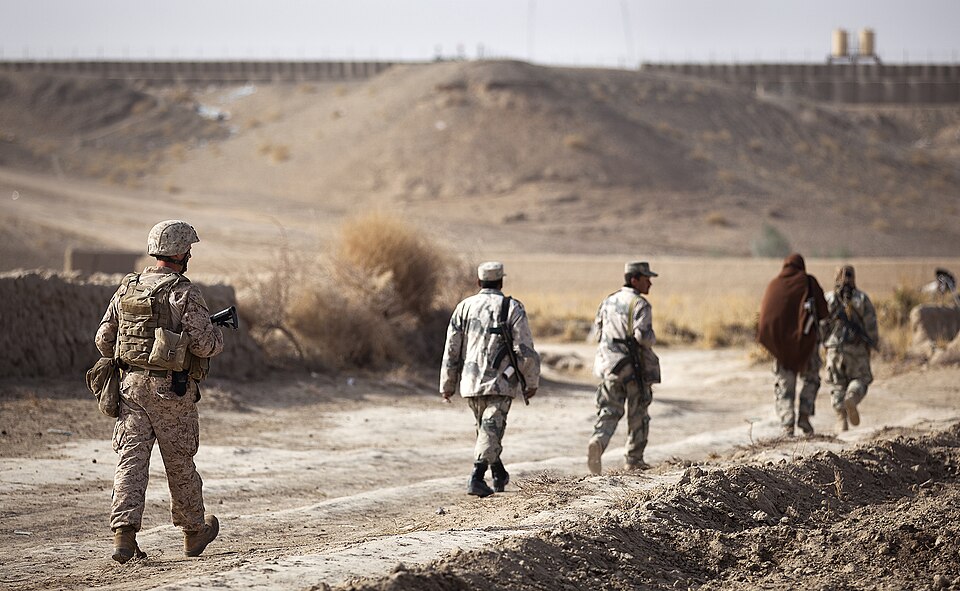
Taliban Strike Pakistani Border Targets After Deadly Pakistan Air Raids
The Afghan Taliban said it carried out strikes along the Pakistan border on Tuesday, June 30, 2026, injuring several people in Balochistan province.[1]
Pakistan's military said it shot down four rudimentary drones tied to the operation and warned further provocations would draw a "befitting response." BBC The Taliban's Ministry of Defence said the strikes hit alleged ISIS-K hideouts and vowed to target any threat to Afghan security.[1]
On Sunday, June 28, 2026, Pakistan carried out air and ground strikes in Afghanistan's Paktia, Paktika and Kunar provinces, which Islamabad said killed 29 militants.[1] The Afghan Taliban and the UN say Pakistan's strikes killed at least 28-36 civilians and wounded more than 160 people, figures the BBC could not independently verify.[1]
The cross-border fighting follows a ceasefire negotiated on October 19, 2025, after earlier escalations that began when Pakistan struck a Kabul target in October 2025 to go after a TTP leader. Intermittent clashes and airstrikes since February have killed dozens despite the ceasefire.[1]
The mainstream summary does not mention the significant civilian toll from the ongoing conflict, with UN experts documenting at least 289 civilian casualties since February 26, 2026, including 76 killed and over 115,000 displaced. This stark figure highlights the humanitarian impact of the border clashes, which the summary frames primarily through military actions. Furthermore, while the summary notes the Taliban's justification for its strikes as targeting ISIS-K hideouts, it overlooks the broader context of Pakistan's military operations, which have been linked to a resurgence of the Tehrik-e-Taliban Pakistan (TTP) and a spike in terrorism-related deaths in Pakistan, reaching 4,001 in 2025—the highest in 11 years. This suggests a deeper cycle of violence rooted in complex historical grievances, including the longstanding dispute over the Durand Line, which Afghanistan has never formally recognized as its border with Pakistan since it was established in 1893. These additional perspectives illustrate a more nuanced and dire situation than the mainstream account presents.
Show source details & analysis (1 source)
📊 Relevant Data
Since 26 February 2026, UN experts documented at least 289 civilian casualties (76 killed, 213 injured) in Afghanistan from the border conflict, with over 115,000 people displaced.
Afghan–Pakistani border: UN experts urgently call for lasting peace — OHCHR
Pakistan recorded 4,001 terrorism-related deaths in 2025, its highest annual toll in 11 years, with a resurgence linked in part to cross-border militant activity.
Terrorist and Other Militant Groups in Pakistan — Congressional Research Service
Afghanistan has never formally recognized the Durand Line as its border with Pakistan since the line was demarcated in 1893; the dispute has persisted through multiple Afghan governments.
Durand Line — Wikipedia (citing historical treaties)
📌 Key Facts
- On Tuesday, June 30, 2026, Afghanistan's Taliban authorities said they carried out strikes along the border targeting Pakistan, injuring several people in Balochistan province.
- Pakistan's military reported shooting down four rudimentary drones linked to the incident and warned that further provocations would draw a "befitting response."
- The Taliban action followed Pakistani air and ground strikes on Sunday, June 28, 2026, in Afghanistan's Paktia, Paktika and Kunar provinces, which Pakistan says killed 29 militants.
- The UN and Afghan Taliban government say Pakistan's Sunday strikes killed at least 28-36 civilians and wounded more than 160 people, figures the BBC could not independently verify.
- Intermittent border clashes and airstrikes, including deadly incidents in February and March 2026, have killed dozens despite an October ceasefire agreement.
📰 Source Timeline (1)
Follow how coverage of this story developed over time