
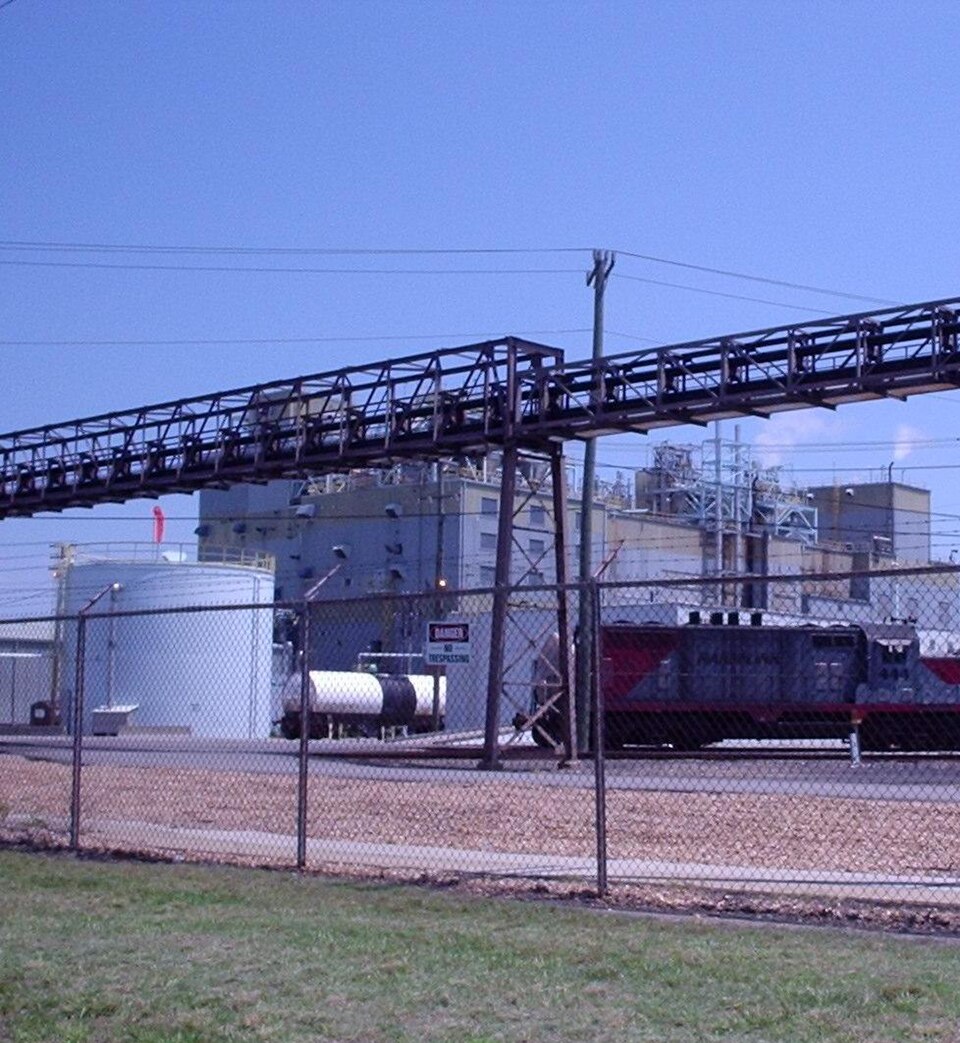
Chemours Agrees To $450 Million Federal Settlement Over PFAS Pollution
On Wednesday, June 24, 2026, the Trump administration announced a $450 million multi-state settlement with Chemours over illegal PFAS discharges, calling it the first federal settlement with a PFAS manufacturer.[1]
Under the consent decree filed in federal court in West Virginia, Chemours will pay a $22.5 million civil penalty and spend $90 million on mitigation projects over 15 years.[1] The company must invest about $60 million in PFAS pollution controls at its Washington Works plant.[1] It must also supply clean drinking water near its West Virginia and New Jersey sites at an estimated cost of $280 million.[1] The decree covers Chemours facilities in West Virginia, North Carolina and New Jersey that discharged PFAS into the Ohio, Cape Fear and Delaware rivers in violation of Clean Water Act permits and Toxic Substances Control Act requirements.[1] Justice Department official Adam Gustafson and EPA enforcement chief Jeffrey Hall said the deal aims to make polluters pay and bring Chemours into legal compliance.[1] North Carolina Attorney General Jeff Jackson called the agreement "an insult to the people of eastern North Carolina," saying it does little to clean up GenX contamination in the Cape Fear basin.[1]
On April 26, 2023, the EPA issued its first federal Clean Water Act administrative compliance order to Chemours for the Washington Works plant, citing repeated permit exceedances and treatment failures. State environmental agencies in New Jersey, North Carolina and West Virginia separately documented PFAS discharges into the Delaware, Cape Fear and Ohio rivers and pursued enforcement actions. An August 2025 federal court order had already required Chemours to stop discharging unlawful levels of cancer-causing chemicals into the Ohio River.[1]
The settlement does not resolve DuPont's liability for past PFAS violations at the same sites.[1]
The mainstream summary does not mention the broader context of PFAS contamination in the United States, where the EPA has identified approximately 120,000 facilities that may have released these chemicals. This highlights the systemic nature of the issue, as at least 45% of U.S. tap water is estimated to contain one or more PFAS chemicals, affecting millions of people across the country. The Environmental Working Group reports that there are 9,728 known PFAS-contaminated sites nationwide, with detectable PFAS in drinking water serving 176 million people. This extensive contamination underscores the inadequacy of the settlement, which critics argue does not sufficiently address the scale of the problem or the ongoing health risks posed by PFAS exposure.
While the mainstream account frames the settlement as a significant step towards accountability, it downplays the concerns raised by local officials, particularly in North Carolina, where the settlement has been described as an "insult" to communities suffering from GenX contamination. Critics argue that the financial penalties and mitigation efforts outlined in the settlement do not equate to meaningful remediation or justice for affected populations. The ongoing regulatory gaps and historical failures in oversight contribute to a sense of skepticism regarding the effectiveness of this settlement in preventing future violations and protecting public health.[2][3][4]
Show source details & analysis (2 sources)
📊 Relevant Data
The EPA has identified approximately 120,000 U.S. facilities that may have handled or released PFAS.
The State of PFAS Forever Chemicals in America (2024) — Environmental and Energy Study Institute
At least 45% of U.S. tap water is estimated to contain one or more PFAS chemicals.
Tap water study detects PFAS 'forever chemicals' across the U.S. — U.S. Geological Survey
Known PFAS-contaminated sites total 9,728 across 50 states, D.C., and territories, with detectable PFAS in drinking water serving 176 million people.
Interactive Map: PFAS Contamination Crisis: New Data Show 9,728 Sites in 50 States — Environmental Working Group
📌 Key Facts
- On Wednesday, June 24, 2026, the Trump administration announced a $450 million multi-state settlement with Chemours over years-long illegal PFAS discharges, calling it the first federal enforcement settlement with a PFAS manufacturer.
- The consent decree filed in federal court in West Virginia covers Chemours facilities in West Virginia, North Carolina and New Jersey that discharged PFAS into the Ohio, Cape Fear and Delaware rivers in violation of Clean Water Act permits and TSCA requirements.
- According to DOJ officials, Chemours will pay a $22.5 million civil penalty, spend $90 million over 15 years on mitigation projects, invest about $60 million in PFAS pollution controls at its Washington Works plant in West Virginia, and supply clean drinking water near its West Virginia and New Jersey sites at an estimated cost of $280 million (totaling $450 million).
- Justice Department official Adam Gustafson and EPA enforcement chief Jeffrey Hall framed the deal as balancing Chemours' commercial and military role with protection of public health, saying it is intended to make polluters pay and bring Chemours into legal compliance.
- The settlement does not resolve DuPont's liability for past PFAS violations at the same sites and follows an August 2025 federal court order requiring Chemours to stop discharging unlawful levels of cancer-causing chemicals into the Ohio River.
- On Wednesday, June 24, 2026, North Carolina Attorney General Jeff Jackson criticized the agreement as "an insult to the people of eastern North Carolina," saying it does little to clean up GenX contamination in the Cape Fear basin.
📰 Source Timeline (2)
Follow how coverage of this story developed over time
- On Wednesday, June 24, 2026, the Trump administration announced a multi-state settlement with Chemours over years-long illegal PFAS discharges, describing it as the first federal enforcement settlement with a PFAS manufacturer.
- The consent decree was filed in federal court in West Virginia and covers Chemours facilities in West Virginia, North Carolina and New Jersey that discharged PFAS into the Ohio, Cape Fear and Delaware rivers in violation of Clean Water Act permits and TSCA requirements.
- DOJ officials specified Chemours will pay a $22.5 million civil penalty, spend $90 million over 15 years on mitigation projects, invest about $60 million in PFAS pollution controls at the Washington Works plant in West Virginia, and supply clean drinking water near its West Virginia and New Jersey sites at an estimated cost of $280 million.
- Justice Department official Adam Gustafson and EPA enforcement chief Jeffrey Hall publicly framed the deal as balancing Chemours' commercial and military role with protection of public health, saying it is intended to make polluters pay and bring Chemours into legal compliance.
- The article notes that the settlement does not resolve DuPont's liability for past PFAS violations at the same sites and follows an August 2025 federal court order requiring Chemours to stop discharging unlawful levels of cancer-causing chemicals into the Ohio River.
- North Carolina Attorney General Jeff Jackson criticized the agreement on June 24, 2026 as 'an insult to the people of eastern North Carolina,' arguing it does little to clean up GenX contamination in the Cape Fear basin.