
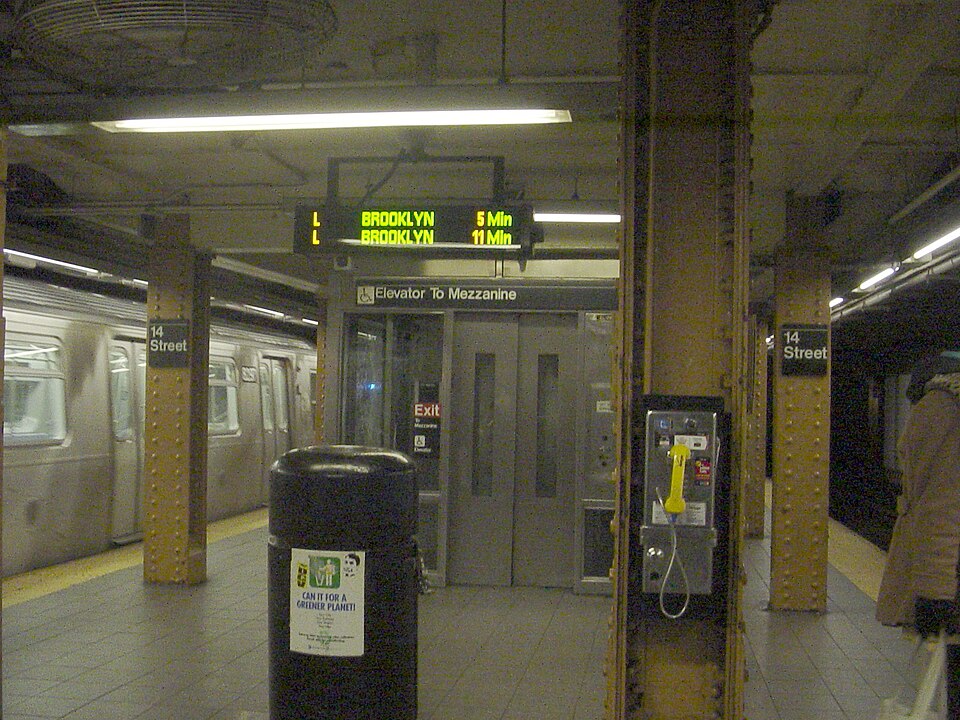
NYC Teen Gets 5½ Years For Setting Homeless Man On Subway Fire
A federal judge on Wednesday, June 24, 2026, sentenced New York high school senior Hiram Carrero to 5 1/2 years for setting a sleeping homeless man on fire on an uptown subway train.[1]
Carrero pleaded guilty in March 2026 to federal arson, and prosecutors said the attack left the victim extensively scarred and disfigured.[1] Prosecutors told the court the crime was separated from murder by mere chance and they had sought an eight-year sentence; the judge imposed 5 1/2 years.[1]
On December 1, 2025, Carrero boarded a northbound 3 train at 34th Street-Penn Station, lit a piece of paper and placed it near a sleeping 56-year-old man before exiting at the next stop.[1] The case was handled by the ATF New York Arson and Explosives Task Force and was prosecuted as federal arson.
On December 22, 2024, Debrina Kawam was set on fire and killed while sleeping on an F train at Coney Island-Stillwell Avenue station. Her killing helped prompt heightened scrutiny of subway fire safety ahead of this federal prosecution.
Defense lawyers said Carrero was 18 and a high school senior at the time and told the court he had been drinking and smoking marijuana before the attack and that no accelerant was used. The sentence is six months longer than the five-year basic federal mandatory minimum for this arson charge, but shorter than the eight years prosecutors requested.
The mainstream summary does not mention the broader context of homelessness in New York City, where an estimated 4,504 individuals were experiencing unsheltered homelessness as of January 2025, marking a 26% increase from pre-pandemic levels in 2019. This statistic underscores the vulnerability of the population affected by such violent acts, which is crucial to understanding the implications of Carrero's actions and the societal issues at play. Additionally, while the summary notes the sentence of 5 1/2 years, it does not highlight that under federal law, the mandatory minimum for arson can increase to 7 years if bodily injury occurs, suggesting that the sentence may be perceived as lenient given the severity of the crime and its impact on the victim's life.
Moreover, the mainstream account downplays the alarming trend of increasing spontaneous violent assaults on NYC subways, which have tripled since 2009, often targeting vulnerable individuals like the homeless. This shift in crime patterns, as detailed in a January 2025 analysis, indicates a systemic failure to provide adequate support and services for those with mental health issues and homelessness, which may contribute to such violent incidents. Understanding this context is essential for grasping the full ramifications of Carrero's actions and the societal challenges that surround them.[2][3][4]
Show source details & analysis (1 source)
📊 Relevant Data
As of January 2025, an estimated 4,504 individuals were experiencing unsheltered homelessness in New York City, a 26% increase from pre-pandemic levels in 2019.
New York State Comptroller Report — Office of the New York State Comptroller
Under 18 U.S.C. § 844(i), federal arson of property used in interstate commerce carries a 5-year mandatory minimum sentence, which rises to 7 years if bodily injury results.
Arson Sentence: What Drives the Length and How ... — Daeryun Law
📌 Key Facts
- On December 1, 2025, Carrero set a sleeping homeless man on fire on an uptown subway train between 34th Street–Penn Station and 42nd Street–Times Square.
- On March 2026, Carrero pleaded guilty to federal arson, and Judge Lewis J. Liman sentenced him to five and a half years on June 24, 2026.
- Prosecutors said the attack left the victim extensively scarred and disfigured and described the crime as separated from murder by mere chance.
- The sentence is six months longer than the federal mandatory minimum for the arson offense but shorter than the eight years requested by prosecutors.
📰 Source Timeline (1)
Follow how coverage of this story developed over time