
Supreme Court Sets Tax Sale Price As Takings Baseline In Michigan Case
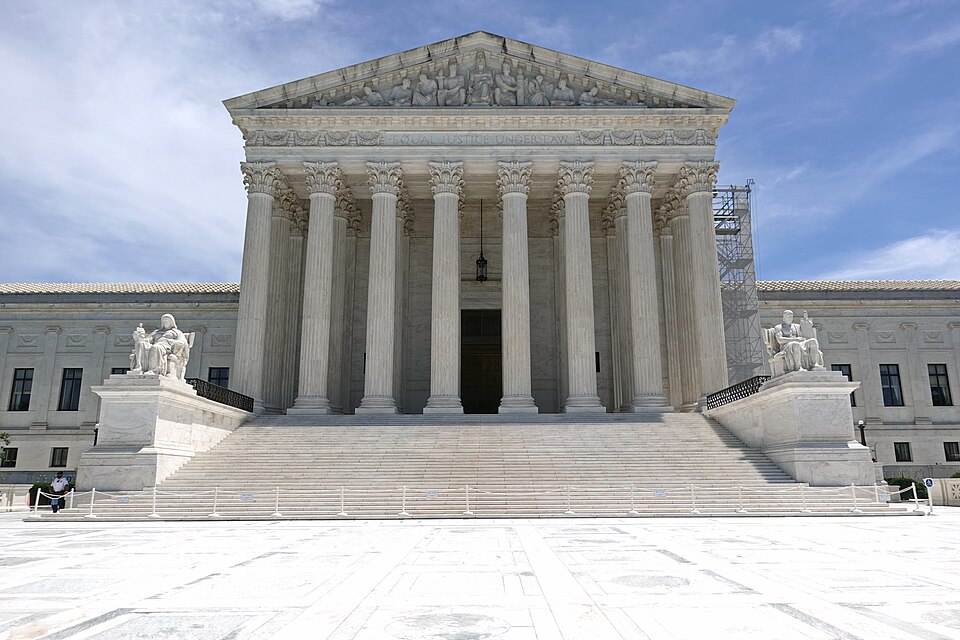
On Tuesday, June 23, 2026, the U.S. Supreme Court unanimously ruled for Isabella County in a Michigan tax-foreclosure case, holding the auction price sets the Fifth Amendment compensation baseline.[1]
Justice Samuel Alito wrote that when a tax sale is fairly conducted, the sale price — not hypothetical fair market value — is the proper baseline for just compensation under the Fifth Amendment.[1] The Pung house was assessed at about $194,400 but was foreclosed over a $2,241.93 tax bill and sold at auction for $76,008.[1]
Scott Pung bought the 3,000-square-foot home in Isabella County in 1991 and claimed the principal residence tax exemption. After his 2004 death, disputes arose over continued exemption for his estate and heirs, and the assessor again denied the exemption despite a Michigan Tax Tribunal ruling favoring the family. Michael Pung tried to pay taxes in 2012, but the county recorded an unpaid bill of $2,241.93 and started foreclosure in 2014, with a state court judgment in 2015.
Lower federal courts awarded only the auction surplus under recent precedent and the Sixth Circuit affirmed before the Supreme Court took the case in 2025.[1] The justices unanimously declined to decide whether Isabella County's seizure and sale procedures were unfair and sent the case back to the Sixth Circuit to resolve those process claims.[1]
The mainstream summary does not mention the broader implications of the ruling, particularly the financial toll on homeowners in similar situations. The Pacific Legal Foundation has documented that homeowners across various states have lost over $780 million in equity above their tax debts due to tax foreclosure practices, averaging an 86 percent loss of equity per property. This statistic highlights the potential systemic issue of "home equity theft" that the ruling may perpetuate, as it sets a precedent that could affect countless homeowners facing foreclosure.[2]
Moreover, while the mainstream account presents the ruling as a straightforward legal decision, social media perspectives suggest a more nuanced debate. Legal analysts have pointed out that the unanimous decision, while affirming auction prices as the compensation baseline, raises concerns about the fairness of the sale process itself. This indicates a fracture in the Court's reasoning that the mainstream summary does not explore, suggesting that the ruling may not fully address the underlying issues of procedural fairness in tax foreclosures. The implications for property rights and local government practices are significant, as highlighted by Justice Alito's warnings about the burdens of requiring fair market value payouts.[3]
Show source details & analysis (1 source)
📊 Relevant Data
Pacific Legal Foundation documented that homeowners in tax foreclosure cases across multiple states lost more than $780 million in equity above their tax debts on 6,455 properties, with an average loss of 86 percent of equity.
Size & Scope | Home Equity Theft — Pacific Legal Foundation
📌 Key Facts
- On Tuesday, June 23, 2026, the Supreme Court issued a 9-0 decision siding with Isabella County, Michigan, in a tax-foreclosure takings case brought by the Pung family.
- Justice Samuel Alito's opinion held that, when a tax sale is fairly conducted, the price obtained at the sale is the proper compensation baseline under the Fifth Amendment, not fair market value.
- The Pung home, valued around $194,400, was foreclosed over a $2,241.93 tax bill and sold at auction for $76,008; the county later returned surplus proceeds but the family sought compensation tied to full market value.
- The Court declined to resolve arguments about whether the county’s seizure and sale procedures were unfair, instead vacating and remanding the case to the Sixth Circuit to examine those process-based claims.
📰 Source Timeline (1)
Follow how coverage of this story developed over time