
Florida Orders Permanent Shutdown Of Costly Alligator Alcatraz Detention Center
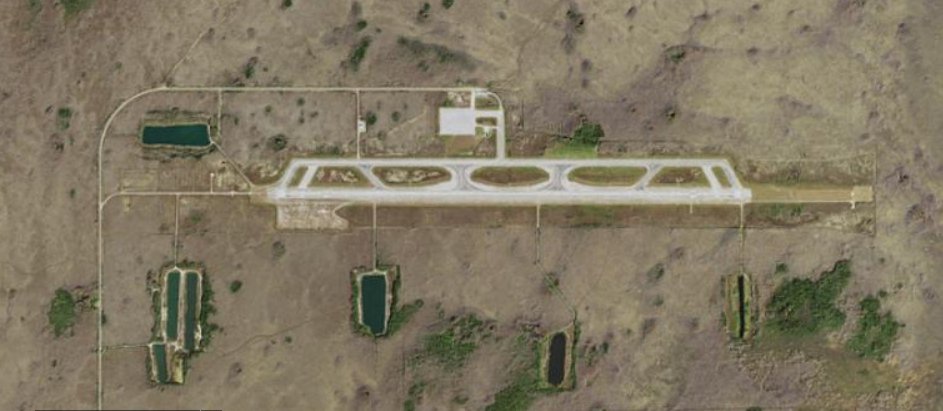
Florida officials told contractors to begin dismantling the Alligator Alcatraz tent detention complex at Dade-Collier Training and Transition Airport on Monday, June 22, 2026, effectively ordering the site's permanent shutdown.[1]
Vendors were given roughly 60 to 90 days to remove tents, fencing and other temporary infrastructure, and the state said it does not plan to repurpose the Everglades site.[1] Many workers have been told their contracts will end as dismantling proceeds, and state officials said they are not planning to expand detention capacity elsewhere to replace the lost beds.[1] Florida is still negotiating with the federal government over the unresolved balance of a $608 million reimbursement request, and no broader settlement has been announced.[1] CBS News Miami also reported that sources say the facility will be closed permanently.[2]
Attorney General James Uthmeier proposed the site in a June 19, 2025 X video. The facility opened July 3, 2025, at Dade-Collier Training and Transition Airport. Environmental groups, including Friends of the Everglades and the Miccosukee Tribe, sued over an alleged failure to conduct required National Environmental Policy Act review, and U.S. District Judge Kathleen Williams ordered operations to wind down in August 2025. The 11th Circuit temporarily stayed that order pending appeal, and further hearings ran into April 2026. Florida submitted the $608 million federal reimbursement request during the litigation while spending heavily on construction and operations.
Supporters argued the site was intended as a temporary response while federal enforcement capacity ramped up. Critics pointed to roughly $1.2 billion in state spending and warned Florida taxpayers could shoulder much of that cost if federal reimbursement is not resolved. Photos and video on social platforms show contractors, trucks and buses actively at the site as dismantling begins.
The mainstream summary does not mention the significant operational context surrounding the Alligator Alcatraz facility, particularly its reported capacity of up to 3,000 people and an average daily population of 1,300-1,800 from late 2025 through March 2026. This detail highlights the facility's role in the broader immigration detention landscape, where ICE held over 73,400 individuals at its peak in January 2026, with numbers remaining above 60,000 through April 2026. This information suggests that the closure of Alligator Alcatraz may have broader implications for the state's immigration enforcement capacity, especially given that Florida operated 38 ICE detention facilities as of March 2026, the second-highest number in the country.[3][4]
Additionally, while the mainstream account frames the closure as a straightforward decision by state officials, social media insights reveal that Florida Attorney General James Uthmeier characterized the facility as always intended to be temporary, suggesting a narrative of shifting federal resources for immigration enforcement. This contrasts with the financial burden highlighted by critics, who argue that Florida taxpayers may ultimately bear the $1.2 billion cost associated with the facility, especially with the unresolved $608 million federal reimbursement request.[5][6].
Show source details & analysis (2 sources)
📊 Relevant Data
ICE held a national average daily population of more than 73,400 people in immigration detention at its January 2026 peak, with populations remaining above 60,000 through April 2026.
ICE Detention Is Down from Its Early-2026 Peak — TRAC Immigration
Florida operated 38 ICE detention facilities as of March 2026, the second-highest number after Texas.
Ten Things Vera's ICE Detention Trends Dashboard Reveals about ICE Detention through March 2026 — Vera Institute of Justice
The Alligator Alcatraz facility had a reported capacity of up to 3,000 people and operated with an average daily population of 1,300-1,800 from late 2025 through March 2026.
Ten Things Vera's ICE Detention Trends Dashboard Reveals about ICE Detention through March 2026 — Vera Institute of Justice
📌 Key Facts
- On Monday, June 22, 2026, Florida officials told contractors and vendors at the Alligator Alcatraz detention center to begin dismantling the sprawling tent complex at Dade-Collier Training and Transition Airport.
- Vendors were given roughly 60 to 90 days to remove tents, fencing and other temporary infrastructure from the Everglades site, and the state indicated it does not plan to repurpose the facility.
- Many workers have been told their contracts will end as the dismantling proceeds, and state officials said they are not planning to expand detention capacity elsewhere to replace the lost beds.
- State officials are still in talks with the federal government over the unresolved balance of Florida's $608 million reimbursement request, and no broader settlement has yet been announced.
- The New York Times published the report containing these details on Tuesday, June 23, 2026 (Central).
📰 Source Timeline (2)
Follow how coverage of this story developed over time
- The New York Times reports that on Monday, June 22, 2026, Florida officials told contractors and vendors at the Alligator Alcatraz detention center to begin dismantling the sprawling tent complex at Dade-Collier Training and Transition Airport.
- According to the article, vendors have been given roughly 60 to 90 days to remove tents, fencing and other temporary infrastructure from the Everglades site, with the state indicating it does not plan to repurpose the facility.
- The Times adds fresh detail on the fate of remaining staff, reporting that many workers have been told their contracts will end as the dismantling proceeds and that state officials are not planning to expand detention capacity elsewhere to replace the lost beds.
- The article notes that state officials are still in talks with the federal government over the unresolved balance of Florida's $608 million reimbursement request and that no broader settlement has yet been announced.