
South Sudan Schedules First National Election For December 22, 2026
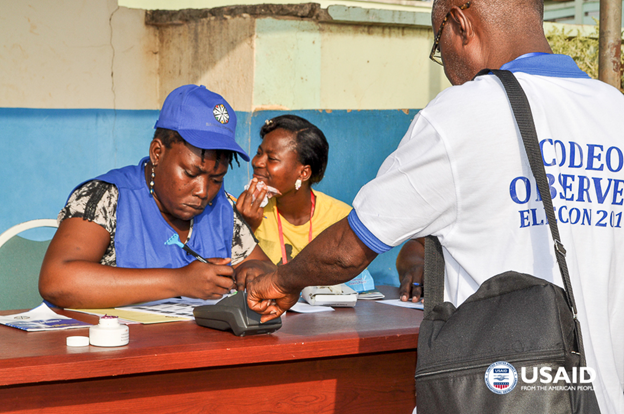
South Sudan's National Elections Commission set December 22, 2026, for the country's first national election since independence, a vote officials say will test the peace process and a tense security environment.[1]
The opposition SPLM-IO said election preparations in areas it controls would be treated as acts of war and warned such actors could become prisoners of war.[1] Riek Machar, its leader and first vice president, remains under house arrest on treason charges and his eligibility to run is unclear.[1] A U.N. inquiry says South Sudan's leaders are systematically dismantling the 2018 peace deal, and the U.N. mission warned of worsening humanitarian conditions.[1] The United States is pressing for renewed peace talks as government forces and opposition troops continue fighting in parts of the country.[1]
The Revitalized Agreement on the Resolution of the Conflict in the Republic of South Sudan was signed on September 12, 2018. It created a transitional government of national unity that took office in February 2020 and set elections at the end of the transition. Parties extended timelines in August 2022 via a roadmap and again in September 2024, postponing votes to December 22, 2026, while extending the transition to February 2027 amid stalled security reforms, an incomplete census, and delays on a permanent constitution.
South Sudan has an estimated population of 12,436,037 as of mid-2026, a scale that will complicate voter registration and logistics across a country still grappling with conflict. Voices on social media hailed the date as historic for the young nation but disputed its legitimacy; some urged it will center President Salva Kiir, while others called for genuine dialogue to avoid renewed violence.
The mainstream summary frames the upcoming election as a test of the peace process, but it overlooks the significant skepticism surrounding the legitimacy of this vote. Critics argue that the election appears orchestrated primarily around President Salva Kiir, raising questions about the viability of opposition candidates like Riek Machar, who remains under house arrest. This perspective highlights a broader concern that the electoral process may not genuinely reflect the will of the people, as many view it as a maneuver to consolidate power rather than a step toward democratic governance. Social media insights reveal that while some celebrate the election date as historic, others emphasize the need for genuine dialogue to avoid renewed violence, indicating a divided public sentiment that the mainstream coverage does not capture.
Additionally, the summary fails to mention the complexities introduced by South Sudan's population of over 12 million, which complicates voter registration and logistics in a country still grappling with conflict. The structural challenges to democratic consolidation, such as the incentives created by power-sharing agreements, further complicate the electoral landscape, suggesting that the upcoming election may not lead to the hoped-for stability and peace. The International Peace Institute's analysis underscores how these arrangements can perpetuate elite power, fostering a political environment that prioritizes personal gain over democratic processes.[2][3][4]
Show source details & analysis (1 source)
📊 Relevant Data
South Sudan has an estimated population of 12,436,037 as of mid-2026.
South Sudan Population (2026) — Worldometer
The 2018 Revitalized Agreement on the Resolution of the Conflict in South Sudan (R-ARCSS) established a transitional period originally set to conclude with elections in 2023, which was later extended multiple times before the December 2026 date.
Instability in South Sudan — Council on Foreign Relations
📌 Key Facts
- On Monday, June 22, 2026, South Sudan’s National Elections Commission set December 22, 2026, for the first general election since 2011 independence.
- Opposition SPLM-IO said election preparations in areas it controls would be treated as acts of war and warned such actors could become prisoners of war.
- Riek Machar remains under house arrest in Juba on treason charges, and his eligibility to run in the December election is unclear.
- A U.N. inquiry says South Sudan’s leaders are systematically dismantling the 2018 peace deal, and the U.N. mission has warned of worsening humanitarian conditions.
- The United States is pressing for renewed peace talks as government forces and opposition troops continue fighting in parts of the country.
📰 Source Timeline (1)
Follow how coverage of this story developed over time