
Senate Panel Advances Bipartisan Bill On NIL Rules And Athlete Transfers
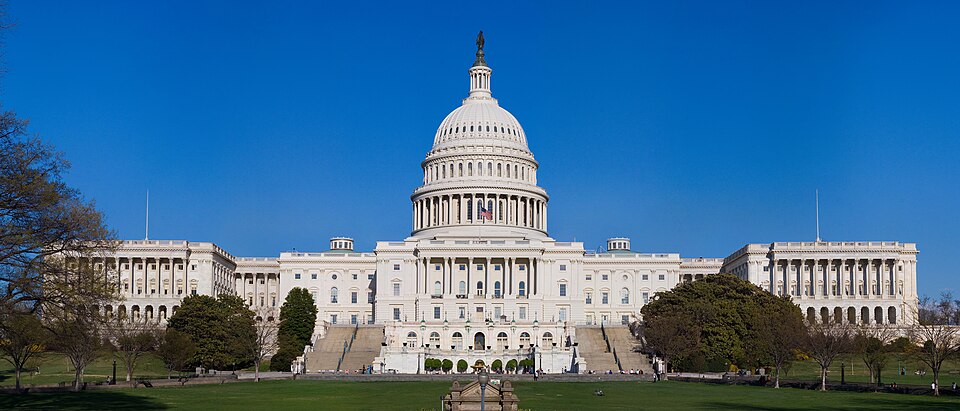
The Senate Commerce Committee approved a bipartisan bill to set national NIL rules and limit penalty-free athlete transfers on Thursday, June 18, 2026, in Washington.[1]
The measure would establish a national payout framework for name, image and likeness deals and limit athletes to one penalty-free transfer during a five-year period.[1] Sen. Maria Cantwell said the bill would increase certainty and protect athletes from predatory contracts, while Sens. Cory Booker and Tommy Tuberville publicly opposed the proposal.[1] The full Senate is expected to debate the legislation in July.[1]
California's Fair Pay to Play Act in September 2019 became the first state law letting college athletes earn money from their name, image and likeness. The Supreme Court's June 2021 decision in NCAA v. Alston struck down limits on education-related compensation, and the NCAA adopted an interim NIL policy in July 2021. Around that time the transfer portal began producing high roster turnover; more than 10,500 college football players entered the portal in the 2026 cycle. A 2025 House v. NCAA settlement permitted direct revenue sharing at many Division I schools, and an April 2026 executive order directed a five-year eligibility window with one penalty-free transfer, prompting senators including Ted Cruz and Maria Cantwell to introduce the Protect College Sports Act in late May 2026 after a June 3 hearing that featured former coach Nick Saban.
Supporters say the bill would end "transfer chaos" and create enforceable NIL standards that protect players and programs. Critics warn the rules could entrench power among big conferences and private interests, and raise concerns that private-equity-like deals could push more games behind paywalls. Nearly 554,298 NCAA student-athletes competed in 2024-25, and Division I programs reported about $20.5 billion in revenue in 2024, framing the high stakes if Congress moves forward.
The mainstream summary frames the legislation as a necessary step to create national standards for NIL deals and limit transfers, but it does not address the significant concerns raised by critics regarding the potential for increased power consolidation among major conferences. For instance, social media insights indicate that the Protect College Sports Act may inadvertently entrench the status quo, allowing wealthier programs to dominate the landscape even further, as highlighted by @DrPhil's observation of NIL evolving into a $2 billion pay-to-play system that has led to unprecedented roster turnover. This perspective suggests that the proposed regulations might not resolve the chaos they aim to address but could instead exacerbate existing inequalities in college athletics.
Moreover, the summary does not mention the broader implications of the NCAA's changing governance landscape. The erosion of NCAA authority over athlete compensation and transfers, as noted by the Texas Tribune, stems from significant legal rulings that have created regulatory gaps, which the new legislation might not adequately fill. This context is crucial for understanding the complexities surrounding the bill and the potential ramifications for student-athletes and college sports as a whole.
Show source details & analysis (1 source)
📊 Relevant Data
There were 554,298 NCAA student-athletes competing in championship sports during the 2024-25 academic year.
A record number of NCAA student-athletes participated in 2024-25 — NCAA.org
Division I athletics programs reported nearly $20.5 billion in total revenue in 2024.
Division I Athletics Finances: 10-Year Trends from 2015 to 2024 — NCAA
More than 10,500 college football players entered the transfer portal across all divisions in the 2026 cycle.
10 numbers breaking down the 2026 college football transfer portal — NCAA.com
📌 Key Facts
- On Thursday, June 18, 2026, the Senate Commerce Committee approved a bipartisan college sports bill addressing NIL compensation and transfers.
- The bill would establish a national NIL payout framework and limit athletes to one penalty-free transfer between schools during a five-year period.
- Sen. Maria Cantwell said the bill would increase certainty and protect athletes from predatory contracts, while Sens. Cory Booker and Tommy Tuberville publicly opposed it.
- The full Senate is expected to debate the legislation in July 2026.
📰 Source Timeline (1)
Follow how coverage of this story developed over time