
Tornadoes Hit Illinois And Iowa As Charleston Declares Emergency
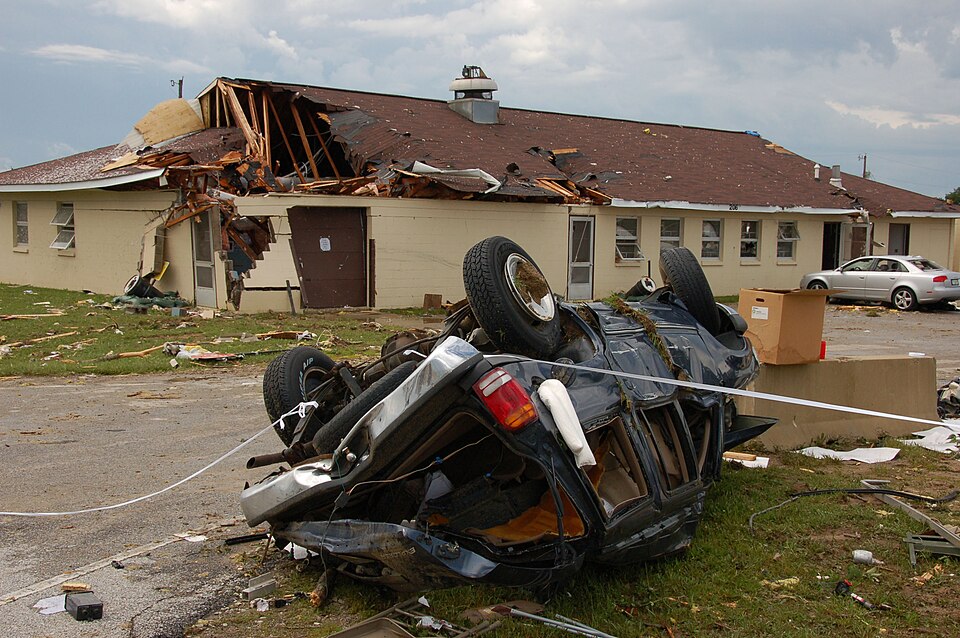
Tornadoes tore through parts of Illinois and Iowa on June 17, 2026, as a twister hit Charleston, Illinois, around 6:40 p.m. Central, prompting a local state of emergency.[1]
A confirmed tornado touched down near Harpers Ferry, Iowa, at 5:10 p.m. Central, officials said.[1] CBS reported at least seven tornadoes during the event and about 55,000 Illinois customers lost power, with extensive tree and power-line damage in Charleston.[1] Cellphone video captured a large tornado near Effingham, where officials reported building and infrastructure damage and internet outages that hindered emergency operations.
The National Weather Service classified the Charleston and Harpers Ferry tornadoes as a "particularly dangerous situation," a rare warning reserved for storms with strong, violent tornado potential.[1] Spotters and social-media footage showed a large, fast-moving twister pushing east at roughly 45 mph, and storm chasers urged residents to take shelter immediately. Local crews began clearing downed trees and working to restore power as officials assessed damage and enforced the emergency order.
The mainstream summary does not mention the broader context of tornado activity in the U.S., which has seen significant changes in patterns over recent decades. A 2024 study found that while the overall number of tornado days has decreased, there has been an increase in severe tornado outbreaks, particularly in the eastern United States, suggesting a trend toward more intense weather events despite fewer occurrences overall. This shift may be related to climate change, as NOAA's 2023 fact sheet indicates a potential increase in off-season tornadoes, although the links to human-caused climate change remain inconclusive. Understanding these patterns can provide critical insight into the severity of the tornadoes that struck Illinois and Iowa, framing them within a larger narrative of changing weather dynamics.[2]
Additionally, while the summary emphasizes the immediate impacts of the tornadoes, it overlooks the significance of the rare "particularly dangerous situation" (PDS) warnings issued by the National Weather Service. Such warnings indicate a heightened risk of severe tornadoes, which can help contextualize the urgency of the situation faced by residents. The urgency was echoed across social media, where users highlighted the destructive potential of the storms and the need for immediate shelter, underscoring the gravity of the weather events beyond just the reported damage. This framing adds depth to the understanding of the tornadoes' impact on communities.[2]
Show source details & analysis (1 source)
📊 Relevant Data
The 1991-2020 average number of tornadoes reported across the United States in June is 212.6.
Monthly Climate Reports | Tornadoes Report | June 2025 — NOAA National Centers for Environmental Information
📌 Key Facts
- On June 17, 2026, a confirmed tornado was reported near Harpers Ferry, Iowa, at 5:10 p.m. Central time.
- A second confirmed tornado moved through Charleston, Illinois, around 6:40 p.m. Central on June 17, 2026, prompting a local state of emergency.
- CBS News reported at least seven tornadoes during the event and about 55,000 Illinois customers without power, with extensive tree and power-line damage in Charleston.
- Cellphone video documented a large tornado near Effingham, Illinois, where officials reported building and infrastructure damage and internet outages hindering emergency operations.
- The National Weather Service classified the Charleston and Harpers Ferry tornadoes as a 'particularly dangerous situation,' a rare warning for strong, violent tornado potential.
📰 Source Timeline (1)
Follow how coverage of this story developed over time