
NOAA Confirms Powerful El Nino Likely To Rank Among Strongest
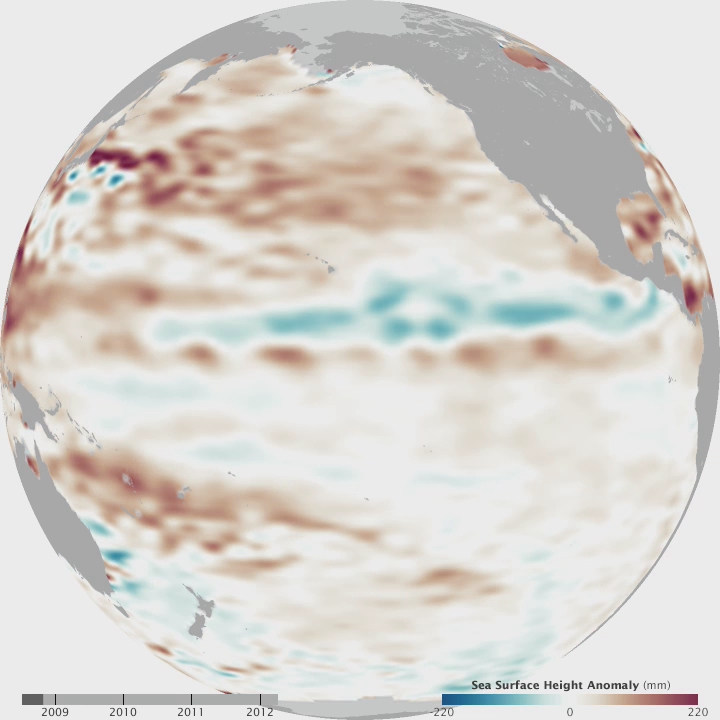
On Thursday, June 11, 2026, NOAA confirmed that El Nino conditions have formed in the equatorial Pacific and said the event is likely to rank among the strongest since 1950.[1]
NOAA estimated a 63% chance the event will reach an intensity that ranks among the largest since 1950, and forecasters said it could rival or exceed the 1997-98 El Nino.[1] Forecasters warned the pattern may mean a milder Atlantic hurricane season, higher storm and flood risk in the Pacific and stronger winter storms across the U.S. South.[1]
NOAA's Climate Prediction Center issued an El Nino Watch on March 12, 2026, after subsurface ocean temperatures in the equatorial Pacific began warming. By mid-May, the center put the odds of El Nino forming in May-July at about 82%. A World Meteorological Organization update on June 2 said sea-surface temperatures were nearing thresholds and gave about an 80% chance for June-August. Some model medians show a peak Oceanic Nino Index above +3.3°C, raising the possibility this could be the strongest El Nino on record if those runs verify. Forecasters also pointed to a predicted mid-June westerly wind burst that could amplify warming beneath the surface.
The three strongest El Nino events since 1950 were 1982-83, 1997-98 and 2015-16. The 1997-98 event was associated with about $5.7 trillion in lost global income from 1997 through 2003, mostly hurting tropical developing countries.
The mainstream summary emphasizes the likelihood of the upcoming El Niño event ranking among the strongest since 1950, but it does not delve into the broader implications of such an event. For instance, while it mentions potential impacts like a milder Atlantic hurricane season and stronger winter storms in the U.S. South, it overlooks the significant economic ramifications associated with previous El Niño events. The 1997-98 El Niño, for example, resulted in an estimated $5.7 trillion in global income losses over five years, predominantly affecting tropical developing countries, a detail that underscores the event's potential severity beyond just weather patterns.[2]
Moreover, the summary does not address the role of anthropogenic climate change in amplifying the effects of this El Niño. Recent analyses suggest that warmer ocean temperatures can enhance the intensity of weather extremes, indicating that the current event could exacerbate challenges like agricultural disruptions and climate-induced migration. This connection highlights the urgency of understanding not just the El Niño phenomenon itself, but also the broader context of climate change that may intensify its impacts.[2]
Show source details & analysis (1 source)
📊 Relevant Data
The three strongest El Niño events since 1950, based on Oceanic Niño Index peak values exceeding 2.0, were 1982-83, 1997-98, and 2015-16.
El Niño and La Niña Years and Intensities — ggweather.com
The 1997-98 El Niño event was associated with $5.7 trillion in global income losses over the following five years, with most impacts in tropical developing countries.
Persistent effect of El Niño on global economic growth — Science
📌 Key Facts
- On Thursday, June 11, 2026, NOAA officially confirmed that El Nino conditions have formed in the equatorial Pacific.
- NOAA estimates a 63% chance this El Nino will reach an intensity that ranks among the largest events since 1950 in late 2026.
- Forecasters say the event is likely to rival or exceed the 1997 El Nino, which was linked to billions of dollars in global damage.
- Scientists expect a milder Atlantic hurricane season but increased Pacific storm risk, stronger U.S. Southern storms and altered winter patterns.
- A Stanford economist reports historical data showing U.S. economic growth slows when temperatures are above normal during strong El Nino years.
📰 Source Timeline (1)
Follow how coverage of this story developed over time