
Trump Opens Parts Of Three Pacific Marine Monuments To Commercial Fishing
President Trump signed a proclamation on Thursday, June 11, 2026, opening parts of three Pacific marine national monuments to commercial fishing.[1]
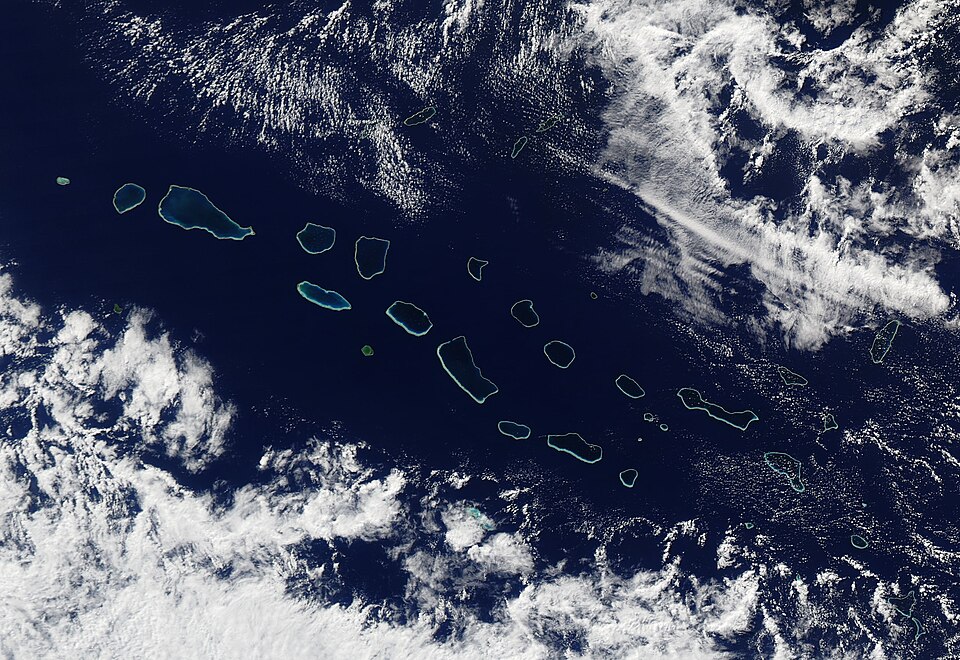
The proclamation affects the Mariana Trench, Papahānaumokuākea and Rose Atoll monuments and reverses earlier protections in parts of those sites.[1] Trump framed the change as a move to boost the U.S. seafood industry, while environmental groups warned it would imperil habitat for rare marine life.[1]
In April 2025, Trump ordered the secretaries of Commerce and the Interior to review marine national monuments and recommend openings to commercial fishing. He also issued a proclamation allowing commercial fishing in the Pacific Islands Heritage Marine National Monument. On February 6, 2026, he signed a proclamation reopening the Northeast Canyons and Seamounts monument off New England to commercial fishing under that same framework. In March 2026, the Western Pacific Regional Fishery Management Council recommended specific reopenings in the region. It proposed 0-50 nautical miles in the Marianas Trench Islands Unit, 12-50 nautical miles at Rose Atoll, and 3-200 nautical miles in Papahānaumokuākea for bottomfish and pelagic fisheries. The council also recommended keeping 0-3 nautical miles and longline fishing shoreward of 50 nautical miles closed. Papahānaumokuākea covers about 583,000 square miles.
The move drew mixed reaction online, with some posts celebrating restored access to roughly one million square miles of Western Pacific waters and others saying protections for all five U.S. marine monuments have been eroded.
The mainstream summary emphasizes the economic rationale behind Trump's proclamation, framing it as a boost to the U.S. seafood industry. However, it overlooks the broader implications of deregulating marine protected areas, which critics argue prioritize short-term economic gains over long-term environmental sustainability. BlueSky users highlighted concerns that all five U.S. marine national monuments have now lost protections, raising alarms about the potential for significant ecological damage as industrial fishing expands across these sites. Additionally, while the summary notes the reopening of specific zones, it does not mention the Western Pacific Regional Fishery Management Council's recommendation to keep certain areas closed, which reflects ongoing debates about balancing economic interests with conservation efforts.
Moreover, the mainstream account fails to provide context on the scale of the U.S. commercial fisheries and seafood industry's economic impact, which generated $173.4 billion in sales and supported 1.4 million jobs in 2023. This data suggests that while the proclamation may be framed as a necessary economic move, it also raises questions about the sustainability of such practices in light of the significant contributions of marine ecosystems to the economy. The nuanced perspectives from social media indicate a divided public sentiment, with some celebrating the reopening of waters while others express deep concern for the ecological consequences of such decisions.[2][3][4]
Show source details & analysis (1 source)
📊 Relevant Data
The Western Pacific Regional Fishery Management Council recommended reopening specific zones including 0-50 nautical miles in the Marianas Trench Islands Unit, 12-50 nautical miles at Rose Atoll (Muliava), and 3-200 nautical miles in Papahānaumokuākea (bottomfish and pelagic fisheries only), while keeping 0-3 nautical miles in Papahānaumokuākea and longline fishing shoreward of 50 nautical miles closed.
Press Release-WP Council Takes Final Action on Commercial Fishing Access in Pacific Marine National Monuments — Western Pacific Regional Fishery Management Council
Papahānaumokuākea Marine National Monument encompasses approximately 583,000 square miles.
Pacific Marine Monuments — Marine Conservation Institute
U.S. commercial fisheries and seafood industry generated $173.4 billion in sales impacts and supported 1.4 million full- and part-time jobs in 2023.
Fisheries Economics of the United States 2023 — NOAA Fisheries
📌 Key Facts
- On Thursday, June 11, 2026, President Trump signed a proclamation opening parts of three Pacific marine national monuments to commercial fishing.
- The affected monuments are the Mariana Trench, Papahanaumokuakea and Rose Atoll Marine National Monuments, previously closed as protected zones.
- Trump framed the change as a measure to boost the U.S. seafood industry, while environmental groups warned it endangers habitat for rare sea life.
- The action follows a February 2026 move to restore commercial fishing in the Northeast Canyons and Seamounts Marine National Monument off New England.
📰 Source Timeline (1)
Follow how coverage of this story developed over time