
Trump And EPA Loosen Biden-Era Refrigerant Rules, Sparking Industry Price Concerns
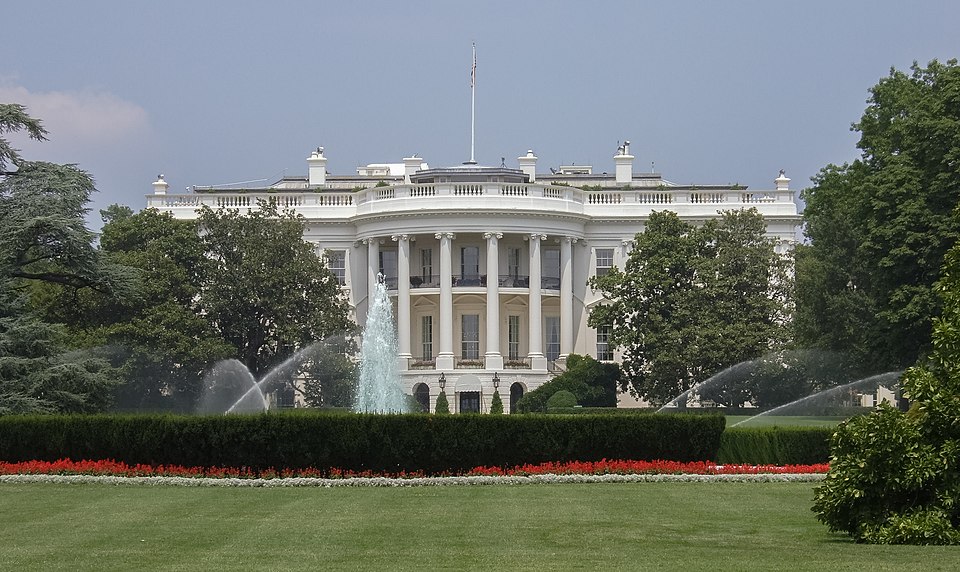
President Trump signed an executive order at the White House on Thursday, May 21, 2026, loosening EPA rules that had required grocery stores and air-conditioning companies to cut greenhouse-gas emissions from cooling equipment.[1]
At a White House ceremony, Trump said the change would substantially lower consumer costs and protect hundreds of thousands of jobs.[2] He also claimed it would save Americans more than $2 billion a year and cited 3.8% annual inflation in April 2026.[2] EPA Administrator Lee Zeldin described the administration's broader environmental agenda with a phrase reported as putting a "dagger through the heart of climate change religion." MS NOW
The decision reverses course from the American Innovation and Manufacturing Act that Mr. Trump signed in 2020.[2] That law committed the United States to a rapid phaseout of hydrofluorocarbons to align with an international agreement.[2] Industry groups said many manufacturers already redesigned equipment, retooled factories and retrained workers for next-generation refrigerants.[2] The Air-Conditioning, Heating and Refrigeration Institute warned that extending HFC phaseout deadlines while supplies remain tight will likely raise refrigerant service costs and consumer prices.[2]
PBS carried live coverage earlier on Thursday as the White House prepared to announce the rule change.[3] CBS framed the action as a rollback of a Biden-era environmental rule on cooling units.[1]
The mainstream summary presents the rollback of refrigerant rules as a straightforward benefit to consumers, suggesting significant cost savings and job protection. However, Matthew Yglesias critiques this framing, arguing that the invocation of 'affordability' serves as a rhetorical shield for deregulation rather than a genuine concern for consumer welfare. He contends that the promised savings may not materialize due to existing industry investments and supply chain realities, potentially leading to increased service costs instead. This perspective highlights a crucial nuance that the mainstream account overlooks: the long-term public costs associated with environmental deregulation, which are often ignored in favor of short-term price reductions.
Moreover, while the summary includes claims from Trump and the EPA about job protection and cost savings, it fails to address the skepticism from industry groups, such as the Air-Conditioning, Heating and Refrigeration Institute, which warns that the rollback could actually raise consumer prices in a tight supply environment. This contradiction suggests that the narrative of consumer benefit is more complex than presented, emphasizing the need for a deeper examination of the trade-offs involved in such regulatory changes.[4]
Show source details & analysis (3 sources)
📌 Key Facts
- On Thursday, May 21, 2026, President Trump signed an executive order loosening federal rules that had required grocery stores and air‑conditioning companies to reduce greenhouse‑gas emissions from cooling equipment.
- The administration, via the EPA, loosened refrigerant rules and at a White House ceremony Trump said the move would substantially lower consumer costs, claiming it would protect hundreds of thousands of jobs and save Americans more than $2 billion a year while citing 3.8% annual inflation in April 2026.
- CBS framed the action as a rollback of a Biden‑era environmental rule on cooling units, explicitly describing the change as reversing prior‑administration policy.
- The decision reverses course from the 2020 bipartisan American Innovation and Manufacturing Act, which committed the U.S. to a rapid phaseout of hydrofluorocarbons (HFCs) aligned with an international agreement.
- The Air‑Conditioning, Heating and Refrigeration Institute, representing more than 330 HVAC and commercial refrigeration manufacturers, warned that extending HFC phaseout compliance deadlines while supplies keep falling will likely increase refrigerant service costs and consumer prices.
- Industry groups said many manufacturers have already redesigned equipment, retooled factories and retrained workers for next‑generation refrigerants, and warned that reversing course now 'injects uncertainty across the market.'
- EPA Administrator Lee Zeldin has characterized the administration’s broader environmental agenda as putting a 'dagger through the heart of climate change religion,' a phrase cited to contextualize this deregulatory move.
📊 Analysis & Commentary (1)
"The Slow Boring piece critiques the rhetorical use of 'affordability' — mocking how the Trump administration and EPA frame a refrigerant‑rule rollback as a consumer cost win — and argues the claim is misleading, politically expedient, and likely to produce worse outcomes than targeted policies would."
📰 Source Timeline (3)
Follow how coverage of this story developed over time
- On Thursday, May 21, 2026, the Trump administration, via EPA, loosened federal rules requiring grocery stores and air-conditioning companies to reduce greenhouse gas emissions from cooling equipment, with Trump saying at a White House ceremony the move would substantially lower consumer costs.
- Trump tied the EPA action to voter concerns over inflation, citing 3.8% annual inflation in April 2026 and claiming the change would protect hundreds of thousands of jobs and save Americans more than $2 billion a year.
- The Air-Conditioning, Heating and Refrigeration Institute, representing over 330 HVAC and commercial refrigeration manufacturers, warned that extending HFC phaseout compliance deadlines while supplies keep falling will likely increase refrigerant service costs and consumer prices.
- Industry groups noted many manufacturers have already redesigned equipment, retooled factories and retrained workers for next-generation refrigerants, and said reversing course now "injects uncertainty across the market."
- The article highlights that Trump’s move reverses course from a 2020 bipartisan law he signed, the American Innovation and Manufacturing Act, which committed the U.S. to a rapid HFC phaseout aligned with an international agreement.
- EPA Administrator Lee Zeldin has described the administration’s broader environmental agenda as putting a "dagger through the heart of climate change religion," a phrase cited to characterize the larger deregulatory push of which this rule change is a part.
- CBS reports that on Thursday, May 21, 2026, President Trump signed an executive order that loosens a federal rule requiring grocery stores and air conditioning companies to reduce greenhouse gas emissions from cooling equipment.
- The CBS segment characterizes the affected regulation as a Biden-era environmental rule on cooling units, confirming the rollback is framed explicitly as reversing prior administration policy.
- Article timestamp indicates the executive order was signed earlier on May 21, 2026, aligning with and concretizing the timing described in prior coverage as a same-day White House announcement.