
House Debate And Minnesota Law Showcase Emerging Crackdown On Prediction Markets
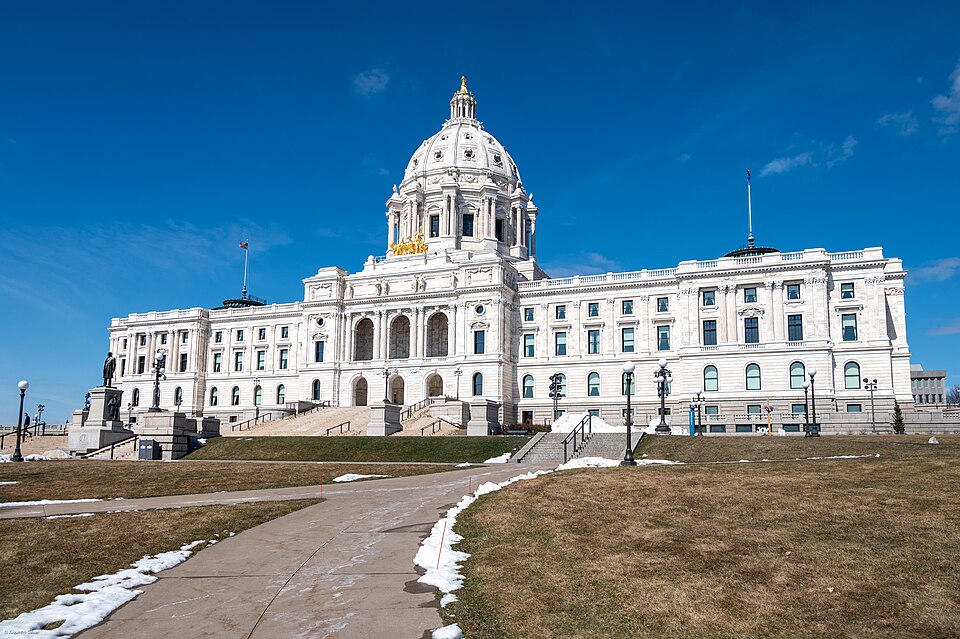
Minnesota Gov. Tim Walz on Tuesday, May 19, 2026, signed a law banning online prediction markets from operating or advertising in the state.[1]
The statute criminalizes hosting or advertising markets that allow wagers on sports, elections, weather, entertainment and even specific word choices, and it targets services that help users evade the ban, including some VPN tools.[2] The law takes effect in August 2026 and would require platforms such as Kalshi and Polymarket to stop serving Minnesota users or face potential felony charges.[2]
Lawmakers in the House weighed a federal ban but ultimately held off amid bipartisan calls for prohibition.[3] On Wednesday, May 20, 2026, a Senate Commerce subcommittee pressed sportsbook and prediction-market executives about cheating scandals, aggressive marketing and whether markets threaten state sovereignty.[4]
The Minnesota action lands as the National Conference of State Legislatures says seven other states have introduced bills targeting prediction markets, and as the Commodity Futures Trading Commission has filed lawsuits against five states seeking to block local restrictions.[2] Industry officials call the law unlawful and warn it will push activity offshore, while legal experts say the statute is likely to prompt constitutional and preemption fights in court.[1]
Show source details & analysis (4 sources)
📌 Key Facts
- On Tuesday, May 19, 2026, Minnesota Gov. Tim Walz signed a law making Minnesota the first state to ban online prediction markets from operating or advertising statewide.
- The Minnesota statute criminalizes hosting or advertising prediction markets — defined to include wagers on sports, elections, weather, entertainment, specific word choices and world affairs — and also targets services that help users circumvent the ban, including certain VPN‑based access tools.
- The law takes effect in August 2026 and would require platforms such as Kalshi and Polymarket to stop serving Minnesota users or face potential felony charges.
- The statute includes carve‑outs for [event contracts] that function as insurance against harm or loss and exempts purchases of securities and other commodities.
- Kalshi spokeswoman Elisabeth Diana called the Minnesota ban a "blatant violation" of the law, likening it to banning the New York Stock Exchange and warning it could reduce competition and drive activity offshore, while sponsor Rep. Emma Greenman said the state should set gambling rules to protect public safety and children.
- The National Conference of State Legislatures reports seven other states have introduced bills targeting prediction markets (with Hawaii and North Carolina considering statewide bans), even as the Commodity Futures Trading Commission has filed federal lawsuits against five states seeking to override state restrictions.
- On Wednesday, May 20, 2026, a Senate Commerce subcommittee hearing pressed sportsbook and prediction‑market executives on cheating scandals, aggressive marketing and regulatory gaps, with chair Sen. Ted Cruz framing core questions about preserving sports integrity and whether prediction markets infringe on state sovereignty.
- At that hearing, witnesses including former Rep. Patrick McHenry, American Gaming Association CEO Bill Miller and Public Health Advocacy Institute director Harry Levant testified on age limits, industry regulation and addiction, and senators noted that 39 states and Washington, D.C., now allow mobile sports betting while U.S. sports‑betting revenue reached $16.96 billion in 2025.
📰 Source Timeline (4)
Follow how coverage of this story developed over time
- On Wednesday, May 20, 2026, a Senate Commerce subcommittee held a hearing where lawmakers questioned sportsbook and prediction market executives about cheating scandals, aggressive marketing, and regulatory issues.
- Committee chair Sen. Ted Cruz framed two core questions for the hearing: how to preserve sports integrity in a legal-betting environment and whether prediction markets are operating legally or infringing on state sovereignty.
- Sen. Cruz cited recent alleged game-tampering cases, including two MLB pitchers accused of taking bribes and canceled UFC fights tied to suspected match fixing, as evidence of integrity risks.
- Sen. John Hickenlooper raised concerns that prediction market platforms' social media advertising can reach young users vulnerable to problem gambling.
- Former Rep. Patrick McHenry, now a senior adviser for the Coalition for Prediction Markets, testified that prediction markets bar users under 18 and have an average user age of 33, while sportsbooks require bettors to be 21.
- American Gaming Association CEO Bill Miller told senators that online gambling is already one of the most highly regulated U.S. industries and described it as an 'essential part' of the economy.
- Public Health Advocacy Institute gambling-policy director Harry Levant testified about his own gambling addiction and framed the issue as part of a broader addiction crisis requiring prevention and oversight.
- The hearing highlighted that 39 states and Washington, D.C., now allow some form of mobile sports betting following a 2018 Supreme Court decision, and that U.S. sports betting revenue reached a record $16.96 billion in 2025.
- On Tuesday, May 19, 2026, Minnesota Governor Tim Walz signed a law that makes Minnesota the first state to ban online prediction markets from operating or advertising statewide.
- The Minnesota statute criminalizes hosting or advertising prediction markets and also targets services that help users circumvent the law, including certain VPN-based access tools.
- The law explicitly applies to markets allowing bets on sports, elections, weather, entertainment, word choices and world affairs, while carving out insurance-like event contracts and traditional securities and commodities.
- Platforms such as Kalshi and Polymarket will be required to stop serving Minnesota users by the August 2026 effective date or face potential felony charges.
- Industry executives and legal experts expect constitutional and preemption challenges, and the article notes that ongoing Commodity Futures Trading Commission litigation against several states could shape how Minnesota’s ban is tested in court.
- On Tuesday, May 19, 2026, Minnesota Gov. Tim Walz signed a law making Minnesota the first state to ban prediction market sites from operating in the state.
- The law criminalizes hosting or advertising a prediction market defined as allowing wagers on future outcomes such as sports, elections, weather, live entertainment, specific word choices, and world affairs, and it also prohibits services that help users circumvent the ban, including VPNs used to disguise location.
- The statute is set to take effect in August 2026 and would force platforms such as Kalshi and Polymarket to cease serving Minnesota users or face potential felony charges.
- The law includes carve-outs for event contracts functioning as insurance against harm or loss and for purchases of securities and other commodities.
- Minnesota Rep. Emma Greenman sponsored the measure and said the state should decide what gambling regulations are needed to protect public safety and children.
- The National Conference of State Legislatures reports that seven other states have introduced bills targeting prediction markets, with Hawaii and North Carolina considering statewide bans.
- The article notes an existing national legal battle over jurisdiction in which the Commodity Futures Trading Commission has filed federal lawsuits against five states, including Arizona, Wisconsin and New York, seeking to override state efforts to regulate or restrict prediction markets.
- Kalshi spokeswoman Elisabeth Diana called the Minnesota ban a "blatant violation" of the law and likened banning prediction markets to banning the New York Stock Exchange, arguing it will reduce competition and drive activity offshore.
- Legal experts, including Washington and Lee law professor Melinda Roth, say the industry has pursued a "too big to fail" strategy and has become mainstream, predicting a significant legal fight over the Minnesota statute.