
Early Trial Shows Pancreatic Cancer Pill Daraxonrasib Controls Disease In Most Patients
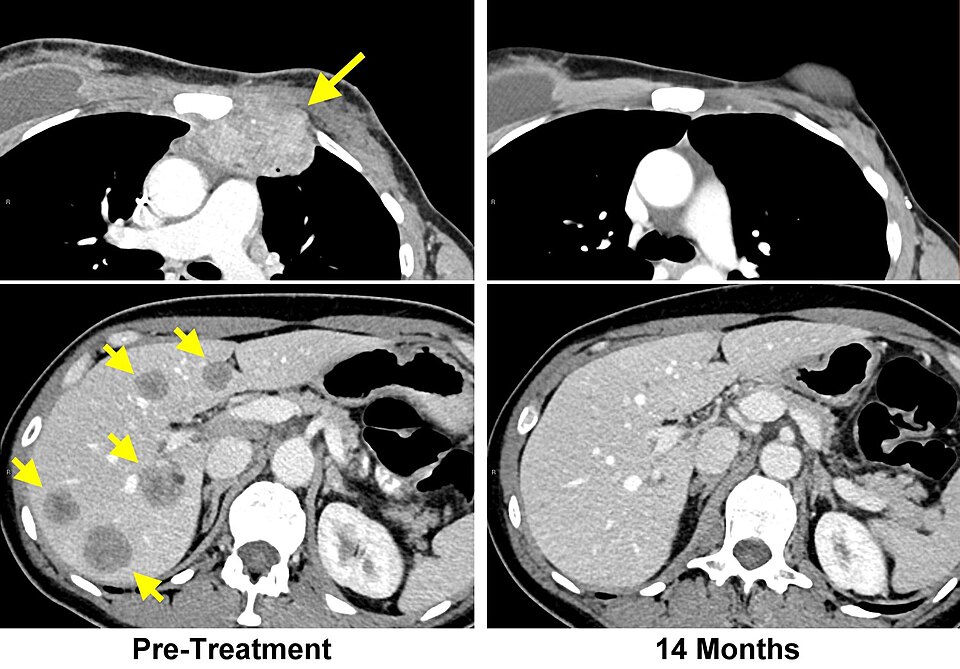
Researchers announced early phase 1/2 trial results showing the experimental oral drug daraxonrasib controlled disease in roughly 90% of patients with advanced, RAS-mutant pancreatic cancer.[1]
At the 300-milligram daily dose chosen for larger trials, about 30% of patients had a positive tumor response while roughly 90% experienced disease control (shrinkage or stabilization).[1] Reported side effects included rash, mouth inflammation, nausea and diarrhea, and investigators said most patients managed these with supportive care without stopping treatment.[1]
The phase 1/2 trial enrolled 168 patients with advanced pancreatic cancer and RAS gene mutations, all previously treated with at least one chemotherapy regimen.[1] Researchers cautioned the study lacked a randomized control arm, so the results do not yet prove daraxonrasib is superior to chemotherapy, and larger phase 3 trials are planned.[1]
Show source details & analysis (1 source)
📌 Key Facts
- The phase 1/2 clinical trial enrolled 168 patients with advanced pancreatic cancer and RAS gene mutations, all previously treated with at least one chemotherapy regimen.
- At the 300-milligram daily dose chosen for larger trials, about 30% of patients had a positive tumor response, while roughly 90% experienced disease control (shrinkage or stabilization).
- Reported side effects included rash, mouth inflammation, nausea and diarrhea; investigators said most patients managed these with supportive care without stopping treatment.
- Researchers emphasized the study lacked a randomized control arm, so it does not yet prove daraxonrasib is superior to chemotherapy, and larger phase 3 trials are planned.
📰 Source Timeline (1)
Follow how coverage of this story developed over time