
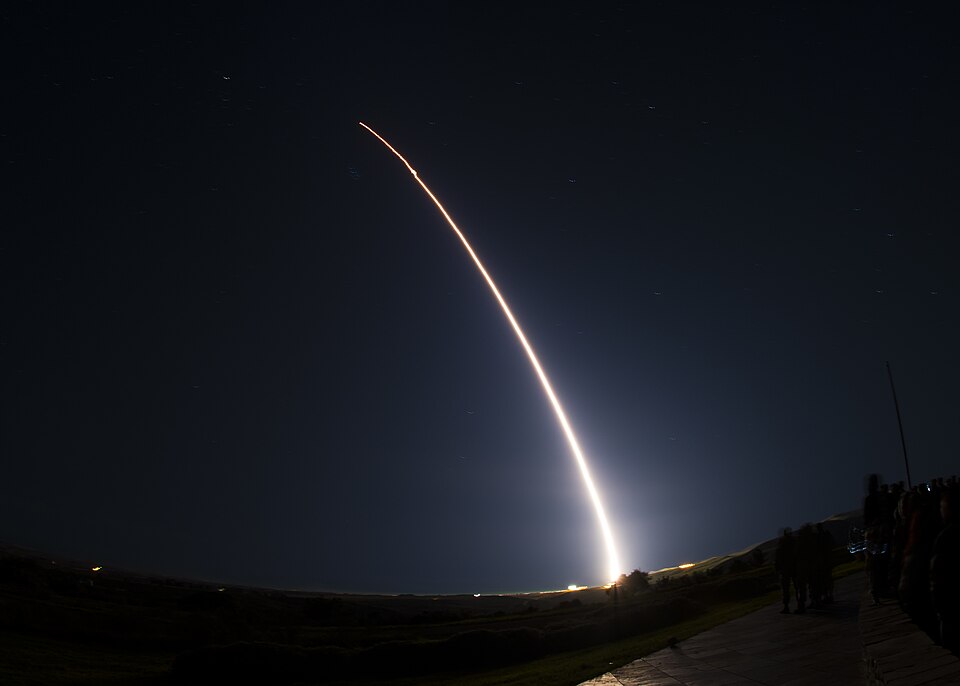
Russia Test-Launches Sarmat ICBM As Putin Hails It Most Powerful
Russia test-fired the nuclear-armed Sarmat intercontinental ballistic missile on Tuesday, May 12, 2026, a launch President Vladimir Putin called the world's most powerful and that raises arms-control concerns.[1]
Putin said Sarmat is designed to replace the Soviet-era Voyevoda ICBM.[2] He hailed it as "the most powerful missile in the world" and claimed its combined warhead power is more than four times that of any Western counterpart.[2] Russian state media and Kremlin statements accompanied the test, and earlier coverage noted Sarmat can fly suborbitally with a claimed range of more than 35,000 kilometers, a capability intended to help it bypass missile defenses.[1]
Sarmat's development began in 2011 and, before this week, had recorded only one known successful test and a high-profile failed test in 2024 that produced a massive explosion.[1] The launch comes as Russia pursues a broad nuclear modernization that includes Avangard hypersonic glide vehicles, the nuclear-capable Oreshnik missile used conventionally in Ukraine, and the Poseidon and Burevestnik programs.[1]
The last remaining U.S.-Russia nuclear arms pact expired in February 2026, leaving no treaty limits on either side's arsenals for the first time in more than 50 years.[1]
Show source details & analysis (2 sources)
📌 Key Facts
- NPR confirms Russia test-fired the nuclear-armed Sarmat intercontinental ballistic missile on Tuesday, May 12, 2026, as part of a broader effort to modernize its nuclear forces.
- President Vladimir Putin said Sarmat is designed to replace the Soviet-era Voyevoda ICBM and hailed it as "the most powerful missile in the world," claiming its combined warhead power is more than four times that of any Western counterpart.
- Sarmat development began in 2011; NPR notes only one prior known successful test and reports a massive explosion during a failed 2024 test.
- NPR reports Sarmat is claimed to be capable of suborbital flight with a range of more than 35,000 kilometers (21,700 miles), intended to enhance its ability to penetrate missile defenses.
- The test is situated within Russia's wider nuclear modernization, which NPR says includes Avangard hypersonic glide vehicles already in service, the nuclear-capable Oreshnik intermediate-range missile used conventionally in Ukraine, and ongoing development of the Poseidon underwater drone and the Burevestnik nuclear-powered cruise missile.
- NPR underscores that the last remaining U.S.-Russia nuclear arms pact expired in February 2026, leaving no treaty caps on their arsenals for the first time in more than 50 years.
📰 Source Timeline (2)
Follow how coverage of this story developed over time
- NPR confirms Russia test-fired the nuclear-armed Sarmat intercontinental ballistic missile on Tuesday, May 12, 2026, as part of a broader effort to modernize its nuclear forces.
- Putin said Sarmat is designed to replace the Soviet-era Voyevoda ICBM and reiterated that it is 'the most powerful missile in the world,' claiming its combined warhead power is more than four times that of any Western counterpart.
- The article highlights that Sarmat development began in 2011 and notes only one prior known successful test plus a reported massive explosion in a failed 2024 test.
- NPR adds detail that Sarmat is capable of suborbital flight with a claimed range of more than 35,000 kilometers (21,700 miles), intended to enhance its ability to penetrate missile defenses.
- The piece situates the test within Russia's wider nuclear modernization, mentioning Avangard hypersonic glide vehicles already in service, the nuclear-capable Oreshnik intermediate-range ballistic missile used conventionally against Ukraine, and ongoing development of the Poseidon underwater drone and Burevestnik nuclear-powered cruise missile.
- It underscores that the last remaining U.S.-Russia nuclear arms pact expired in February 2026, leaving no treaty caps on their arsenals for the first time in over 50 years.