
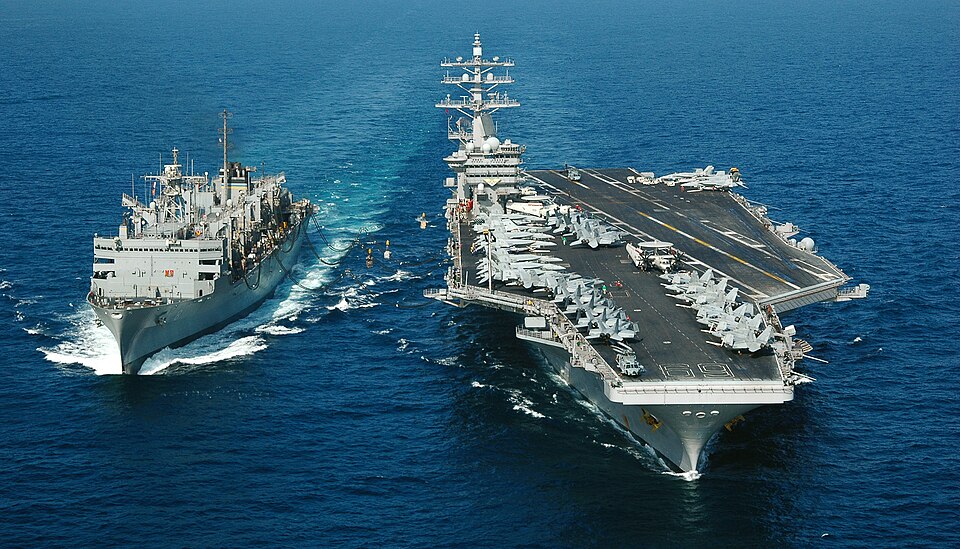
U.S. Leads Record Balikatan Drill Near Taiwan And South China Sea
The U.S. and seven allied nations concluded their largest-ever Balikatan military exercises in the Philippines on Friday, May 8, 2026, testing new weapons and joint tactics near key Asian flash points.
The nearly three-week drill on Luzon involved more than 17,000 troops from the U.S., Philippines, Japan, France, Canada, Australia and New Zealand practicing amphibious defense, long-range fires and integrated sensing and strike capabilities. U.S. commanders used the exercise to demonstrate a "see, sense, strike and protect" approach meant to deter attacks on the Philippines and support wider defense of the first island chain.
Japan sent combat troops to Balikatan for the first time and fired an anti-ship missile at a decommissioned Philippine corvette, reflecting Tokyo's move away from postwar military limits. China condemned the exercises as destabilizing and dispatched its own naval task force to conduct live-fire drills east of Luzon, underscoring the region's rising tensions.
Show source details & analysis (1 source)
📌 Key Facts
- Balikatan 2026 concluded Friday, May 8, 2026, after nearly three weeks of drills on Luzon, Philippines.
- More than 17,000 troops from the U.S., Philippines, Japan, France, Canada, Australia and New Zealand participated.
- Exercises included amphibious defense with drone boats, rocket artillery and beachhead sensors aimed at repelling a notional assault.
- Japan for the first time sent combat troops and fired an anti-ship missile in the Philippines during the drill.
- China condemned the drills and conducted its own live-fire naval exercises east of Luzon in response.
📰 Source Timeline (1)
Follow how coverage of this story developed over time