
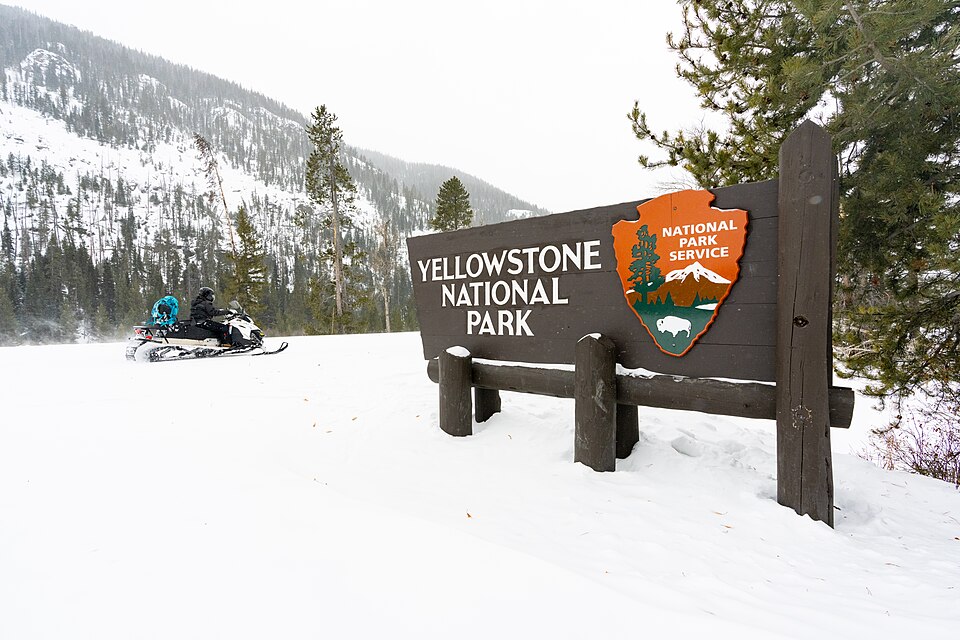
Interior Order Rolls Back Hunting Restrictions In Dozens Of U.S. Parks
Interior Secretary Doug Burgum issued an order in January 2026 directing agencies to remove "unnecessary" barriers to hunting and fishing on department-managed lands, affecting 55 National Park Service sites in the contiguous United States.
Managers at some affected sites have already lifted prohibitions on damaging tree stands, training hunting dogs, using vehicles to retrieve animals, and hunting along trails. Regulatory changes underway include extended hunting seasons at Cape Cod National Seashore, new allowances to clean game in restrooms at Lake Meredith National Recreation Area, and an authorization to hunt alligators at Jean Lafitte National Historical Park and Preserve.
The episode traces back to policy moves under the Trump administration, when Interior Secretary Ryan Zinke issued Secretarial Order 3356 in 2017 to expand hunting and fishing opportunities on public lands. Those changes produced expanded access on national wildlife refuges in 2019 and a 2020 National Park Service rule that allowed practices such as bear baiting in Alaska preserves; the Biden administration overturned that Alaska rule in 2024. Mainstream coverage has said hunting participation has declined for decades, but federal survey results show hunters aged 16 and older rose from 11.5 million in 2016 to 14.4 million in 2022, and supporters point to funding links such as the Pittman-Robertson Wildlife Restoration Act, which generated nearly $1 billion for states in fiscal year 2024.
Supporters, including hunting groups and some state officials, say the order removes bureaucratic barriers and boosts license and excise-tax revenues that support conservation. Critics, including environmentalists and public-safety advocates, warn the rollbacks could endanger hikers, encourage risky practices, and strain sensitive habitats during fire season.
Mainstream coverage frames the increase in hunting participation as a positive trend, citing federal survey results that show hunters aged 16 and older rose from 11.5 million in 2016 to 14.4 million in 2022. However, a 2025 study by Mohr et al. in the Wildlife Society Bulletin argues that this increase masks deeper issues, including demographic shifts and urbanization that threaten the sustainability of hunting as a recreational activity. The summary does not address the potential long-term challenges posed by these trends, which could undermine the very funding mechanisms that support conservation efforts.
While the summary acknowledges the concerns of critics regarding public safety and environmental risks, it does not capture the broader implications of the order on wildlife conservation funding. According to a 2021 paper by Lincoln R. Larson et al. in Human Dimensions of Wildlife, declining hunting participation could jeopardize the 'user-pay, public benefit' model that funds state wildlife agencies. This perspective highlights the complexity of the issue, suggesting that while the order may boost short-term hunting revenues, it could ultimately threaten the long-term viability of conservation funding as fewer hunters participate in the sport.
Show source details & analysis (1 source)
📊 Relevant Data
The number of hunters aged 16 and older in the United States increased from 11.5 million in 2016 to 14.4 million in 2022.
Report Offers a Snapshot of Hunters and Anglers in the U.S. — U.S. Fish & Wildlife Service
The Pittman-Robertson Wildlife Restoration Act provided nearly $1 billion in funding to states for wildlife conservation in 2024, generated from excise taxes on firearms, ammunition, and archery equipment.
Hunter-Driven Pittman-Robertson Act Provides Nearly $1 Billion in Conservation Funding in 2024 — NRA Hunters' Leadership Forum
The National Park Service recorded 331.9 million recreation visits across its sites in 2024.
The National Park Service saw a slight decline in the number of visitors from 2024 to 2025 — WBIR Channel 10 (Facebook)
There were 47 hunting-related fatalities in the United States in 2022.
📌 Key Facts
- In January 2026, Interior Secretary Doug Burgum issued an order instructing agencies to remove 'unnecessary' barriers to hunting and fishing on department-managed lands.
- The order applies to 55 National Park Service sites in the contiguous United States, as identified by the National Parks Conservation Association.
- Regulatory changes already underway include extended hunting seasons at Cape Cod National Seashore, new allowances for cleaning game in restrooms at Lake Meredith National Recreation Area, and authorization to hunt alligators at Jean Lafitte National Historical Park and Preserve.
- Managers at some sites have lifted prohibitions on damaging tree stands, training hunting dogs, using vehicles to retrieve animals, and hunting along trails.
📰 Source Timeline (1)
Follow how coverage of this story developed over time