
U.S., Mexico Interdict Nearly One Ton Of Cocaine In Pacific Raid
U.S. and Mexican forces intercepted nearly one ton of cocaine in the Pacific on or before May 6, 2026, after U.S. Customs and Border Protection air assets spotted a go-fast boat off Mexico.
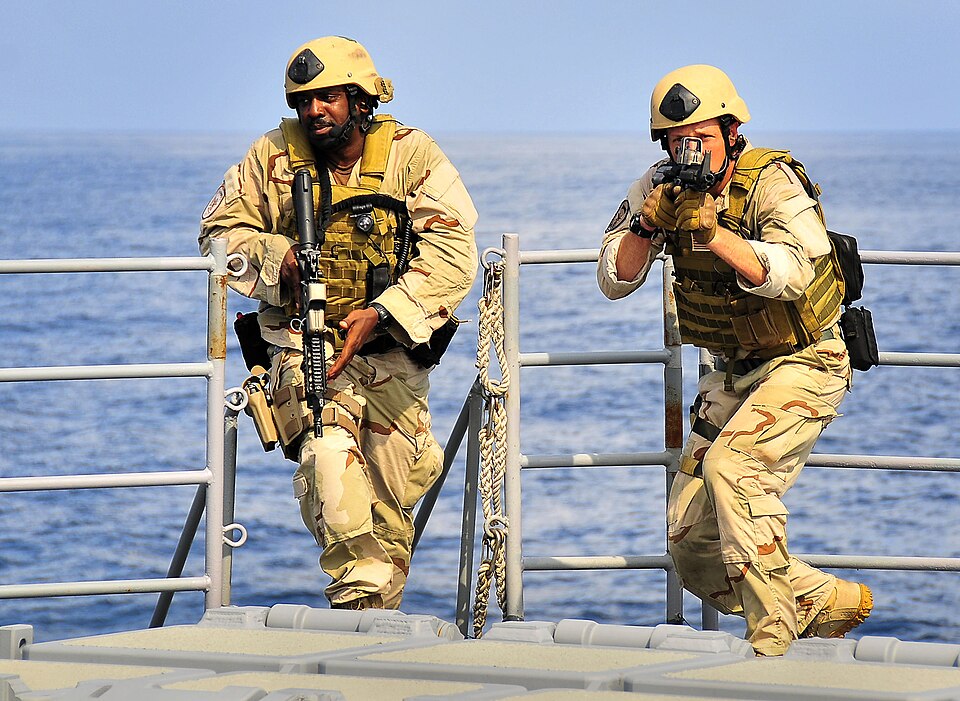
Mexican Marines fast-roped onto the suspect vessel while other navy personnel recovered dozens of packages the crew allegedly threw into the ocean. The Mexican navy recovered about 1,990 pounds of cocaine. In a separate Pacific operation near Guerrero, naval forces seized 22 cocaine packages and rescued 11 shipwrecked people; the rescued people received medical care and were turned over to immigration authorities. Other operations found seven packages and three stowaways on a container ship in Manzanillo and 34 packages later destroyed on the Oaxacan coast.
The interdictions come after months of stepped-up U.S.-Mexico maritime cooperation under President Claudia Sheinbaum. The effort intensified after the United States launched Operation Pacific Viper in August 2025, a joint U.S. Coast Guard and Navy program that coordinated with partners including the Mexican navy. By December 2025 that coordinated push had helped seize more than 150,000 pounds of cocaine, and the Mexican navy says it has taken 65.5 tons of illicit cocaine during the current administration.
Public and official responses reflected that cooperation. Mexican and U.S. accounts hailed the joint work, while some voices online questioned what happens to seized drugs after confiscation and called for transparency on disposition. The U.S. Coast Guard's fiscal year 2025 haul — more than 501,000 pounds of cocaine — underscores how aggressively maritime interdiction has increased in the region.
The mainstream summary emphasizes the recent successes of U.S.-Mexico maritime cooperation, particularly under President Claudia Sheinbaum, but it overlooks the broader context of ongoing challenges in the fight against drug trafficking. For instance, while the summary notes the significant cocaine seizures, it does not mention that global cocaine production surged by 34% from 2022 to 2023, indicating an escalating problem that may outpace current interdiction efforts. This increase in production corresponds with a rise in worldwide cocaine users, from 17 million a decade ago to 25 million in 2023, suggesting that despite heightened enforcement, demand continues to drive the drug trade.
Moreover, the summary fails to address critical concerns raised on social media regarding the fate of seized narcotics. Users have expressed skepticism about whether confiscated drugs are genuinely destroyed or if they might be returned to cartels, reflecting a lack of public trust in the handling of these operations. This skepticism is compounded by structural issues such as corruption and impunity that enable drug trafficking, as highlighted by the Congressional Research Service. These factors suggest that while the operational successes are noteworthy, they may not significantly disrupt the entrenched systems that sustain drug cartels and their violence.
Show source details & analysis (1 source)
📊 Relevant Data
The current Mexican administration under President Claudia Sheinbaum began on October 1, 2024.
Presidency of Claudia Sheinbaum — Wikipedia
In fiscal year 2025, the U.S. Coast Guard seized over 501,000 pounds of cocaine, more than three times the annual average of 167,000 pounds.
Coast Guard sets historic record with amount of cocaine seized in FY25 — U.S. Coast Guard
Global cocaine production increased by 34% from 2022 to 2023, with an estimated 25 million people using cocaine worldwide in 2023, up from 17 million a decade earlier.
Cocaine Is the Fastest-Growing Illegal Drug Worldwide — The New York Times
📌 Key Facts
- On or before May 6, 2026, CBP air assets spotted a go-fast boat in the Pacific off Mexico, leading to seizure of about 1,990 pounds of cocaine by the Mexican navy.
- Mexican Marines fast-roped onto the suspect vessel while other navy personnel retrieved cocaine packages the crew allegedly threw into the ocean.
- In a separate Pacific operation near Guerrero, naval forces seized 22 cocaine packages and rescued 11 shipwrecked people, who received medical care and were turned over to immigration authorities.
- Additional operations uncovered seven cocaine packages and three stowaways on a container ship in Manzanillo and 34 packages of illicit cargo near Acapulco, later destroyed on the Oaxacan coast.
- The Mexican navy says it has seized 65.5 tons of illicit cocaine during the current administration.
📰 Source Timeline (1)
Follow how coverage of this story developed over time