
Trump-Appointed Panel Urges Major FEMA Overhaul, Less State Aid
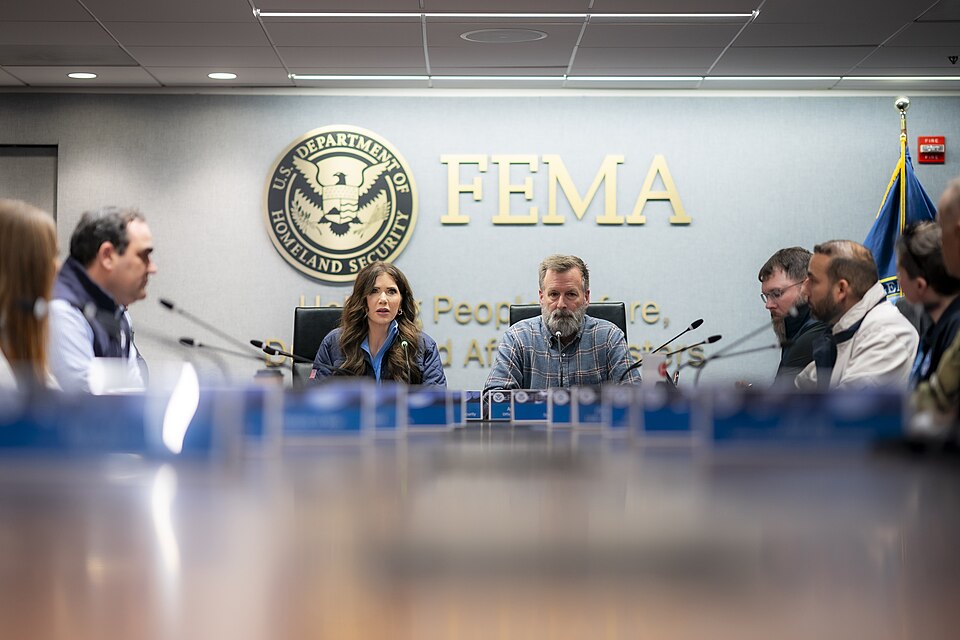
The Trump-appointed FEMA Review Council released a report Thursday, May 7, 2026, urging a sweeping overhaul that would shrink federal disaster roles and push more responsibility and money to states and territories.[1]
The report calls for replacing the FEMA brand with a leaner, less Washington-centered "transformed agency," changing disaster-eligibility from a per-capita cost formula to pre-set metric triggers, and sending direct payments to states, tribes and territories within 30 days of a disaster. It would limit federal housing aid to homes rendered uninhabitable, replace multiple housing programs with a one-time payment, and press to move most flood policies into the private market.[2] quotes council member Kevin Guthrie saying, "States, figure it out. Do what's best for you," while Homeland Security Secretary Markwayne Mullin said the report gives him "a clear direction" on reform.
The episode traces back to widespread criticism of FEMA after Hurricanes Helene and Milton struck the Southeast in late 2024 and to President Trump's repeated attacks on the agency during his campaign. Mr. Trump signed Executive Order 14180 on January 24, 2025, creating the 12-member review council that produced this report, and lawmakers introduced broader FEMA reforms in the FEMA Act of 2025 earlier last year.
The report renews calls to move policies out of the National Flood Insurance Program, which the council noted is more than $20 billion in debt, and to let private insurers play a larger role. The NFIP still provides about $1.3 trillion in coverage to roughly 4.7 million policyholders (as of October 2025). Reaction on social media split between calls for faster aid and warnings the plan amounts to a retreat of federal support.
The mainstream summary emphasizes the FEMA Review Council's call for a major overhaul but overlooks critical context regarding the increasing frequency and cost of climate-related disasters. According to Climate Central, the U.S. has experienced an average of 20.2 billion-dollar weather and climate disasters annually from 2016 to 2025, a stark contrast to just 3 per year in the 1980s. This dramatic rise underscores the urgency of effective federal disaster response, suggesting that the proposed shift toward state responsibility may not adequately address the escalating challenges posed by climate change.
Furthermore, while the mainstream account mentions the NFIP's significant debt, it does not delve into the implications of privatizing flood insurance. Social media perspectives, such as those from @DemandBetterNE, raise concerns that this shift could represent a substantial withdrawal of federal support, particularly disadvantaging states with fewer resources. This sentiment is echoed by critics who argue that such changes could exacerbate inequalities, leaving less capable state governments struggling to manage disaster response effectively. Thus, the mainstream summary presents a one-dimensional view of the proposed reforms without fully engaging with the potential consequences for state-level disaster management and equity among different states.
Show source details & analysis (3 sources)
📊 Relevant Data
The current FEMA statewide per capita impact indicator for major disaster declarations is $1.94, and the countywide indicator is $4.86.
Per Capita Impact Indicator and Project Thresholds — Federal Emergency Management Agency
The U.S. experienced an average of 3 billion-dollar weather and climate disasters per year in the 1980s, compared to an average of 20.2 per year from 2016 to 2025.
2025 in Review: U.S. Billion-Dollar Disasters — Climate Central
The National Flood Insurance Program provides approximately $1.3 trillion in flood insurance coverage to about 4.7 million policyholders across 23,000 communities.
NFIP by the Numbers: The Economic Ripple Effect of a Lapse — National Association of Realtors
📌 Key Facts
- The FEMA Review Council's report, released Thursday, May 7, 2026, says it is "time to close the chapter on FEMA" and recommends replacing the FEMA brand with a "transformed agency" featuring a leaner, less Washington-centered structure (FEMA Review Council's report).
- The report proposes changing federal disaster-eligibility decisions from a per-capita cost formula to a pre-defined set of metrics that would trigger federal support (the report).
- It recommends giving states, tribes, and territories direct payments within 30 days of a disaster, with potential follow-on payments, rather than reimbursing recovery costs after work is completed (states, tribes, and territories).
- For survivors, the council proposes limiting housing assistance to people whose homes are uninhabitable, replacing multiple rental, repair, and replacement programs with a one-time payment, shifting FEMA's role toward emergency (not long-term) housing, and allowing states to run their own housing programs under federal standards (housing assistance).
- Council member and Florida emergency management director Kevin Guthrie summarized the approach to states as, "States, figure it out. Do what's best for you." (Kevin Guthrie).
- Homeland Security Secretary Markwayne Mullin said the report gives him "a clear direction" on reforming an agency that is "in need of reform, but is still mission capable," and the White House has not yet indicated whether President Trump endorses the recommendations (Markwayne Mullin).
- The report renews calls to shift most flood insurance policies from the National Flood Insurance Program, which is over $20 billion in debt, to the private insurance market and to continue aligning premiums more closely with risk (National Flood Insurance Program).
📰 Source Timeline (3)
Follow how coverage of this story developed over time
- PBS segment on Thursday, May 7, 2026, details that the review council recommends states take the lead role in disaster assistance within their borders while FEMA formally shifts to a secondary, supporting role.
- The recommendations include creating new performance metrics for states, with those metrics potentially influencing how much federal disaster money each state receives.
- The council proposes streamlining direct individual assistance and narrowing FEMA’s role to emergency and temporary housing rather than longer-term housing support.
- Homeland Security Secretary Markwayne Mullin, in remarks during a recent trip to North Carolina (prior to May 7, 2026), emphasized that the president wants FEMA to stop being viewed as the first responder and instead as support to state and local responders.
- Former FEMA Administrator Deanne Criswell, interviewed in the segment, stresses that state and local governments have always formally had primary responsibility for disaster response and frames the core question as how to make that system work faster and with more state ownership over reimbursements.
- The FEMA Review Council's report explicitly states it is "time to close the chapter on FEMA" and recommends replacing the FEMA brand with a "transformed agency" featuring a leaner, less Washington-centered structure.
- The report proposes changing federal disaster-eligibility decisions from a per-capita cost formula to a pre-defined set of metrics that would trigger federal support.
- The council recommends giving states, tribes, and territories direct payments within 30 days of a disaster, with potential follow-on payments, instead of reimbursing recovery costs after work is completed.
- For survivors, the council proposes limiting housing assistance to people whose homes are uninhabitable and replacing multiple rental, repair, and replacement programs with a one-time payment, while shifting FEMA's focus to emergency rather than long-term housing and giving states the option to run their own housing programs under federal standards.
- Council member and Florida emergency management director Kevin Guthrie summarized the approach to states as "States, figure it out. Do what's best for you."
- Homeland Security Secretary Markwayne Mullin said the report gives him "a clear direction" on reforming an agency that is "in need of reform, but is still mission capable," and the White House has not yet indicated whether President Trump endorses the recommendations.
- The report renews calls to shift most flood insurance policies from the National Flood Insurance Program, which is over $20 billion in debt, to the private insurance market and to continue aligning premiums more closely with risk.