
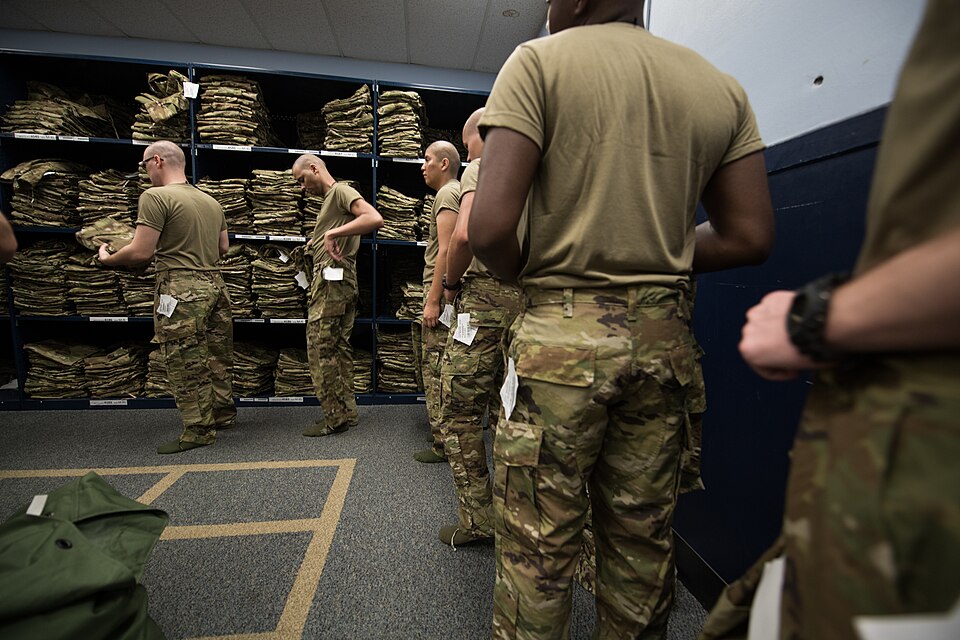
Pentagon To Withdraw 5,000 U.S. Troops From Germany Over Next Year
On Friday, May 1, 2026, Defense Secretary Pete Hegseth ordered the Pentagon to withdraw roughly 5,000 U.S. troops from Germany, a pullback scheduled to be completed within the next year.[1]
Pentagon spokesman Sean Parnell said the move will be carried out over six to 12 months and still leave more than 30,000 U.S. troops in Germany. German Defense Minister Boris Pistorius called the decision anticipated and linked it to Berlin's plan to raise defense spending above 3% of GDP.[1] said the alliance is working with the U.S. to understand details and urged more European defense spending, and President Trump said he is also weighing troop reductions in Italy and Spain.
The episode traces back to President Trump's long-running complaints about NATO burden-sharing and a June 2020 plan to pull about 12,000 troops from roughly 35,000 then stationed in Germany. President Joe Biden reversed that plan after taking office in 2021, and Russia's full-scale invasion of Ukraine in 2022 led the U.S. to boost forces in Europe as part of Operation Atlantic Resolve. As of December 2025 there were roughly 36,000 active-duty U.S. personnel in Germany, about 12,662 in Italy, and about 3,814 in Spain. Germany's military spending rose to 2.3% of GDP in 2025, and Berlin approved plans in April 2026 to reach 3.1% by 2027.
Reactions are split. Some voices online hailed the order as a prompt for Europe to fund its own defense and pursue strategic independence, while others warned it could deepen rifts within NATO and destabilize U.S.-European ties.
The decision to withdraw U.S. troops from Germany has sparked a range of reactions online, with some users like @cmlvngstn55 arguing that it signals a necessary shift for Germany to take greater responsibility for its own defense. This sentiment aligns with broader trends noted by political scientist Colin Dueck, who argues that a rise in isolationism within U.S. foreign policy is prompting a reevaluation of international alliances such as NATO. Meanwhile, critics like @adrosen65 warn that this move could signal the beginning of the end for NATO, interpreting it as a petulant response to ongoing geopolitical tensions, particularly regarding Iran.
As Germany prepares to increase its defense spending to over 3% of GDP by 2027, the implications of this troop withdrawal may extend beyond immediate military logistics. The Clingendael Report highlights that deteriorating transatlantic relations and the perceived unreliability of U.S. commitments are pushing Europe toward greater strategic autonomy. This evolving landscape suggests that the withdrawal could be both a catalyst for increased European defense capabilities and a potential source of friction within NATO, as member states grapple with the implications of reduced American military presence in Europe.
Show source details & analysis (1 source)
📊 Relevant Data
As of December 2025, there were approximately 36,000 active-duty U.S. military personnel stationed in Germany.
US Troop Presence by Country 2026 — World Population Review
As of December 2025, there were approximately 12,662 active-duty U.S. military personnel stationed in Italy.
Trump Threatens to Withdraw U.S. Troops From Italy and Spain — Time
As of December 2025, there were approximately 3,814 active-duty U.S. military personnel stationed in Spain.
Trump Threatens to Withdraw U.S. Troops From Italy and Spain — Time
In 2025, Germany's military expenditure reached 2.3% of GDP, up from 1.89% in 2024, with plans to exceed 3% by 2027.
Global military spending rise continues as European and Asian expenditures surge — SIPRI
In 2024, Italy's defense expenditure was 1.5% of GDP, projected to reach 2.01% in 2025; Spain's was 1.43% in 2024, projected to reach 2.0% in 2025.
📌 Key Facts
- On Friday, May 1, 2026, Defense Secretary Pete Hegseth ordered the withdrawal of roughly 5,000 U.S. troops from Germany.
- Pentagon spokesman Sean Parnell said on May 2 that the withdrawal will be completed over the next 6 to 12 months and will leave more than 30,000 U.S. troops in Germany.
- German Defense Minister Boris Pistorius described the move as anticipated and tied it to Germany's plan to raise defense spending to more than 3% of GDP by next year.
- President Trump told reporters Thursday, April 30, 2026, that he is also weighing troop reductions in Italy and Spain.
- NATO spokesperson Allison Hart said the alliance is working with the U.S. to understand the details and urged more European defense spending.
📰 Source Timeline (1)
Follow how coverage of this story developed over time