
Supreme Court Appears Skeptical Of Falun Gong Lawsuit Against Cisco
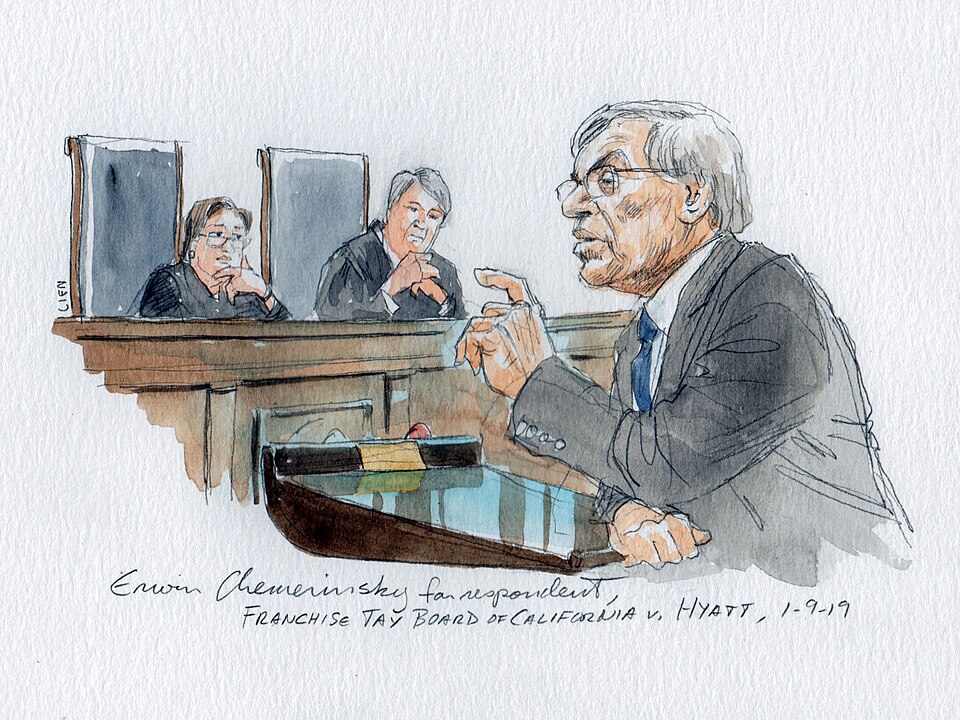
On Tuesday, April 28, 2026, the U.S. Supreme Court appeared skeptical that a lawsuit by Falun Gong practitioners accusing Cisco of aiding China's persecution can proceed, signaling possible dismissal at oral argument in Washington.
The New York Times reports that several justices, including multiple conservatives and at least one liberal, pressed whether U.S. courts should hear the case at all. They focused on whether the Alien Tort Statute and related laws permit suits over a U.S. company's sale and customization of networking technology used by a foreign government, and raised separation-of-powers and extraterritoriality concerns.
The episode traces back to a suit by Falun Gong plaintiffs who say Cisco tailored its so-called "Golden Shield" system to help Chinese security services identify, track, and apprehend practitioners. Cisco's lawyers told the court the company sold generic networking tools and did not control how Chinese authorities used them, and the case was heard at the high court after lower-court rulings and extended litigation, which PBS News covered as it unfolded.
Civil-liberties and human-rights groups filed friend-of-the-court briefs supporting the plaintiffs, while business associations backed Cisco and warned that allowing liability would expose U.S. firms to suits over foreign governments' abuses. The justices' line of questioning suggested the court may narrow or bar this route for human-rights claims, a decision that would shape future cases against American companies for conduct tied to foreign repression.
Show source details & analysis (2 sources)
📌 Key Facts
- During the Tuesday, April 28, 2026 (Central) oral argument, several justices on the Supreme Court, including multiple conservatives and at least one liberal, expressed skepticism that the Falun Gong suit against Cisco can proceed in U.S. courts.
- Justices centered much of their questioning on whether the Alien Tort Statute and related laws allow suits based on a U.S. company's sale and customization of networking technology used by a foreign government, suggesting the case could be dismissed on extraterritoriality or separation-of-powers grounds.
- Several justices warned that allowing the Falun Gong claim to proceed could open U.S. courts to a wave of human-rights lawsuits against American companies for abuses by foreign governments and would risk entangling courts in foreign policy.
- Plaintiffs' lawyers told the court that Cisco went beyond ordinary sales by tailoring its "Golden Shield" system to help Chinese security services identify, track and apprehend Falun Gong practitioners, while Cisco's counsel said the company sold generic networking tools and did not control how China used them.
- The case drew competing outside support: civil-liberties and human-rights groups filed friend-of-the-court briefs backing the plaintiffs, while business associations backed Cisco and warned that imposing liability would put U.S. firms at a disadvantage globally.
📰 Source Timeline (2)
Follow how coverage of this story developed over time
- During the April 28, 2026 argument, several justices, including multiple conservatives and at least one liberal, questioned whether U.S. courts should hear the Falun Gong suit against Cisco at all, signaling skepticism that the case can proceed.
- Justices focused heavily on whether the Alien Tort Statute and related laws permit suits over a U.S. company's sale and customization of networking technology used by a foreign government to persecute its citizens, suggesting the case might be dismissed on extraterritorial or separation-of-powers grounds.
- The questioning highlighted concern that allowing the Falun Gong case could open U.S. courts to a wave of human-rights lawsuits against American companies for foreign governments' abuses, which several justices said would entangle courts in foreign policy.
- Plaintiffs' lawyers argued that Cisco went beyond ordinary sales by tailoring its "Golden Shield" system to help Chinese security services identify, track, and apprehend Falun Gong practitioners, while Cisco's counsel insisted the firm sold generic networking tools and did not control how China used them.
- The article notes that civil-liberties and human-rights groups have filed friend-of-the-court briefs supporting the Falun Gong plaintiffs, while business associations back Cisco and warn that liability would disadvantage U.S. firms globally.