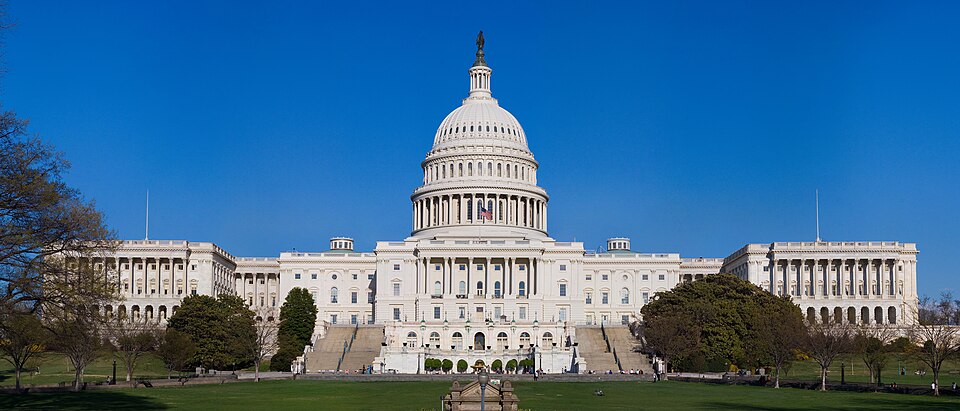
Speaker Johnson Floats New Three-Year FISA 702 Renewal Without Warrant Rule
House Speaker Mike Johnson this week unveiled a plan to reauthorize Section 702 of the Foreign Intelligence Surveillance Act for three years without adding a warrant requirement for searches of Americans' communications.
Johnson rolled out the proposal after two failed floor votes on competing measures and framed it as a way to avoid letting key surveillance authorities lapse in 2026. The plan would keep existing rules that allow warrantless collection of foreign-target data while continuing internal oversight changes enacted last year.
The episode traces back to Edward Snowden's 2013 disclosures that revealed how Section 702 can sweep up Americans' communications incidentally and sparked calls for reform. Reporting and inspector general reviews from 2021 to 2023 documented widespread FBI abuses, including hundreds of thousands of improper queries and tens of thousands of improper batch searches. Congress responded in 2024 with a two-year reauthorization and the Reforming Intelligence and Securing America Act, which increased oversight but did not add a warrant rule and set the program to expire in 2026. Since those reforms, FBI queries using U.S. person identifiers fell to 7,413 in 2025, up from 5,518 in the Dec. 2023-Nov. 2024 period but far below 57,094 in 2023, and compliance rates rose to about 98.66% from April 2024 to April 2025.
Narratives have shifted from demands for a warrant requirement to narrower fights over duration and safeguards. Privacy advocates and some Republicans pushed hard last year for a warrant rule, while supporters of the Johnson plan point to improved compliance and added checks. Online reactions show the divide: some critics accused Johnson of betrayal for blocking a warrant amendment, while others note a new carve-out requiring notification and consent for spying on members of Congress and a softened signal from former President Trump that could help pass the bill.
📊 Relevant Data
In calendar year 2025, the FBI conducted 7,413 queries using U.S. person identifiers on data collected under Section 702 of FISA, an increase from 5,518 in the December 2023–November 2024 period but a significant decrease from 57,094 in 2023.
Annual Statistical Transparency Report Regarding the Intelligence Community’s Use of National Security Surveillance Authorities Calendar Year 2025 — Office of the Director of National Intelligence
Prior to the Reforming Intelligence and Securing America Act (RISAA) enacted in 2024, the FBI engaged in widespread noncompliant querying of Section 702 data, including tens of thousands of improper batch queries between 2019 and 2021.
Unclassified PCLOB 702 Report 2026 — Privacy and Civil Liberties Oversight Board
Following RISAA reforms in 2024, the FBI's compliance rate for U.S. person queries under Section 702 reached 98.66% from April 2024 to April 2025, with no improper evidence-of-a-crime-only queries reported post-enactment.
Unclassified PCLOB 702 Report 2026 — Privacy and Civil Liberties Oversight Board
📌 Key Facts
- Speaker Mike Johnson's new bill would reauthorize FISA Section 702 surveillance authorities for three years.
- The proposal omits a warrant requirement for targeted reviews of Americans' incidentally collected communications.
- The bill adds monthly FBI explanations to an oversight official and criminal penalties for willful abuse of the database.
- Earlier House efforts to pass 18‑month and five‑year renewals failed in overnight votes this month.
- Section 702 is scheduled to expire on April 30, 2026, if Congress does not act.
📰 Source Timeline (1)
Follow how coverage of this story developed over time