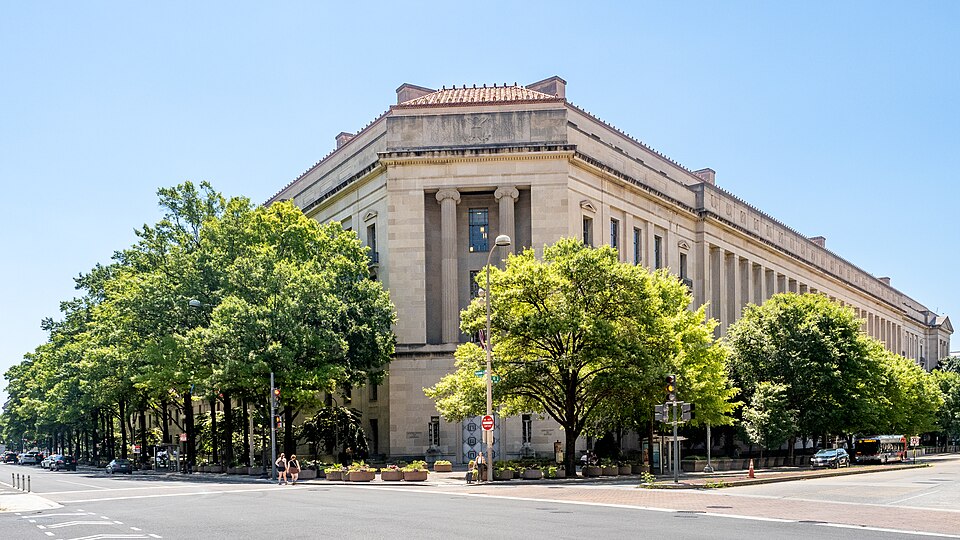
DOJ Charges Two Chinese Nationals Over Burma Crypto Scam Targeting Americans
Since at least the mid-2010s, fraudsters have shifted investment and romance scams into overseas call centers that prey on U.S. residents. They recruit multilingual staff in Southeast Asia, use social media and messaging apps to build trust, and push victims into cryptocurrency payments that are hard to trace or reverse.
Those operations expanded as cryptocurrency grew, because digital coins let scammers move and hide proceeds faster than banks. U.S. investigators and prosecutors responded by building long investigations that trace crypto flows, seize virtual assets where possible, and work with foreign authorities to identify call-center managers and their networks.
In recent years the Justice Department has stepped up prosecutions of transnational crypto fraud, filing charges against operators who never set foot in the U.S. These cases aim to disrupt the business model that combines offshore call centers, fake investment platforms, and crypto laundering to siphon money from American victims.
This week the Justice Department charged two Chinese nationals in connection with an alleged cryptocurrency scam center based in Burma that targeted Americans. The charges accuse them of running an overseas scheme that promoted fraudulent crypto investments to U.S. victims and moved proceeds through digital-asset channels, a pattern that reflects broader law enforcement efforts to chase perpetrators beyond U.S. borders.
📌 Key Facts
- DOJ charged Chinese nationals Huang Xingshan and Jiang Wen Jie with wire fraud conspiracy tied to a crypto scam compound in Burma.
- The Shunda compound allegedly trafficked and enslaved workers who were forced to defraud Americans via fake investment platforms.
- The Scam Center Strike Force has taken down more than 500 scam websites and restrained over $700 million in cryptocurrency from U.S. victims.
📰 Source Timeline (1)
Follow how coverage of this story developed over time