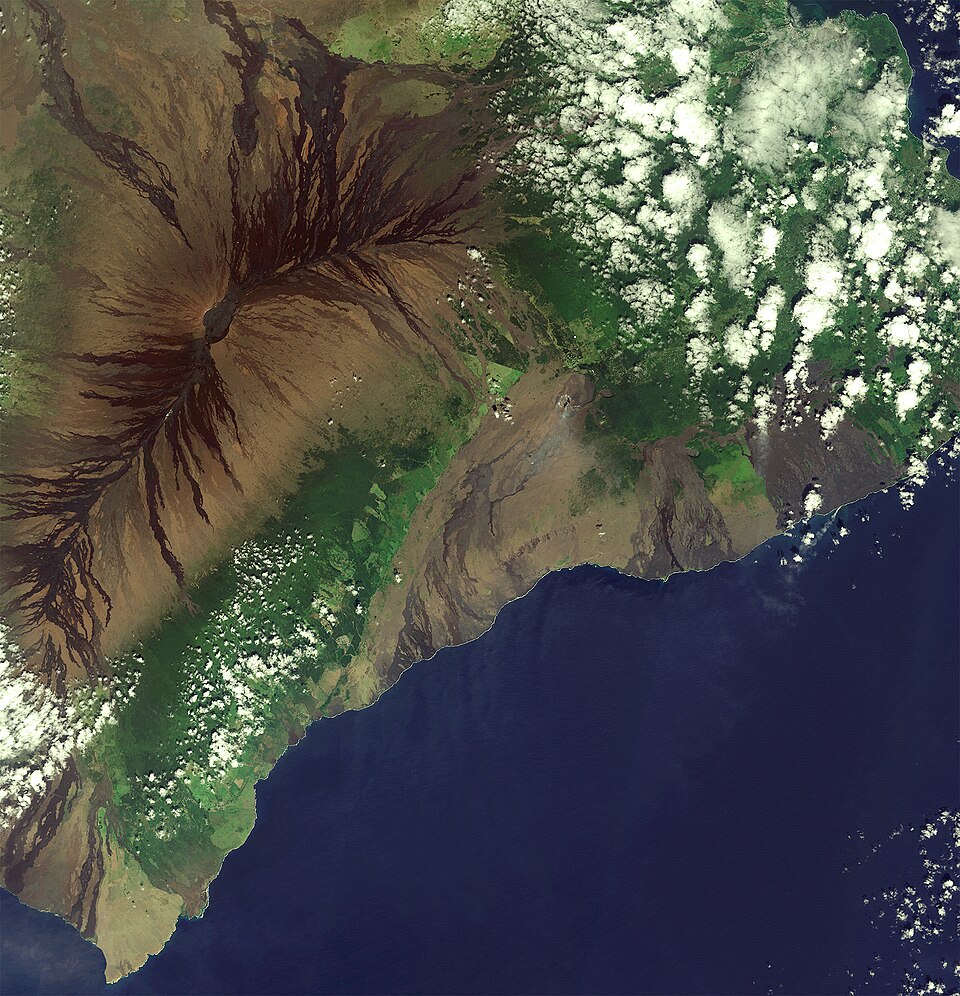
Kilauea Erupts Again With Lava Fountains Reaching 1,000 Feet
Kilauea sits above a hot spot beneath Hawaii's Big Island, and that steady magma source has made it one of the most frequently active volcanoes in the world. Its eruptions reshape the landscape and have repeatedly threatened communities and infrastructure. A major 2018 eruption in the lower Puna area destroyed homes and produced widespread lava flows, and summit activity since then has included a persistent lava lake that kept scientists on alert.
Before eruptions, Kilauea often shows increased earthquakes, ground inflation and stronger gas emissions. Those signs allow the U.S. Geological Survey's Hawaiian Volcano Observatory to raise alerts and warn residents, park managers and airlines in advance. That monitoring and local preparedness set the stage for the eruption reported today.
Today Kilauea erupted again in its summit area on Hawaii's Big Island, sending lava fountains as high as about 1,000 feet. The U.S. Geological Survey's Hawaiian Volcano Observatory observed the activity and posted updates as the fountains shot bright lava into the air. Residents and visitors filmed the event, and videos circulated widely on social media. There were no immediate reports of injuries or major structural collapses.
Lava fountains can produce airborne volcanic rock and ash, and gases can create volcanic haze that affects air quality and breathing. Roads, park areas and flights may face disruptions as officials assess hazards and monitor lava flows and gas plumes. Officials urge people to stay away from affected areas and to follow updates from local authorities and the Hawaiian Volcano Observatory.
📌 Key Facts
- Kilauea's latest eruption began around 1:30 a.m. local time Thursday, April 23, 2026
- Lava fountains from Kilauea's northern vents reached about 1,000 feet at their peak
- USGS issued a volcano watch and orange aviation alert, and the National Weather Service issued an ashfall advisory
- The eruption plume rose to at least 16,500 feet above ground level
- This is the 45th eruption episode at Kilauea in roughly the last 18 months, all confined to the Halemaʻumaʻu crater
📰 Source Timeline (1)
Follow how coverage of this story developed over time