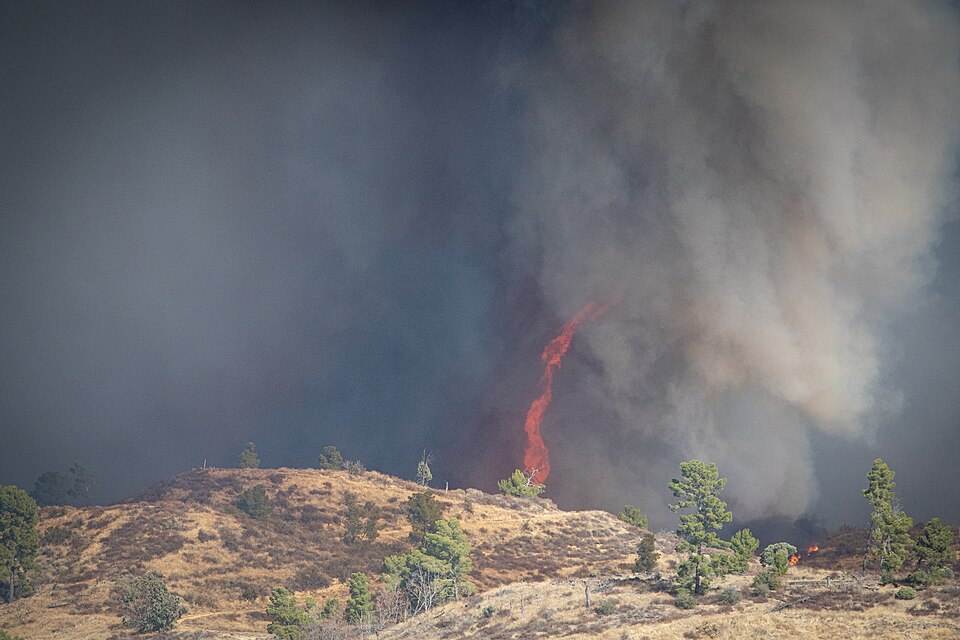
Georgia Wildfires Destroy About 50 Homes As Governor Declares Emergency
Georgia wildfires have destroyed about 50 homes and forced evacuations as the governor declares a state of emergency.
The blazes have scorched parts of southeastern Georgia and produced heavy smoke that reduced visibility and worsened air quality as far north as metro Atlanta. Governor Brian Kemp issued a burn ban covering 91 counties and included anti-price gouging provisions while mobilizing state and federal support, including FEMA. At least 800 people were evacuated in Brantley County and five shelters were opened to house displaced residents.
Damage counts have been concentrated in Brantley County, where officials reported 47 homes destroyed as part of nearly 50 lost statewide in early tallies. Later reporting updated that figure to about 50 homes destroyed statewide and warned roughly 1,000 more homes remain under threat from a 5,000-acre fire that was about 10% contained. Another blaze in Clinch County grew to about 16,500 acres, and officials said the state's two largest fires together had burned more than 31 square miles. Across the border, Florida was fighting about 131 fires burning roughly 34 square miles amid an 18-month drought, compounding smoke and air quality problems in the region.
Earlier coverage from outlets such as PBS and The New York Times emphasized the 47-home toll in Brantley County and nearly 50 homes lost statewide. Subsequent reports from CBS and its broadcasts broadened the picture with higher totals, wider acreage estimates, and new details on evacuations, containment and state emergency measures. Video segments shared on social platforms showed entire streets reduced to ashes and fiery orange skies, reinforcing reports that whole neighborhoods, not just scattered homes, were destroyed.
📌 Key Facts
- Governor Brian Kemp declared a state of emergency, issued a burn ban covering 91 Georgia counties (including anti–price-gouging provisions), and mobilized state agencies and FEMA to support the response.
- About 50 homes were destroyed statewide, with Brantley County accounting for roughly 47 of those losses.
- The Brantley County fire is roughly 5,000 acres and about 10% contained; the Pineland Road Fire in Clinch County is about 16,500 acres and 10% contained — combined reporting indicates tens of thousands of acres burning regionally (reports cite at least ~27,000 acres and the two largest fires exceeding 31 square miles).
- Hundreds of residents have been evacuated (at least 800 in Brantley County); five shelters have opened and hundreds to about 1,000 additional homes remain under threat, according to FEMA and local officials.
- Smoke from the fires has degraded air quality (unhealthy in parts of south Georgia), triggered air-quality alerts and highway disruptions, and caused heavy smoke and reduced visibility as far away as metro Atlanta.
- Florida is also battling a severe fire season — officials report 131 wildfires burning about 34 square miles amid an ~18-month drought, described as one of the worst in 30–40 years — increasing regional smoke and resource demands.
- Broadcast and on-the-ground footage show entire neighborhoods and residential streets reduced to ashes, indicating widespread structural loss and displacement in southeastern Georgia communities.
- Brantley County officials, the Georgia Forestry Association and Florida Agriculture Commissioner Wilton Simpson have provided public warnings and updates emphasizing the fires' severity and evolving threats.
📰 Source Timeline (6)
Follow how coverage of this story developed over time
- CBS Evening News segment reiterates that entire residential streets in Georgia have been reduced to ashes by the wildfires.
- It visually reinforces earlier reports of widespread structural loss and displacement in southeastern Georgia communities.
- Governor Brian Kemp has declared a state of emergency and issued a burn ban covering 91 Georgia counties, including anti–price gouging provisions.
- Brantley County officials now say about 50 homes have been destroyed and roughly 1,000 remain under threat from a 5,000-acre fire that is about 10% contained.
- The separate Pineland Road Fire in Clinch County has grown to about 16,500 acres with 10% containment, contributing to at least 27,000 acres burning across the region.
- Residents in metro Atlanta are reporting heavy smoke and reduced visibility tied to the southern Georgia fires, affecting air quality far from the fire lines.
- State agencies and FEMA resources are being mobilized under Kemp's order to support local fire response.
- CBS video report visually documents Southeast Georgia streets 'reduced to ashes' with fiery orange skies, reinforcing the scale of destruction in burned neighborhoods.
- Segment emphasizes that entire neighborhoods and streets, not just scattered structures, have been burned out by the wildfires.
- Forecast component from Rob Marciano signals continued fire weather concerns but does not add specific new acreage, home counts, or evacuation numbers beyond existing print reporting.
- Confirms that 47 homes were destroyed by the Brantley County fire, with nearly 50 homes lost statewide in Georgia.
- Reports that Georgia's two biggest wildfires have burned more than 31 square miles, with at least four additional smaller fires in the state.
- Details that at least 800 evacuations have taken place in Brantley County, five shelters have opened, and roughly 300 additional homes are threatened, per FEMA.
- Adds that Florida is battling 131 wildfires burning 34 square miles, mostly in the northern half of the state, during what officials call one of its worst fire seasons in 30 to 40 years.
- Notes that Florida has been in drought for 18 months across the state and that smoke has pushed air quality in parts of south Georgia into the unhealthy category.
- Provides new official quotes from Brantley County officials, the Georgia Forestry Association, and Florida Agriculture Commissioner Wilton Simpson on the severity and evolution of the fires.
- More precise location details inside Georgia about which towns and counties saw the worst damage.
- Updated counts or descriptions of homes destroyed and neighborhoods under evacuation orders.
- Additional context on smoke impacts, including air quality alerts and highway disruptions in Georgia.