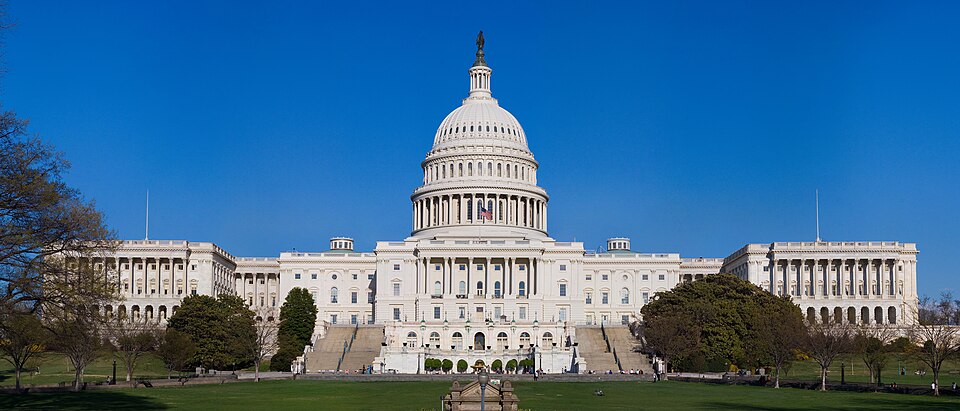
Health Secretary RFK Jr. Concludes Testy Hill Hearings On Trump HHS Budget Cuts
Health Secretary Robert F. Kennedy Jr. concluded a week of contentious congressional hearings this week over President Trump's proposed 2027 HHS budget cuts. Kennedy spent the week testifying before House and Senate panels in Washington to defend the administration's plan. The plan would cut HHS funding by more than 12 percent, including $15.8 billion overall and over $5 billion from the National Institutes of Health. Kennedy called the cuts painful but necessary to address what he said is a $39 trillion federal deficit. He repeatedly denied responsibility for falling childhood vaccination rates and recent measles outbreaks, instead blaming a COVID-era loss of trust. PBS noted he has also pivoted toward diet and "nutritious eating," sometimes making exaggerated claims about diet curing illnesses.
Senator Bill Cassidy emerged as a central figure in the hearings, chairing the Senate Health, Education, Labor and Pensions Committee and sitting on the Finance panel. Cassidy was the deciding vote to confirm Kennedy after vaccine-policy promises that critics say he later partly broke, and their relationship has since deteriorated. Political pressure is rising: an RFK Jr. ally's group led by Tony Lyons committed $1 million to support Cassidy's Trump-backed primary challenger, Representative Julia Letlow. Senators also pressed Kennedy on two administration nominees: surgeon general pick Dr. Casey Means, aligned with Kennedy's MAHA movement, and CDC director nominee Dr. Erica Schwartz, favored by traditional public health experts. If confirmed, Schwartz would be the first permanent CDC director since Dr. Susan Monarez, who was forced out after refusing to preemptively sign off on vaccine recommendations.
Coverage shifted over the week as reporting moved from an initial reformer narrative to greater emphasis on public health concerns and trust data. Early pieces, like MS NOW, highlighted Kennedy's seven hearings defending the budget and framed him as taking hard choices to rein in spending. Later reporting by PBS and others emphasized contradictions: Kennedy's denials about vaccination links, survey evidence showing continued declines in public trust, and disputed policy effects on outbreaks. That shift matters for readers who followed earlier coverage because it reframes the debate from fiscal reform toward potential health harms and political fallout.
Public reaction was sharp, with some lawmakers praising Kennedy's leadership while others accused him of grandstanding and making factually inconsistent claims. Surveys cited during hearings show trust in federal health agencies has fallen under his tenure, undermining his claim to be rebuilding confidence. Observers warned that Cassidy could pay an electoral price for bucking Kennedy, and social media debate amplified worries about vaccine policy and rising measles cases.
📌 Key Facts
- RFK Jr. completed the final of a seven‑hearing, multi‑day series of House and Senate budget and oversight hearings defending President Trump’s 2027 HHS budget request.
- Trump’s 2027 budget would cut more than 12% from HHS — about $15.8 billion overall — including more than $5 billion in reductions to the National Institutes of Health, while proposing increased defense spending.
- Kennedy testified before two Senate panels in one day (Senate Finance at 10:00 a.m. EDT and the Senate Health, Education, Labor and Pensions/HELP Committee at 2:00 p.m. EDT); HELP Chair Bill Cassidy chaired one committee and sat on the other, giving him two separate rounds of questioning.
- Cassidy, who supported Kennedy’s confirmation after receiving commitments on vaccine policy, has seen the relationship with Kennedy deteriorate amid vaccine disputes and political pressure from a Trump‑backed primary challenger, Rep. Julia Letlow; a group run by RFK Jr. ally Tony Lyons has committed $1 million to support Letlow.
- The Senate HELP Committee is set to consider two key HHS nominees: surgeon general pick Dr. Casey Means, closely aligned with Kennedy’s MAHA movement, and CDC director nominee Dr. Erica Schwartz, who is viewed more favorably by traditional public‑health experts; Schwartz would be the first permanent CDC director since Dr. Susan Monarez, who says she was forced out after refusing to preemptively sign off on vaccine recommendations.
- Kennedy repeatedly denied responsibility for falling childhood vaccination rates and recent measles outbreaks, blaming a COVID‑era loss of trust and saying such declines “have nothing to do” with him, even as he has attempted rollbacks of vaccine recommendations (partly blocked by litigation).
- Kennedy acknowledged the HHS cuts are “painful” but defended them as necessary to address a claimed $39 trillion federal deficit; surveys cited in reporting show public trust in federal health agencies has continued to decline during his tenure, contradicting his claim to be rebuilding trust.
- The administration has pivoted toward less controversial topics like nutrition and “nutritious eating” to steer away from vaccine fights; reporting also described Kennedy making exaggerated claims about diet curing ailments, at times yelling rebuttals and accusing Democrats of grandstanding at hearings — though some Republicans, including Sen. Tim Scott, credited him with helping manage a measles outbreak in South Carolina.
📊 Analysis & Commentary (1)
"A Wall Street Journal editorial criticizes the FDA's rejection of Replimune's RP1 melanoma therapy, rebukes HHS Secretary RFK Jr.'s testimony that distanced him from the decision, and argues oncologists and agency staff who favored approval were wrongly sidelined."
📰 Source Timeline (4)
Follow how coverage of this story developed over time
- Kennedy completed a multi-day series of House and Senate hearings defending a Trump 2027 budget that would cut more than 12% from HHS while boosting defense spending.
- He repeatedly denied responsibility for falling childhood vaccination rates and recent measles outbreaks, saying they have "nothing to do" with him and blaming COVID-era loss of trust instead.
- Kennedy acknowledged the HHS cuts are "painful" but called them necessary to address a claimed $39 trillion federal deficit.
- Surveys cited in the piece show public trust in federal health agencies has continued to decline during Kennedy's tenure, contradicting his claim he is rebuilding trust.
- Rep. Kim Schrier accused Kennedy's anti-vaccine history of causing a spillover effect into mothers skipping newborn vitamin K injections; he replied he had "never said anything about vitamin K."
- Republican Sen. Tim Scott credited Kennedy with helping South Carolina manage its measles outbreak, saying, "We would not be on the right side of this outbreak without your leadership."
- The article describes Kennedy's demeanor as at times screaming rebuttals and accusing Democrats of grandstanding, with some statements not aligning with established facts.
- The piece notes a broader administration pivot to less controversial health topics like nutrition and "nutritious eating" to steer away from vaccine fights.
- RFK Jr. is scheduled to testify Wednesday before the Senate Finance Committee at 10 a.m. EDT and the Senate Health Committee at 2 p.m. EDT on Trump's HHS budget request.
- Sen. Bill Cassidy will both chair one of the committees overseeing HHS and sit on the other, giving him two separate rounds of questioning with Kennedy in a single day.
- PBS details Cassidy's political cross-pressures: he is a physician who has strongly backed vaccines, he supported Kennedy's nomination in exchange for commitments on vaccines, and he now faces a Trump-backed primary challenger, Rep. Julia Letlow.
- The article notes Kennedy's attempted rollback of vaccine recommendations (partly blocked by litigation) and his recent rhetorical pivot toward diet and healthy eating, including exaggerated claims that diet alone can cure various ailments.
- Expert Claire Leavitt is quoted saying Cassidy has 'taken a risk' by showing resistance to RFK Jr. and may face an electoral price, underscoring the hearings' potential impact on his primary.
- Identifies the upcoming Senate Committee on Health, Education, Labor and Pensions hearing as the last of seven RFK Jr. budget and oversight hearings over the past week.
- Details that Trump’s 2027 budget proposal would cut $15.8 billion from HHS, including more than $5 billion from the National Institutes of Health.
- Reports that HELP Chair Bill Cassidy was the deciding vote to confirm Kennedy after vaccine‑policy promises he has since partly broken, and that their relationship has deteriorated over vaccines.
- Reveals that a group run by RFK Jr. ally Tony Lyons has committed $1 million to support Cassidy’s Trump‑backed primary challenger Rep. Julia Letlow.
- Explains that the Senate HELP Committee will soon decide the fate of two key health nominees: surgeon general pick Dr. Casey Means, closely aligned with Kennedy’s MAHA movement, and CDC director nominee Dr. Erica Schwartz, viewed more favorably by traditional public health experts.
- Notes that Schwartz would be the first permanent CDC director since Dr. Susan Monarez, who was forced out by Kennedy after refusing to preemptively sign off on vaccine recommendations, according to Monarez.