Supreme Court Weighs Telecom Challenge To FCC Fines Over Location Data
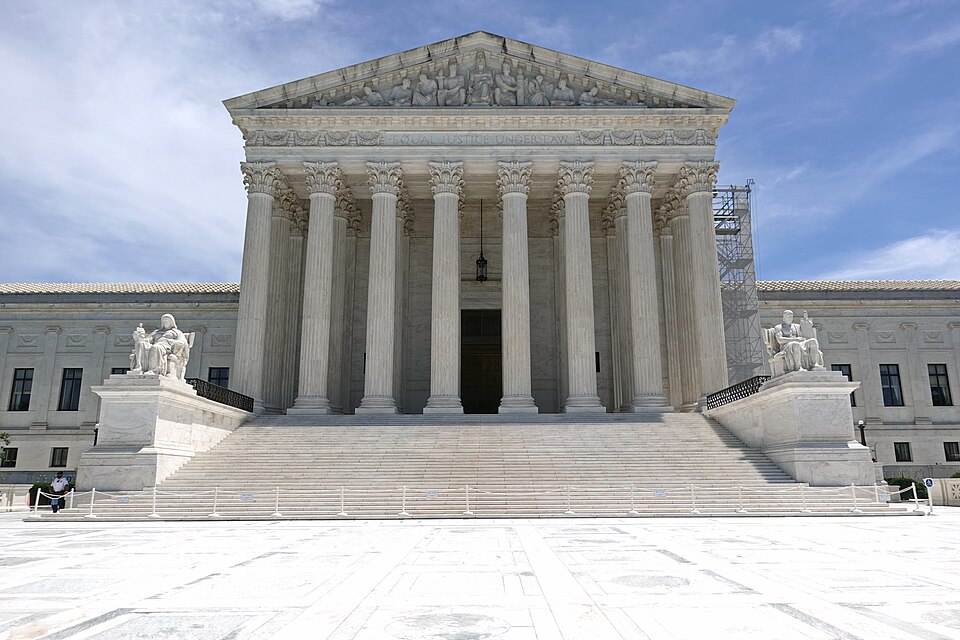
The Supreme Court this week weighed a telecommunications challenge to the Federal Communications Commission's authority to fine companies over location-data violations. The dispute involves major telecom firms arguing the FCC exceeded its power when it levied penalties tied to the sale or misuse of consumers' precise location information. Oral arguments were heard at the high court, where justices questioned the scope of the agency's enforcement reach.
Several justices sounded skeptical about sharply restricting the FCC's ability to impose fines, suggesting regulators may need broad authority to respond to privacy harms. That skepticism could signal reluctance to curtail the agency, though the court could still narrow enforcement rules in a way that limits future penalties.
A decision will shape how aggressively the FCC can police telecom business practices around location data and other consumer protections. Public reaction and social media commentary were not prominent in initial coverage, leaving the immediate debate centered on legal doctrine and agency authority rather than grassroots pressure.
📌 Key Facts
- Supreme Court heard oral arguments April 21, 2026, in a case brought by Verizon and AT&T against the FCC
- FCC imposed more than $100 million in penalties for allegedly selling customer location data without adequate safeguards
- Companies argue the FCC forfeiture process is unconstitutional because it limits their ability to get a full court hearing before paying
- Chief Justice John Roberts and other key justices appeared skeptical of significantly limiting agency fining powers
- Justice Brett Kavanaugh said companies had effectively won a point because the government agreed they need not pay immediately after a forfeiture notice
- A ruling could reshape how many federal agencies structure and collect civil penalties
📰 Source Timeline (1)
Follow how coverage of this story developed over time