U.S. Boarding Of Sanctioned Tanker Threatens Iran-To-China Shadow Oil Fleet
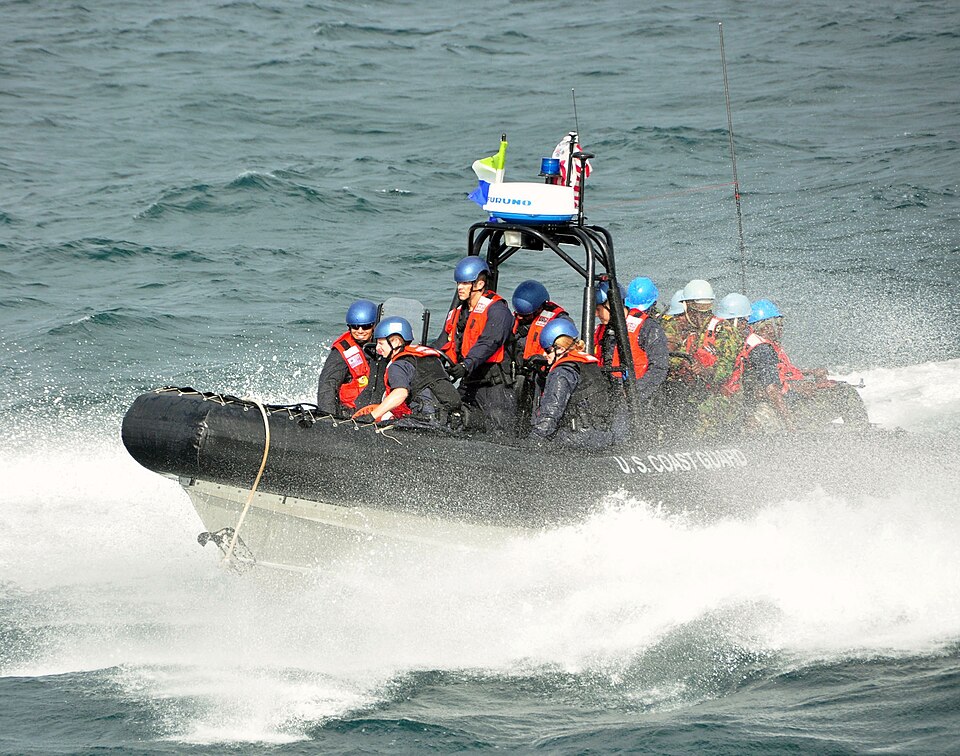
U.S. forces boarded a stateless, sanctioned oil tanker in the Indian Ocean this week, targeting a vessel tied to Iran-to-China oil shipments. The ship, identified as M/T Tifani, was boarded without incident in the U.S. Indo-Pacific Command area, with tracking placing it near Sri Lanka. U.S. officials said the operation aimed to enforce sanctions and disrupt routes moving Iranian crude toward China.
Open-source tracking and reporting show Tifani left Dongjiakou, China, took on cargo at Iran's Kharg Island, and plotted a course toward Indonesia's Riau archipelago then mainland China. U.S. and State Department disclosures say the tanker has sailed under multiple flags — Botswana, Cameroon, Tanzania, Palau and Panama — and has twice used ship-to-ship transfers with sanctioned Iranian tankers. Ukrainian military intelligence flagged repeated "dark" activity near Singapore, and reporting says the vessel switched off its automatic identification system in violation of International Maritime Organization rules for ships over 300 gross tonnes. The boarding came days after the seizure and disabling of the Iranian-flagged Touska, marking at least two Iran-linked interdictions in as many days and underscoring a China-linked oil route.
Reporting has shifted from treating interdictions as isolated enforcement actions to warning about a wider network. Earlier coverage focused on single ships and legal details. Newer reporting, led by The Wall Street Journal, frames the episodes as a threat to a larger Iran-to-China "shadow fleet" that uses aging tankers, opaque ownership and ship-to-ship transfers to evade sanctions. Fox News added tracking detail and flag histories tying individual vessels to China stops, increasing scrutiny on whether U.S. interdictions can disrupt the broader smuggling network.
📌 Key Facts
- U.S. forces boarded the M/T Tifani as a stateless crude-oil tanker in the U.S. Indo-Pacific Command area of responsibility; open-source tracking placed the vessel in the Indian Ocean roughly between Sri Lanka and Indonesia (near Sri Lanka) when intercepted.
- Tifani's recent route included departure from Dongjiakou, China, loading Iranian crude at Kharg Island, and an intended course toward Indonesia’s Riau Archipelago and then mainland China.
- The tanker has a history of sailing under multiple flags (Botswana, Cameroon, Tanzania, Palau and Panama) and, according to the State Department, has previously loaded Iranian oil via ship‑to‑ship transfers at least twice.
- Ukrainian military intelligence has flagged Tifani for repeated 'dark activity,' including turning off its AIS near Singapore — an action that violates IMO rules for ships over 300 gross tonnes.
- The Tifani interdiction was the second Iran‑linked boarding in as many days, coming after the seizure and disabling of the Iranian‑flagged Touska under the Hormuz blockade; both ships had recent stops in China, highlighting a China-linked sanctioned oil route.
- The Wall Street Journal describes Tifani as part of a sanctions‑evading 'shadow fleet' that has long moved Iranian oil to China using aging tankers, opaque ownership records and ship‑to‑ship transfers.
- News outlets report the U.S. boarding of Tifani raises the risk profile for the entire Iran‑to‑China shadow fleet, not just the single intercepted tanker.
📰 Source Timeline (3)
Follow how coverage of this story developed over time
- WSJ characterizes the boarded vessel as part of a sanctions‑evading 'shadow fleet' that has long moved Iranian oil to China using aging tankers, opaque ownership records, and ship‑to‑ship transfers.
- The article emphasizes that this specific U.S. boarding raises the risk profile for the entire Iranian‑to‑China shadow fleet, not just one tanker.
- It details that the boarded tanker has repeatedly shuttled between Iran and China before being intercepted in the Indian Ocean halfway between Sri Lanka and Indonesia.
- Confirms M/T Tifani was boarded as a stateless crude oil tanker in the U.S. Indo-Pacific Command area of responsibility, with open-source tracking placing it in the Indian Ocean near Sri Lanka.
- Details Tifani’s recent route: departure from Dongjiakou, China, loading at Iran’s Kharg Island terminal, and intended path toward Indonesia’s Riau Archipelago and then mainland China.
- States the vessel has historically sailed under multiple flags (Botswana, Cameroon, Tanzania, Palau, Panama) and has previously loaded Iranian oil in ship-to-ship transfers with sanctioned Iranian tankers at least twice, according to the State Department.
- Adds that Ukrainian military intelligence has flagged Tifani for repeated “dark activity” near Singapore, turning off its AIS in violation of International Maritime Organization rules for ships over 300 gross tonnes.
- Explicitly links the Tifani interdiction as the second Iran-linked boarding in as many days, following the seizure and disabling of the Iranian-flagged Touska under the Hormuz blockade, and notes both ships had recent stops in China, underscoring a China-linked sanctioned oil route.